


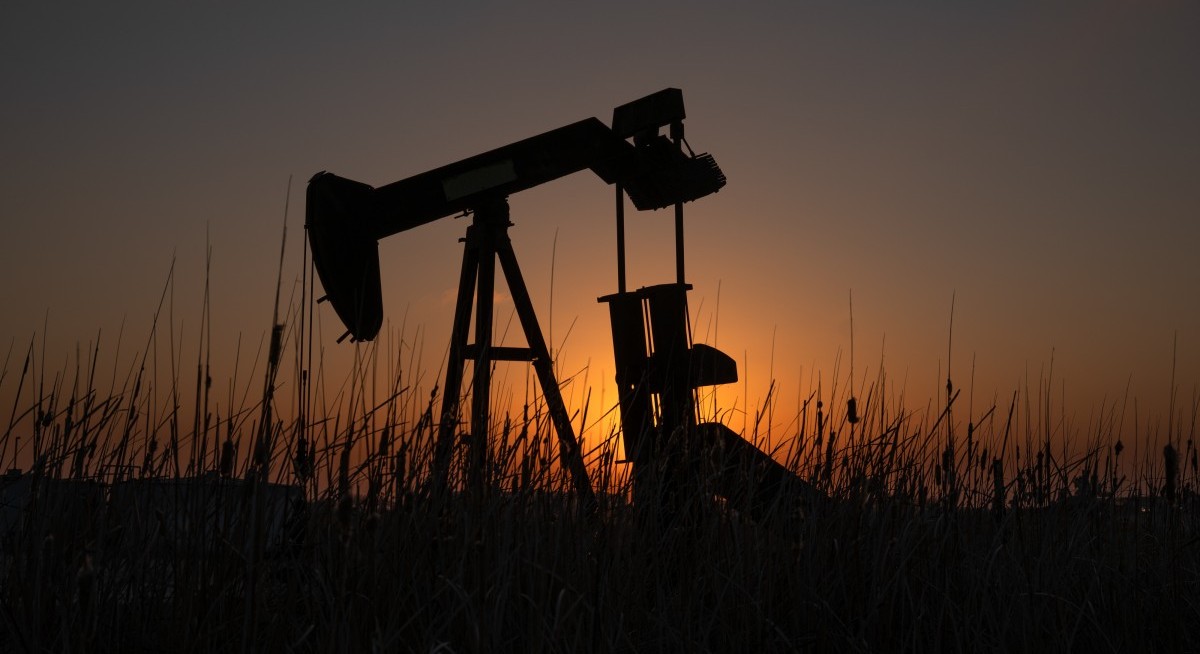


(March 18): Oil dropped as Iraq signed a deal to resume exports via Türkiye that avoid the Strait of Hormuz, and as the US stepped up efforts to force the reopening of the key waterway.
Brent fell below US$101 a barrel, after adding more than 3% on Tuesday, while West Texas Intermediate was near US$93. Iraq agreed with Kurdistan to resume oil exports through a pipeline in the semi-autonomous region that goes to Türkiye’s Mediterranean port of Ceyhan.
The US said it had used penetrator munitions to hit Iranian anti-ship cruise missile sites near the Strait of Hormuz, the vital passage that President Donald Trump has been seeking to reopen. There was a further escalation in the war after Iran confirmed the death of Ali Larijani, secretary of Iran’s Supreme National Security Council and a key pillar of the country’s wartime leadership.
“The Larijani killing is a big deal, and may make Iran more desperate to disrupt oil flows,” said Aaron Stein, president of the Foreign Policy Research Institute. “Trump is obviously being pressured to escort tankers — so we’re in for the possibility of very tense US operations in ways I’m certain the Navy would like to avoid.”
The rerouting of Iraqi oil through Türkiye will only partially relieve supply concerns. The Opec member’s production has fallen to about 1.4 million barrels a day — about a third of levels before the closure of Hormuz.
Brent crude has rallied almost 70% this year, with the bulk of that surge following the initial US and Israeli attack against Iran late last month. With Tehran striking energy assets and choking off tanker traffic, the conflict has pushed up energy prices and spawned concerns about faster inflation.
See also: Ukraine says it accepted EU mission to restore Druzhba oil flows
The surge in prices — with US diesel costs topping US$5 a gallon this week at the pump — will be scrutinised by central bankers around the world as they steer monetary policy. US Federal Reserve officials gather Wednesday to set interest rates, although no change is expected.
The oil market’s focus remains firmly on the chokepoint, which is effectively closed. Traffic conditions are now shaped by a political calculus, with Iran likely allowing just a handful of vessels to transit based on their affiliations, while deterring or blocking most others.
“With no end in sight to hostilities, shut-ins rising on a daily basis, and the Strait technically closed, we remain of the view that Brent is set to remain in a new, higher US$95-to-US$110 range,” said Robert Rennie, head of commodity research at Westpac Banking Corp. “Were we to see a major refinery plant hit or confirmation of additional mining of the strait, we would expect that range to extend higher by another US$10-US$20,” he added.
See also: UAE gas field hit, key oil hub halts as energy attacks intensify
Prices:
- Brent for May settlement fell 2.4% to US$100.93 a barrel at 12.43pm in Singapore
- WTI for April delivery slid 3.4% to US$92.97 a barrel
- The more active May contract declined 3.4% to US$92.31 a barrel
Uploaded by Chng Shear Lane




