




Thai Beverage Pcl, as well as the alcohol businesses of Boon Rawd Brewery Co — the nation’s largest beer maker — and Carabao Group Pcl are good prospects for new listings, Kitipong said.
Thailand is home to some major brewers, but it has no listed alcohol beverage makers since ThaiBev aborted its domestic initial public offering (IPO) in 2005. Protests by thousands of activists and Buddhist monks pushed the country’s largest whiskey and liquor maker, founded by billionaire Charoen Sirivadhanabhakdi, to debut in Singapore instead. That led the president of the Thai bourse then to resign for losing what would have been the country’s biggest IPO.
Opponents to ThaiBev’s local IPO said it would violate the principles of Buddhism and other religions in a country where over 90% of the more than 70 million people are Buddhists.

See also: Syngenta hiring banks for potential Hong Kong IPO, Bloomberg reports
The social environment has probably changed, said Kitipong, declining to address the risk of renewed protest.
Thai authorities in December began allowing the sale of alcoholic beverages between 2pm and 5pm as part of a pilot programme that could be extended beyond mid-2026. Restriction on afternoon sale has been in place since 1972.
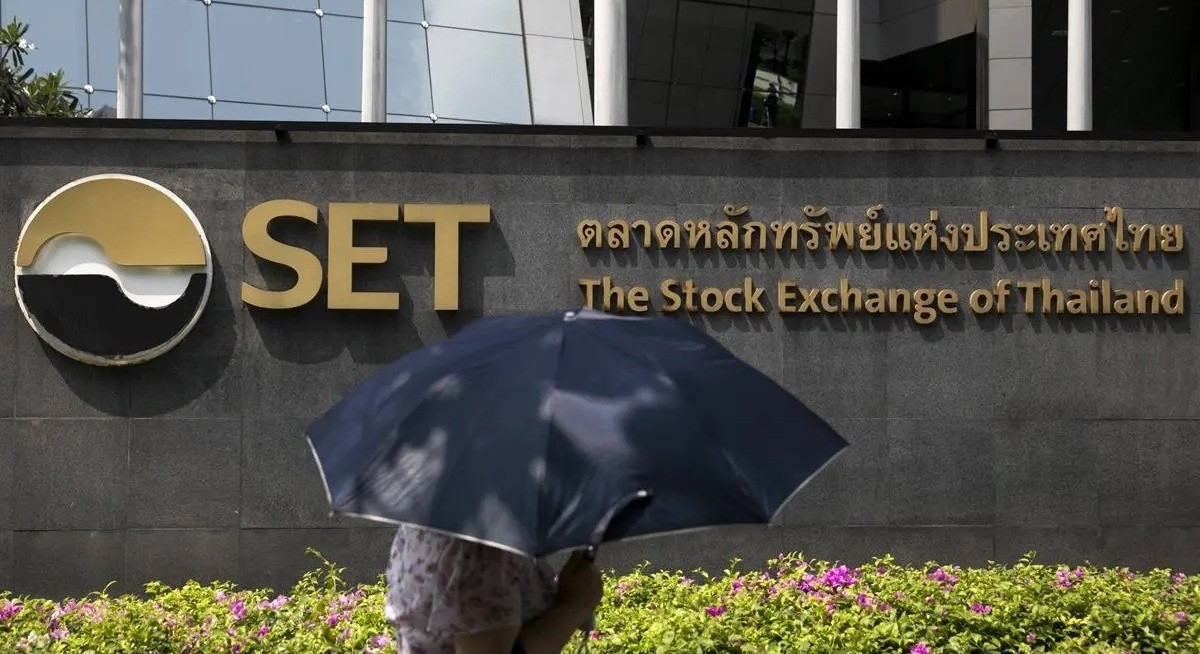
The Thai bourse has been grappling with a growing number of local firms opting to list on regional exchanges in search of higher valuations and stronger demand. Cryptocurrency exchange operator Bitkub is considering a stock listing in Hong Kong, reversing its plan in Thailand, while Thai coconut-water maker IFBH Ltd in June made its stock debut in Hong Kong.
See also: GIC-backed Thai start-up weighs IPO in Hong Kong or New York
The benchmark stock index’s status as Asia’s worst performer in 2025, along with rising political risks ahead of planned February elections, also dampened investor interest. Its beleaguered IPO scene is likely to remain subdued in 2026 after capping its worst year for new share sales since 2010.
“Foreign investors have expressed their frustration with scarcity of good and attractive companies in our stock market,” said Kitipong.
The bourse may also allow listings with dual-class share structures to attract IPOs from family-owned businesses, he said. The arrangement would allow founders to have greater voting powers, easing concerns about losing majority control after listing.
Uploaded by Tham Yek Lee




