


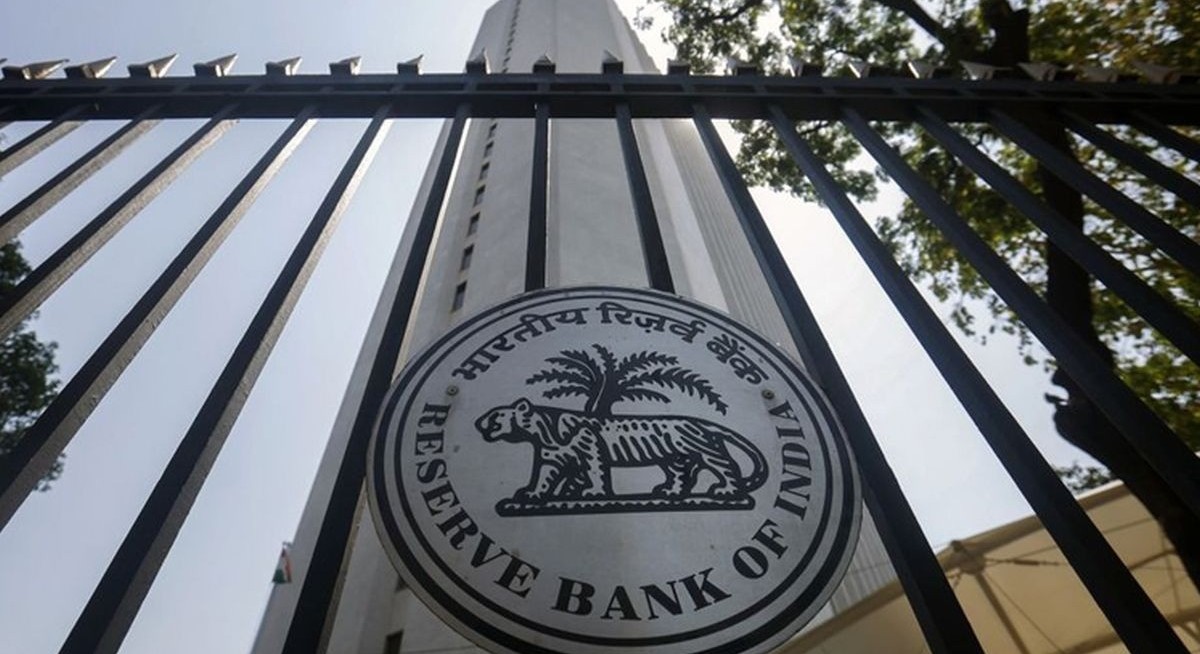


(Feb 6): The Reserve Bank of India (RBI) kept its benchmark interest rate unchanged on Friday, signalling an end to its easing cycle as the economy gets a boost from higher government spending and a surprise US trade deal to lower tariffs.
The central bank’s six-member Monetary Policy Committee (MPC) voted unanimously to keep the repurchase rate at 5.25%, in line with expectations of most economists in a Bloomberg survey. The policy stance was retained at neutral.
Speaking to reporters after the policy announcement, governor Sanjay Malhotra said the stance suggests rates are likely to remain at current levels over the next nine to 12 months. “Whether it goes down any further, I will leave to the MPC,” he said.
The decision reflects a wait-and-see approach at the central bank, with recent developments giving policymakers more breathing room. US President Donald Trump’s announcement this week that Washington would cut tariffs on Indian goods to 18% from 50% has lifted optimism about the growth outlook in Asia’s third-largest economy. A senior government official after the US deal said the country could exceed its own growth forecast of as much as 7.2% for the coming fiscal year.
Higher spending announced in the budget this week has also helped support the rupee, giving the RBI greater flexibility to calibrate policy.

See also: Modi officials move to allay fears US deal is bad for India
“The successful completion of trade deals augur well for the economic outlook,” Malhotra said in his speech on Friday. Apart from the US, New Delhi has also signed a major trade deal with the European Union this year.
The rupee fell more than 0.6% during the central bank’s press conference. India’s government bonds extended losses as the central bank disappointed traders who were expecting fresh measures to boost banking system liquidity. Yields on the 10-year bond rose as much as six basis points to 6.70%.
“The RBI tone shows comfort on current policy setting with growth strengthening and inflation remaining benign,” said Gaura Sen Gupta, an Indian economist at IDFC First Bank Ltd. She now expects the MPC to remain on a “prolonged pause”.
See also: India rupee rallies, stocks jump as tariff deal boosts sentiment
Investors had been looking for the RBI to address concerns over the government’s record borrowing plan for the coming fiscal year. Malhotra sought to reassure markets later in the day, saying the budgeted net borrowing of 11.7 trillion rupees (US$129 billion or $164 billion) could be managed and that the government should be able to raise resources at reasonable costs.
He added that the central bank would remain “proactive” in managing system liquidity, noting that such operations could be conducted outside formal policy statements.
Projections deferred
The central bank has reduced interest rates by a cumulative 125 basis points since February last year, including a quarter-point cut in December, as inflation stayed well below its target of 4%. Malhotra estimated inflation will be 3.2% for the three months ending March 31, and likely exceed the target in the first two quarters of the next fiscal year, primarily due to increase in metal prices.
Malhotra said he will give full-year inflation and growth projections in April after the government publishes a new series for both data.
“The MPC will be guided by the evolving macroeconomic conditions and outlook based on the data from the new series in charting future economic activities,” he said.
Uploaded by Tham Yek Lee




