


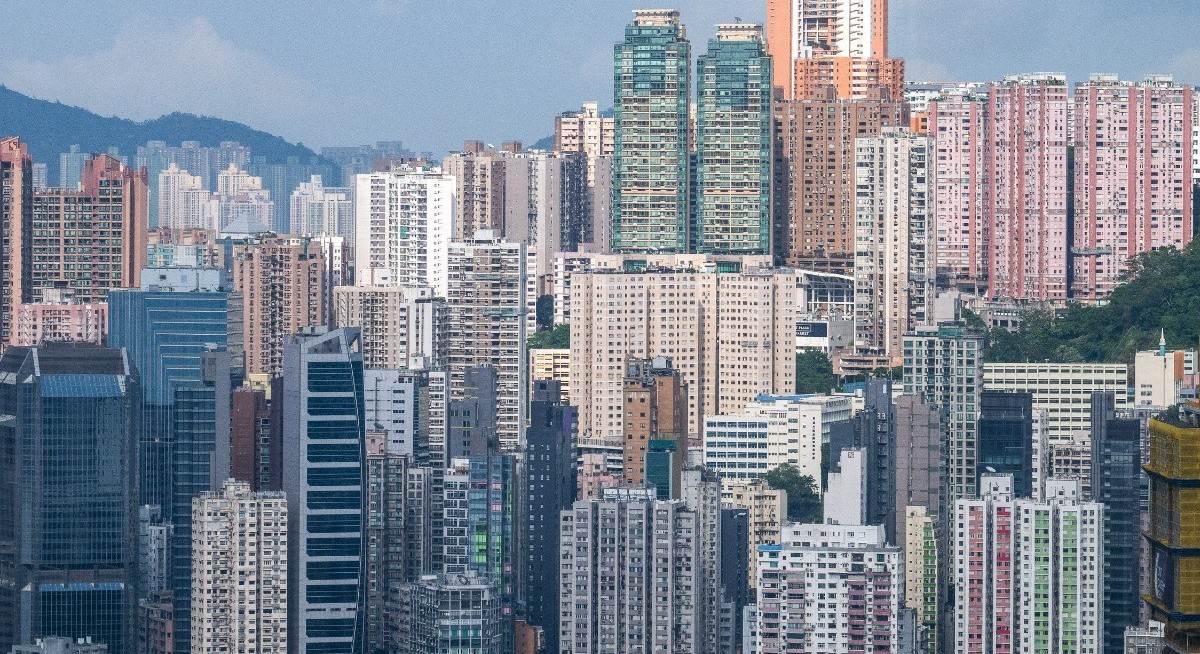


(Jan 30): Hong Kong’s beleaguered housing market is staging a comeback, the latest sign that the city is on the road to recovery following years of gloom.
Home prices rose 3.25% in 2025, the first annual increase in four years, government figures showed this week. Wall Street banks including Citigroup Inc and Morgan Stanley are predicting values will jump further this year, offering hope for the city’s debt-laden developers.
The revival adds to mounting evidence that things are looking up in the financial hub, underpinned by expectations for another blockbuster year of fundraising in the booming stock market. International firms are looking to open new branches in the city. Restaurants and hotels are seeing tourists returning for mega-events and shows, while the bar scene is winning acclaim.
Mainland Chinese homebuyers have spent a record amount in the city, helping builders to clear inventory. Interest-rate cuts are boosting mortgage demand. Rising rents are pushing residents to purchase homes. The stock market rally is spurring interest in luxury properties.
That is all giving relief to developers, even as they continue to struggle with a commercial real estate market that remains a weak spot in the city. Builders have in recent years been forced to offload residential projects at steep discounts and, in some cases, made last-minute pleas to their banks to extend debt.
“The worst for the residential market is over,” said Jeff Yau, a property analyst at DBS Group Holdings Ltd. “With improving supply and demand dynamics, residential developers are regaining pricing power.”
See also: Billionaire Cheng family agrees settlement with Giordano holders
In a sign of the changing mood, New World Development Co — which just a few months ago was mired in a make-or-break debt extension — has seen its stock jump more than 50% this year and its bonds rebound from distressed levels. A Bloomberg Intelligence gauge of Hong Kong developer valuations has climbed 59% from a year ago.
The favourable response to recent projects will help generate cash flow and cut debts for the developers, according to Yau.
Some top builders are already looking to hike prices for their existing projects. At Sun Hung Kai Properties Ltd’s Sierra Sea development, the latest phase of homes is being sold for an average of HK$11,649 (US$1,490 or $1,889.60) per square foot, about 12% higher than the price seen last April. Far East Consortium International Ltd’s executive director Jennifer Chiu said in December that there’s now room to lift prices at the Pavilia Forest, a joint venture with New World where units had been selling at a loss.
See also: Hong Kong economy grows most since 2021 as trade and IPOs surge

The Hong Kong Monetary Authority lowered interest rates three times last year, in line with the US Federal Reserve’s cuts, reducing loan payment pressures for builders and homebuyers.
“With the interest rate coming down, it’s beneficial to the developers,” said Joseph Tsang, chairman of JLL Hong Kong. “Because their loan payments will also go down, they don’t need to rush to sell with huge discounts, and that can help to stabilise overall asset prices in the market.”
Banks and property services firms are expecting growth in residential prices this year, with Morgan Stanley among the most bullish, projecting a 10% jump. Consultancies including Jones Lang LaSalle Inc and Cushman & Wakefield Ltd see increases within a 5% range.
Mainland demand
Buyers from mainland China have become a key force for clearing housing inventory in the financial hub, spending a record HK$138 billion in 2025, according to Midland Realty. They were most prominent in the luxury market, making up about 70% of buyers of properties valued at more than HK$50 million, the report showed.
The high-end sector has been heating up, with a flurry of sales by developers from Swire Properties Ltd to Henderson Land Development Co grabbing headlines since late last year.
To stay ahead of Singapore and the region’s corporate and economic trends, click here for Latest Section
There are reasons for caution, however. Hong Kong’s crucial place on the faultlines of competition between China and the US has occasionally caused headaches for bankers in the city. Slower rate cuts by the Fed, which would slow the pace of easing in Hong Kong, could also crimp the recovery.
There are limited catalysts for any major rebound in the property market in the near term in the absence of material improvements in China’s economy and relations with the US, Nomura Holdings Inc said in a December report.
Office glut
The recovery in the commercial real estate sector is also looking patchy. Investors are mostly focused on trophy assets in core business districts like Central and Causeway Bay, while office towers in other areas are struggling to find tenants. The vacancy rate for Grade A offices in the city edged up to 17.5% last year, and rent fell by about 5.8%, according to a report by Colliers International.
Cash-rich financial and tech firms are taking advantage of cheaper rents and lower asset prices to expand their offices in Hong Kong. Hedge funds including Point72 Asset Management, Jane Street Group and Qube Research & Technologies Ltd signed large office deals in recent months, while Chinese e-commerce companies like Alibaba Group Holding Ltd and JD.com Inc snapped up towers.
“We’ve received about 20 inquiries for Hong Kong office assets from mainland companies over the past two months,” said Charli Chan, deputy managing director of China capital markets at Cushman & Wakefield. She led the team to facilitate the office space acquisition by Alibaba and its Ant Group Co affiliate in October.
“Many of them are looking for space that can accommodate their business expansion in the next three to five years,” Chan said.
Commercial real estate transactions above HK$100 million rose more than 12% in 2025, the first increase since 2021, according to the Colliers report. Other than offices, student hostels were a rare bright spot attracting investors, after the government relaxed rules on converting commercial buildings into dormitories.

Commercial deals are mainly being supported by end users, while international funds remain largely on the sidelines. Banks have been tightening credit lines for such investors after seeing private equity firms struggle to repay loans or forfeit assets.
“Banks remain wary of lending to commercial real estate projects,” said Thomas Chak, head of capital markets & investment services at Colliers Hong Kong. “Lenders will take time to deal with their non-performing loans before they feel comfortable lending more again.”
Still, in a city where home prices are a barometer for economic health — and a crucial source of confidence — things are finally looking up.
Rising rents have also prompted homebuyers to expedite purchases. Residential rents hit a record high last year, thanks to a flood of migrants entering the city on the government’s talent programme. Hong Kong has seen more than 230,000 new arrivals via the scheme since 2023.
“Home ownership is increasingly attractive compared to renting,” said Mark Hahn, a general manager of sales at Henderson Land. “Falling deposit rates have also prompted investors to shift capital into real estate.”
Uploaded by Chng Shear Lane




