


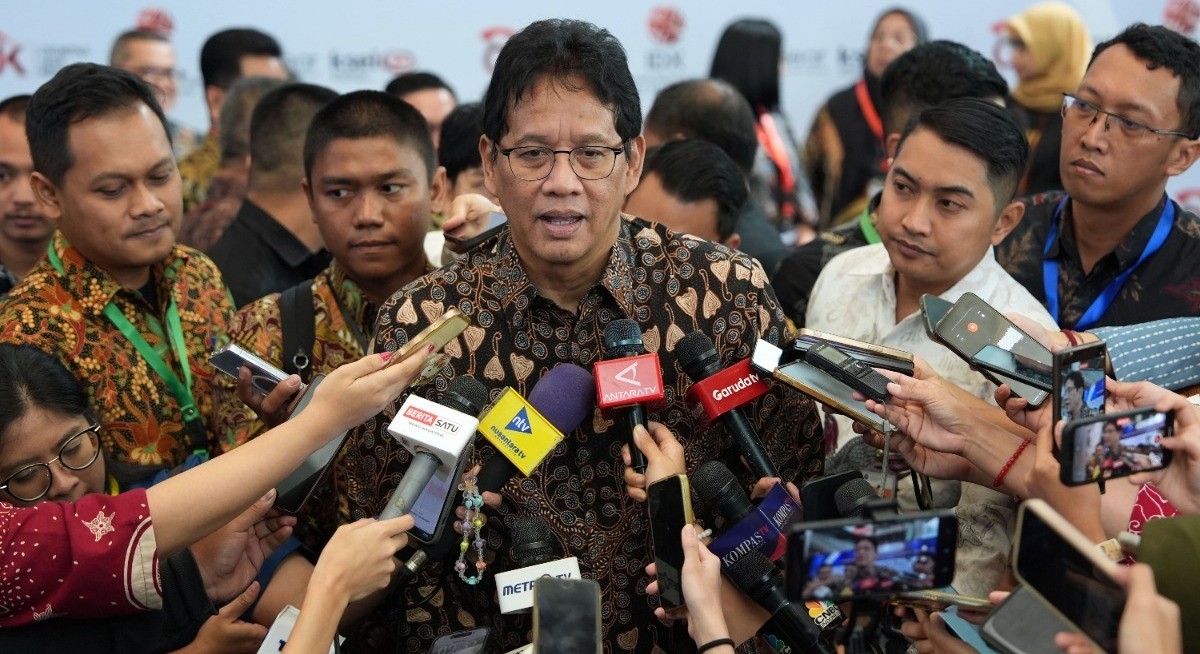


Purbaya said the deficit widened as the government sought to maintain spending “with the mission of keeping the economy expanding amid high global uncertainty,” while ensuring that the shortfall did not exceed the 3% limit, set in the aftermath of the 1997-1998 crisis.
The deficit underscores the mounting fiscal challenges facing Prabowo as he strives to boost growth with populist initiatives even as revenue dwindles due to a slowing economy. The metric is closely eyed by investors, mindful of the risks of fiscal slippage in a country that spent decades rebuilding its international credibility after receiving a bailout during the Asian financial crisis.
The rupiah held a small loss against the dollar after the budget data, while the benchmark 10-year government bond yield was unchanged. Stocks erased earlier gains.
The fiscal deterioration is likely to intensify scrutiny of Finance Minister Purbaya, who took office in September, as his early policy moves have yet to deliver a meaningful boost to growth or revenue. Last week, Purbaya pulled back about US$4.5 billion of the government’s cash deposits in state-owned banks, admitting that while the funds had eased short-term liquidity, his major initiative has so far done little to spur productive lending.
See also: ECB says Lagarde has not taken decision on term end after FT report
Purbaya succeeded the veteran Sri Mulyani Indrawati, whose fiscal probity made her an investor favourite. She was replaced in September after popular protests over the cost of living.
Uploaded by Magessan Varatharaja




