


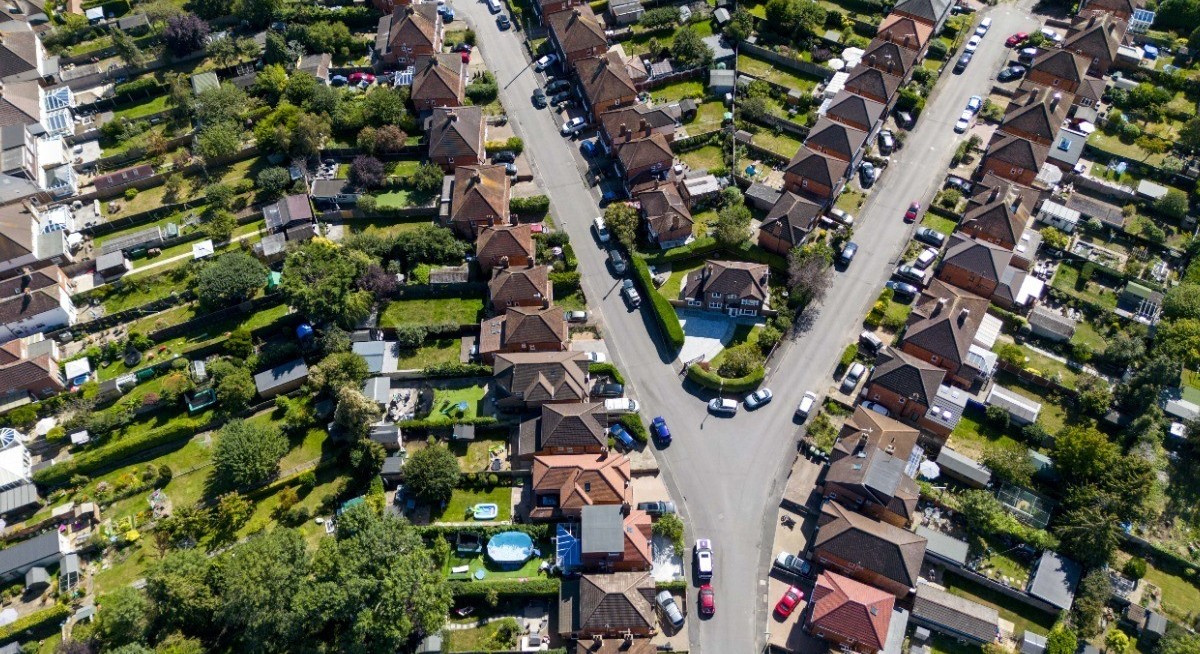


(March 26): Houses in England are at their most affordable in a decade, bringing some relief for homebuyers after strong wage growth coincided with a sluggish property market.
Property prices were 7.6 times average earnings in England in 2025, the lowest figure since 2015 and down from a peak of over nine in 2021, the Office for National Statistics said on Thursday.
Affordability in London, the most expensive part of the country with homes costing over £500,000 on average, has improved faster than any other region. Prices in the UK capital were 10.6 times earnings last year, down from 12.9 just after the pandemic.
However, the figures come as new research showed that the vast majority of aspiring homeowners would still struggle to scrape together enough for a deposit after years of rampant house-price inflation.

While almost half of 8.3 million potential first-time buyers would meet the income requirements for a mortgage, only 11% could meet the deposit needs, according to the Resolution Foundation. It found that home ownership among low- and middle-income families has dropped 17% since 2008.
See also: Philippines holds off ‘painful’ rate hike in surprise meeting
While property prices across the country have increased by 5% since 2021 during a patchy time for the housing market, median earnings are up 25% over the same period — helping to make affordability less stretched.
Still, values remain well above the “affordability threshold” of five, and pressures on prospective buyers are rising once again. Wage growth is cooling, while mortgage rates are rapidly rising in response to the war in Iran.
Bank of England deputy governor Sarah Breeden said on Thursday that scraping together a large enough deposit is the biggest hurdle for first-time buyers rather than the regulator’s restrictions on borrowing.
See also: Korea’s Lee urges less power use, driving to avoid energy crunch
“Large deposits [and] high house prices are the biggest barriers to home ownership,” Breeden said at a Resolution Foundation event.
She that more than half of the increase in deposits since 2000 has been due to higher house prices. However, Breeden also pointed to recent improvements in affordability and indebtedness for households.
“We haven’t seen anything like the sustained increase in house prices and mortgage debt relative to incomes that preceded the financial crisis and in the late 1980s,” she said. “House prices have risen, but without a matching rise in household indebtedness.”
Uploaded by Felyx Teoh




