


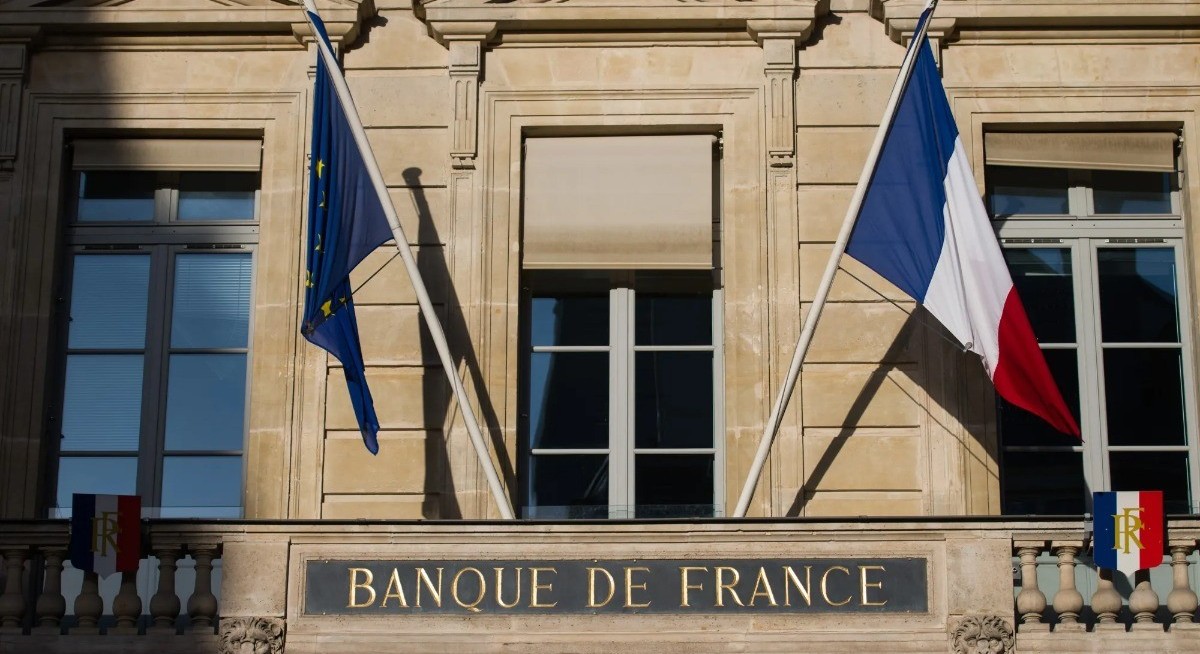


The improving outlook comes despite a shaky budget situation as divided lawmakers struggle to agree on how to rein in the currency bloc’s widest deficit. With time running out to adopt a fiscal plan for next year, France will probably have to rely on emergency legislation to avoid a shutdown.
The central bank has previously warned that uncertainty from an unstable political situation since snap elections in 2024 takes around 0.2 percentage point off economic growth.


See also: Japan to invest US$36 bil in US projects under Trump deal
However, recent indicators have shown business and manufacturing are weathering the upheaval surprisingly well. Statistics agency Insee this week forecast robust expansion through the first half of 2026, and said a budget compromise emerging in parliament could be supportive with fewer spending cuts and tax increases than in earlier plans.
Unlike Insee, the Bank of France didn’t develop a scenario for the outcome of budget negotiations. Instead, it based its projections on the initial bill presented by the government, which targeted a sharper decrease in the fiscal gap — to 4.7% of gross domestic product from 5.4% this year.
But the central bank said less fiscal belt tightening would not boost growth because uncertainty about public finances makes households and consumers more hesitant.
See also: Trump says Rubio in talks with Cuba as it faces economic crisis
The Bank of France trimmed its inflation forecast for this year to 0.9% from 1% and kept its 2026 projection unchanged at 1.3%. It revised down the 2027 prediction to 1.3% from 1.8%, taking into account a delay in European carbon pricing rules.
Uploaded by Liza Shireen Koshy




