


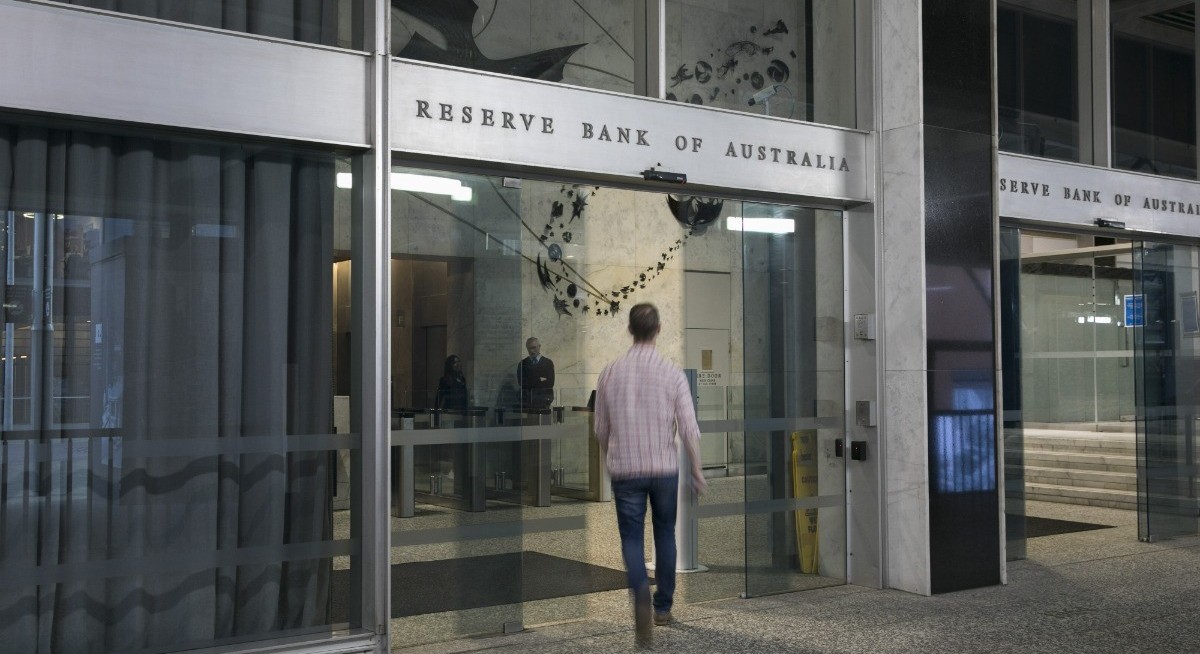


(March 19): Australia’s central bank said local households and firms are broadly well placed to cope with recent interest-rate increases and surging fuel prices from the escalating Middle East conflict, while highlighting the potential for an unexpected shock as a result of elevated international risk.
“The Australian financial system has a good degree of resilience though the risk of a more material adverse shock has increased over recent weeks,” the Reserve Bank said in its Financial Stability Review released in Sydney on Thursday.
“The strong financial positions of most Australian households and businesses mean that they are unlikely to be a source of instability,” the half-yearly review said. “Financing pressures will increase for some if inflation is higher for longer [than] currently forecast.”
In terms of global risks, the RBA highlighted four key areas:
- Potential for elevated geopolitical tensions to spill over into a severe international shock
- Potential for a sharp revision for the outlook of AI-related investments
- Potential for confidence in institutional arrangements to be undermined or regulatory divergence
- Potential for disruptive crystallisation of macro-financial vulnerabilities in China
The RBA this week delivered its second straight interest-rate increase as it tries to restrain resurgent inflation pressures that were gaining strength even before the US-Israeli attack on Iran. The resulting surge in oil prices as Iran struck energy-rich Gulf states and closed the Strait of Hormuz in response has exacerbated the threat of sharp price rises across the economy.
See also: Iran war poses risk of major economic downturn, President Tharman says
Still, the central bank said most Australians are in reasonable shape to absorb the fallout because of strong employment and housing markets, as well as pre-payments on home loans that have built up financial buffers.
The RBA added though that there’s “early evidence” that some forms of riskier lending have picked up.
“High loan-to-valuation ratio lending to first-home buyers” has increased alongside the expansion of the government’s 5% deposit scheme, it said, adding that liaison showed participation in the programme had been strong.
See also: Bentley to cut jobs as US tariffs and China slump hit carmaker
The central bank said a little over 1% of variable-rate owner-occupier borrowers were estimated to be experiencing a cashflow shortfall as of the end of 2025. The share of borrowers at greatest risk of falling behind on their loan — those with a cashflow shortfall and low prepayment buffers on their mortgages — is around 0.3%, it said.
The RBA said that while housing-related vulnerabilities are currently contained, credit growth has picked up. It also highlighted the ongoing issue of Australian households being among the most indebted in the developed world.
“It is important that lending standards remain prudent in the period ahead given the backdrop of high household indebtedness, recent strong growth in housing prices and credit,” the bank said. It pointed to liaison with banks that suggesting heightened competition for new lending.
Uploaded by Chng Shear Lane




