


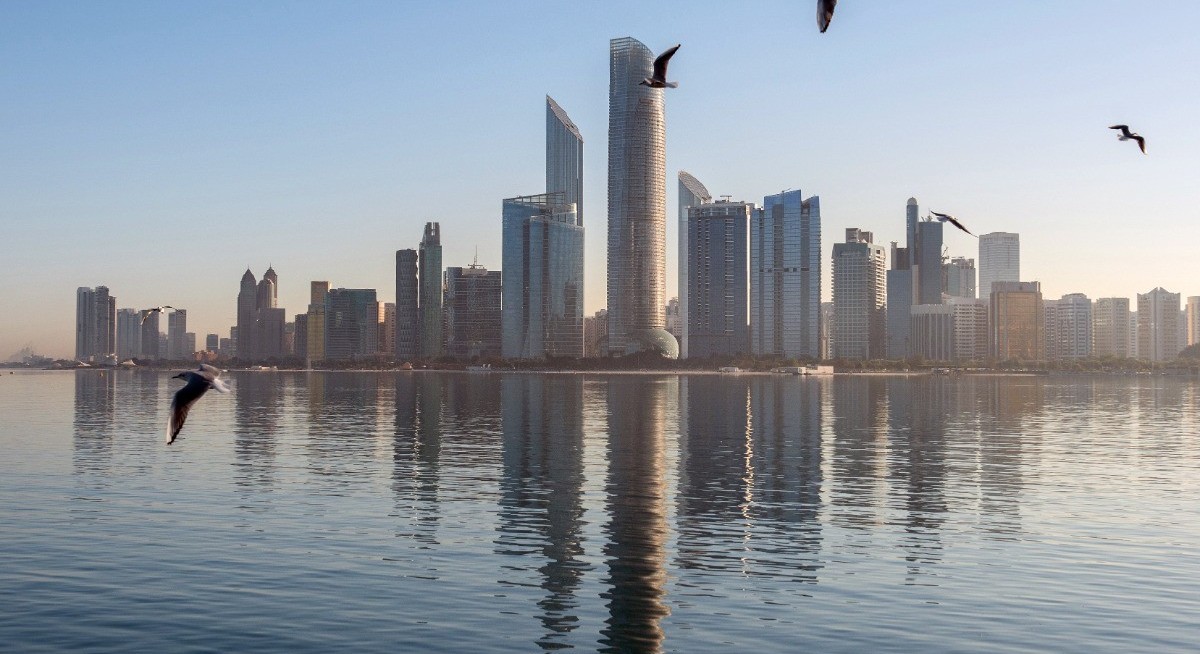


(April 2): The United Arab Emirates (UAE) called on the United Nations to authorise a range of measures, including force, to reopen the Strait of Hormuz as Persian Gulf countries pressure Iran to restore free passage along the vital global energy corridor.
In a letter dated on Tuesday and addressed to the UN Secretary General and the president of the Security Council, Mohamed Abushahab, the UAE’s ambassador to the UN, asked the council to take “immediate action” in order to “ensure the safe and secure navigation and navigational rights and freedoms in and around the Strait of Hormuz.”
The UN’s Chapter Seven — which the UAE cited in its letter — allows the Security Council to address threats to peace or acts of aggression by authorising the use of force or other measures, including economic blockades and severing diplomatic ties.
The resolution would not create a new UN mission. But UN approval could offer a measure of diplomatic support to Gulf nations if they decided to get involved in military operations or a naval task force to help free up the strait from Iranian control or police the waterway once the conflict is over.

On Thursday, the UK will chair a virtual meeting with foreign ministers from around 35 countries including the UAE, France, Germany, Italy, Canada and Japan to discuss a plan to restore freedom of navigation in the strait. The US is not due to attend.
See also: Asian nations jockey for leverage to re-open Strait of Hormuz
The countries convened by Britain will cover three tracks: diplomatic, economic and military, according to people familiar with the matter, who were granted anonymity discussing information that has not been made public.
The focus for now will be on the diplomatic track, coordinating efforts fronted by nations with channels into Tehran, the people said. Should that prove unsuccessful, the coalition would consider economic measures targeting Iran’s oil and shipping industries, they added.
The UAE and Saudi Arabia have considered joining the US and Israeli war as Iran continues to strike major energy facilities and keep the Strait of Hormuz closed, Bloomberg has previously reported. The strait’s effective closure as a result of Iranian threats has caused global oil and gas prices to soar, piling pressure on President Donald Trump to end the conflict.
See also: US escalation is the most likely scenario in Iran
“It’s very important for a lot of countries, even in this sort of very turbulent time, to at least have the sort of shield of UN authority for engaging in the use of force,” said Richard Gowan, an expert on the UN at the International Crisis Group.
So far, the UAE is the only Gulf Arab country that has said it will join a naval force to try to reopen Hormuz or provide escorts of commercial vessels.
Last month, the Security Council denounced Iran’s attacks on its Gulf neighbours and called on the Islamic Republic to halt strikes and to allow freedom of navigation in the Strait of Hormuz, through which roughly a fifth of the world’s oil and liquefied natural gas exports normally flow.
Bahrain, which is currently serving as a non-permanent member of the Security Council, is working on a new resolution to give a mandate to a naval task force to reopen the strait.
The UN Security Council uses Chapter Seven for a number of activities, including letting peacemakers use force to protect civilians, Gowan explained. But it is also a way for countries to deploy military force with the UN’s blessing.
Former US presidents have previously waited for UN authorisation under Chapter Seven before launching military actions, or alluded to the rule to justify combat operations.
Uploaded by Evelyn Chan




