




“While we remain confident in management, we believe the ongoing conflict in the Middle East, initially expected to be resolved quickly, may dampen investor expectations for funds-under-management (FUM) growth,” the JP Morgan report says.
The report has lowered its estimates for asset sales to $750 million for Keppel in the FY2026-FY2027 period compared to earlier estimates of $1.5 billion to $2 billion earlier. “The tougher macro backdrop may also slow fundraising, with interest from Middle East investors which accounted for around 15.5% of private fund capital raised in FY2023 to FY2025. The recent de-rating of asset management peers amid risk-off sentiment and private credit concerns may also weigh on Keppel,” JP Morgan suggests.
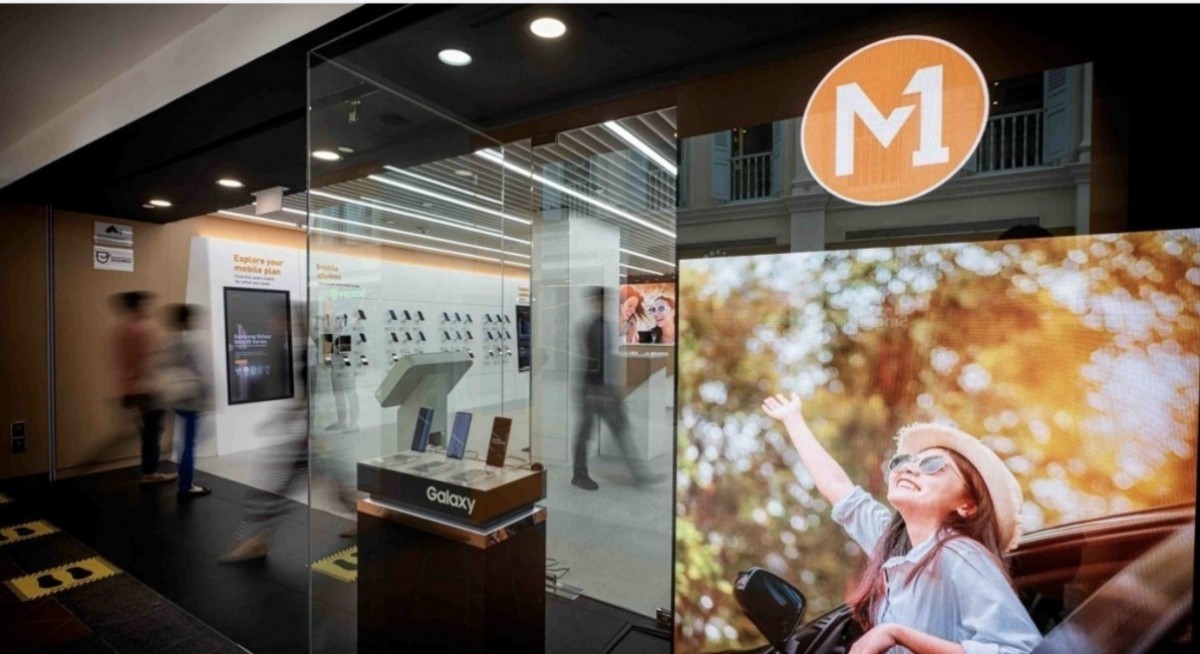
In addition, the M1-Simba approval delay may lead the market to ascribe a larger revalued NAV (RNAV) discount and could put the relatively generous consensus dividends per share (DPS) under pressure, given Keppel’s strategy to distribute 10-15% of divestment proceeds.
“A dividend yield above 4% has been a key pillar of the Keppel thesis. With the valuation gap to peers narrowing and elevated positioning, further multiple re-rating in the near term is limited,” the report adds.
See also: Keppel DC REIT is JP Morgan’s preferred data centre play in Singapore
In a one-year period Keppel has returned 86.8% as of March 26, compared to just 29.4% for the STI, JP Morgan points out, limiting upside. On the other hand, long-term contracts covering two-thirds of Keppel’s power generation should underpin earnings. “Upside risks include the $1.4 billion Keppel South Central sale and higher power spreads,” JP Morgan adds.




