


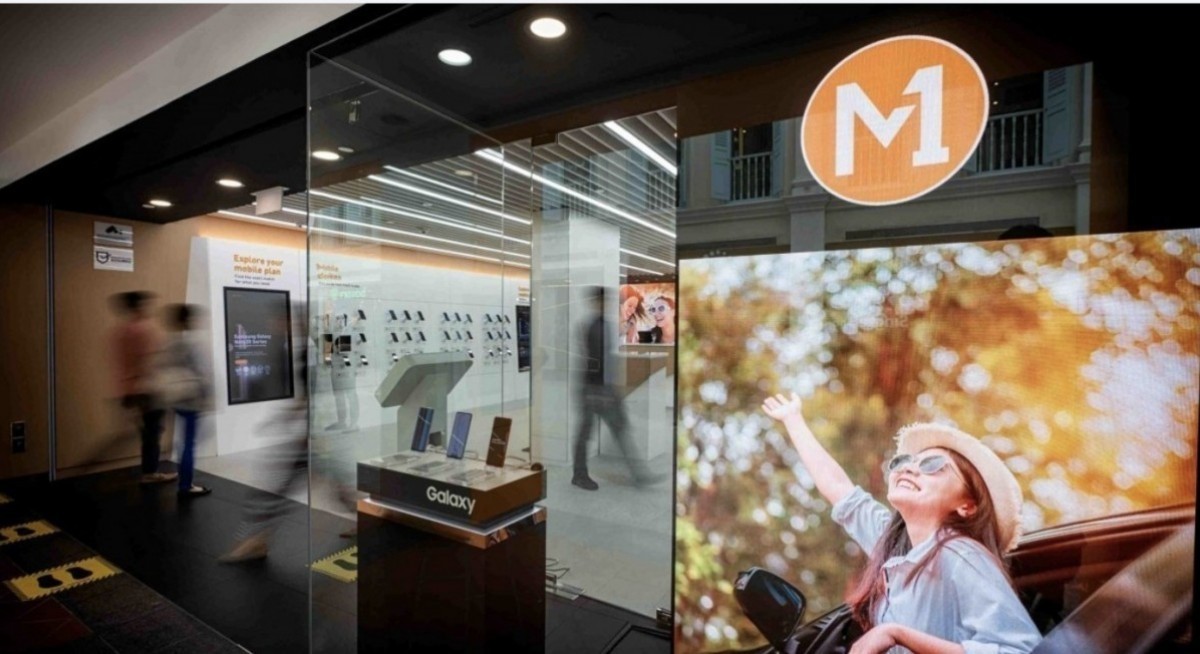


The Infocomm Media Development Authority (IMDA) is "weighing all matters in light of the industry consolidation and the critical national infrastructure involved," note the analysts.
To recap, Tuas, which owns Simba, is listed in Australia.
Lim and Kande, in their March 27 note, suggest that a possible issue is that M1 and Simba use different network vendors.
M1 operates an existing joint venture with StarHub, using Nokia's equipment, while Simba uses Huawei for certain portions of its network.
See also: Keppel DC REIT is JP Morgan’s preferred data centre play in Singapore
"Additionally, we think recent cyber-attacks on all 4 major telcos in Singapore likely necessitated heightened scrutiny by IMDA for network reliability and cyber security," state the analysts.
Even so, Lim and Kande think it is unlikely that the deal will be spiked.
They note that Tuas has already raised some A$430 million in proceeds through equity share issuance over Aug-Oct 2025 to partially fund the M1 acquisition.
See also: CGSI, citing subdued job market, maintains 'hold' call on HRnetGroup
"We believe there could be room for cost or acquisition price negotiations if Tuas is required to step up capex requirements for any infrastructure changes or for
more stringent cyber security measures," they add.
Drawing back from Keppel's comments at its FY2025 briefing, the company has guided that it would be disbursing 10-15% of the gross value of its asset monetisation completed over 2025-2030.
Lim and Kande figure that this could translate into a special dividend per share of between 5 and 11 cents for the M1 deal upon completion.
Citing Keppel's recurring income and dividend upside, they have kept their "add" call and $13.52 target price, which values the so-called "New Keppel" at 18x FY2027 earnings and its non-core assets at book value.
For them, re-rating catalysts include completion of M1 divestment and further asset monetisation.
On the other hand, downside risks: delays or unfavourable adjustments to deal terms to accommodate concerns raised by IMDA and slower pace of monetisation.




