




(June 23): The US issued a 60-day licence allowing Iran to sell oil on the international market, giving Tehran an economic lifeline as the two adversaries continued talks for a permanent peace deal.
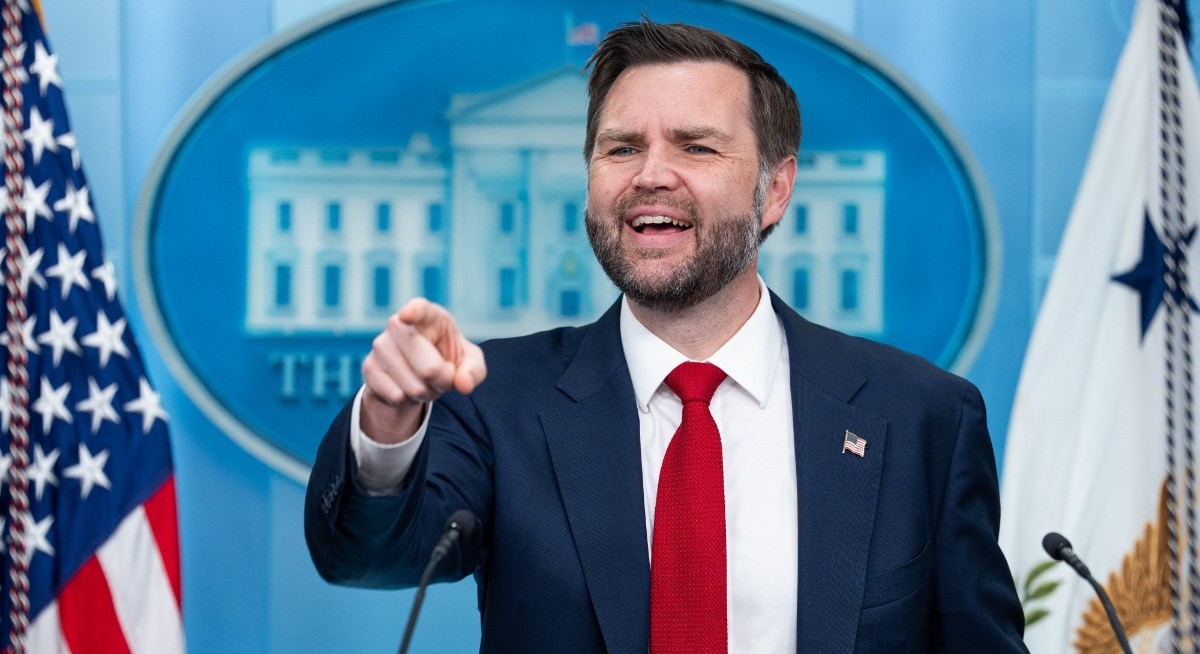
US Vice President JD Vance, attending the discussions in Switzerland, described the first round of negotiations as “very, very good” and said Iran had agreed to allow nuclear inspectors back into the country — a claim later backed up by US President Donald Trump. But Iranian officials, who also cited progress, challenged that claim, saying Vance’s assertion was “false and does not reflect reality”.
The discrepancy underscored the challenges that remain ahead as the two sides look to fulfill a memorandum of understanding (MOU) signed last week to halt their conflict and clear the way for a long-term deal. That agreement left key issues unresolved while also aiming to give Iran immediate financial benefit, a dynamic that drew fierce criticism from Trump’s Republican allies.
Hanging over the delicate discussions is the status of the Strait of Hormuz and the continued clashes in Lebanon, where Israel is waging a campaign against Iran-backed Hezbollah militants.
Iran hailed the waiver to allow energy sales after years of punitive sanctions and the promise of a reconstruction and development fund. Still, Tehran indicated it wouldn’t relent on using leverage over Hormuz if Israel continues fighting in Lebanon.
When asked by reporters on Monday about the sanctions waiver for Iran to sell oil, Trump appeared to conflate the issue with the potential future release of the country’s frozen funds held abroad. When pressed further about how he could ensure Tehran wouldn’t use oil profits to rebuild its military, the president said “they are not supposed to be doing that”.
See also: Iran cites ‘major progress’ after all-night talks with US
“They are supposed to use money to buy food for their people, because right now their people are very hungry,” Trump said at the White House.
Markets have been eager for any signs the US and Iran are making progress. Prices for global benchmark Brent crude largely held Monday’s losses to trade at around US$78 ($101) a barrel. Iran has ramped up oil exports in recent days thanks to the US lifting a naval blockade, stoking expectations that a supply glut could build in the near term.
The administration has countered criticism of the interim deal, insisting it would bring relief to Americans through lower energy prices and that safeguards would prevent Iran from developing nuclear weapons, a key Trump objective.
See also: Three Indian tankers reemerge, pointing to Hormuz traffic uptick
“Everybody is fully aware that Iran will agree to have major weapons inspections in order to ensure ‘nuclear honesty’ long into the future,” Trump said on Monday on social media.
The claims of a breakthrough on nuclear inspections face scepticism. Iran said earlier that no nuclear issues were discussed and it would engage with the International Atomic Energy Agency under existing procedures, state-run IRIB reported, citing a Foreign Ministry spokesman.
Vance also said Tehran would buy American soy, wheat and corn with unfrozen funds as part of the deal. There was no indication from the Iranians that they were ready to make those purchases, and the MOU Iran signed with the US last week states that the Iranian central bank will be able to designate the beneficiaries of unfrozen funds.
The fraught nature of the talks was evident, with the discussions almost derailed over the weekend after Trump made fresh threats and the Iranian delegation said they were prepared to walk out. Talks are set to continue this week at the Swiss resort of Bürgenstock. Vance was joined by Jared Kushner, Trump’s son-in-law, and Steve Witkoff, a special envoy. Lower-level delegates are set to remain to discuss technical matters, with Vance and Iran Parliament Speaker Mohammad Bagher Ghalibaf leaving.

Ghalibaf said on his return from the talks that the Strait of Hormuz would never return to its pre-war state and Iran would administer the waterway in accordance with international law, the state-run Islamic Republic News Agency reported.
Vance said negotiators had “set up the mechanism” to ensure the strait remains open. When speaking earlier to reporters, he did not answer directly when asked if the US wanted Israel to withdraw troops from southern Lebanon.
To stay ahead of Singapore and the region’s corporate and economic trends, click here for Latest Section
Israel’s ambassador to the United Nations, Danny Danon, told Bloomberg Television that “unfortunately, it’s not the case” when asked if the Lebanese military can confront the Hezbollah militia on its own. “We are capable of fighting Hezbollah, but we are not eager to stay in Lebanon,” Danon added.
Earlier on Monday, Iranian Foreign Minister Abbas Araghchi said mediators had managed to ease some of the tensions over Lebanon. He added Iran was beginning to see financial benefits from last week’s agreement. The US Treasury’s sanctions waivers for some Iranian oil and petroleum products were a condition of the MOU.
Mediators Pakistan and Qatar said Iran and the US agreed to establish a “high level committee” to oversee the talks and working groups dealing with nuclear issues and sanctions. There will also be a “de-confliction cell” to help ensure military operations in Lebanon end. Iran and the US also established a communication line to “avoid incidents” related to maritime traffic through Hormuz.
Trump has been under significant pressure to end the war as a surge in energy prices has accelerated inflation globally and dented his Republican Party’s popularity before the November elections. Israel and Iran hawks, though, say the MOU gives far too much financial relief without curbing Tehran’s ballistic missile programme or support for militant groups in the region.
Uploaded by Tham Yek Lee




