


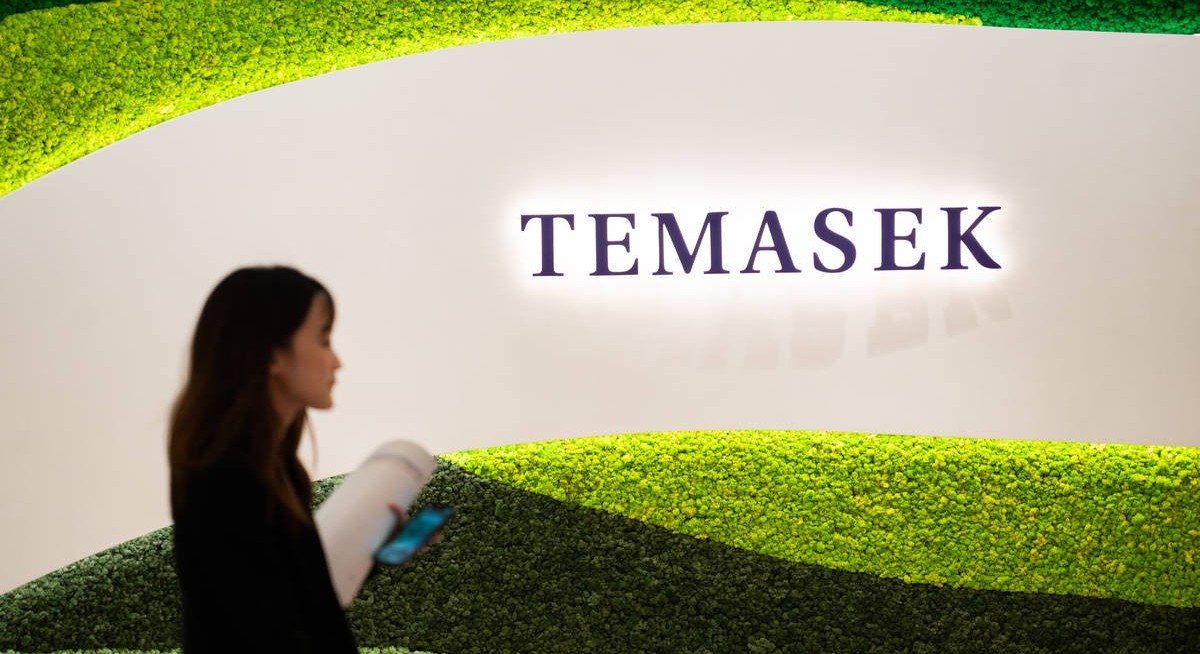


The unconnected moves could have major implications for the money available to the world’s biggest hedge funds. GIC is a significant source of capital for the sector. Temasek has traditionally made relatively few investments with such outside managers directly, preferring to deploy money via subsidiaries like Seviora Holdings Pte Ltd and investees like Avanda Investment Management Pte Ltd.
The shifts come after a strong 2025 for many of the world’s biggest hedge funds. A large number of Asian firms in particular did well as several of the region’s public markets recorded double-digit gains.
Betty Tay, GIC’s head of the external managers department, plans to retire from the role and eventually be replaced by Kwong Hong Huat, people familiar said. Formerly head of the Asia total returns public equities team, Kwong became the deputy director of the external managers department last month in preparation for the move.
“Organisational and leadership changes are part of GIC’s business planning process to ensure we remain well positioned for the future,” a GIC spokesperson said in an emailed statement confirming the moves.
See also: JPMorgan kicks off US$5.75 bil loan sale tied to EA buyout
Tay has spent more than two decades at the firm, having previously worked at Bankers Trust Co (Singapore) and DBS Group Holdings Ltd.
GIC doesn’t reveal how much it has under management, but consulting firm Global SWF estimates its assets were about US$936 billion ($1.19 trillion) as of March last year, around 1.5% of which was placed with hedge funds. The firm is hiring for at least four positions in its external managers department, from associate to vice-president levels, according to job postings on LinkedIn. It’s unclear how the leadership change at GIC will affect its hedge fund allocation strategy.
Temasek meanwhile is likely to increase the amount of money it places externally with hedge funds. Executives from the firm, which had a net portfolio value of $434 billion as of March, have been reaching out to global hedge funds, according to people familiar with the matter.
See also: AfDB mulls tool to unlock up to US$4 tril for African projects
“In addition to equities, we have been investing into alternative assets that diversify our exposure and provide a stable range of returns, strengthening the resilience of our portfolio,” Temasek chief investment officer Rohit Sipahimalani said in an emailed response to Bloomberg.
These assets include private credit and hybrid solutions, private equity funds, and other alternative or uncorrelated strategies such as multi‑strategy and macro hedge funds, he added.
Temasek last year said it was an investor in about 10 hedge funds including Citadel, the firm founded by billionaire Ken Griffin. It expected to generate double-digit returns from them.
The state investor is set to place its hedge fund allocations under a new Temasek Partnership Solutions unit from April as part of an overhaul. About 23% of Temasek’s net total portfolio was managed by external partners and fund managers as of March.
The shift comes amid a wide-ranging review of how Temasek invests and manages assets externally. That’s likely to be completed in the coming months and could potentially free up capital to invest elsewhere.
Over the years, the firm has created numerous spin-offs, subsidiaries and holding vehicles, several of which have overlapping mandates. These run the gamut from early-stage venture capital firm Vertex to alternatives investment firm SeaTown and investor Fullerton Fund Management.
Uploaded by Tham Yek Lee




