


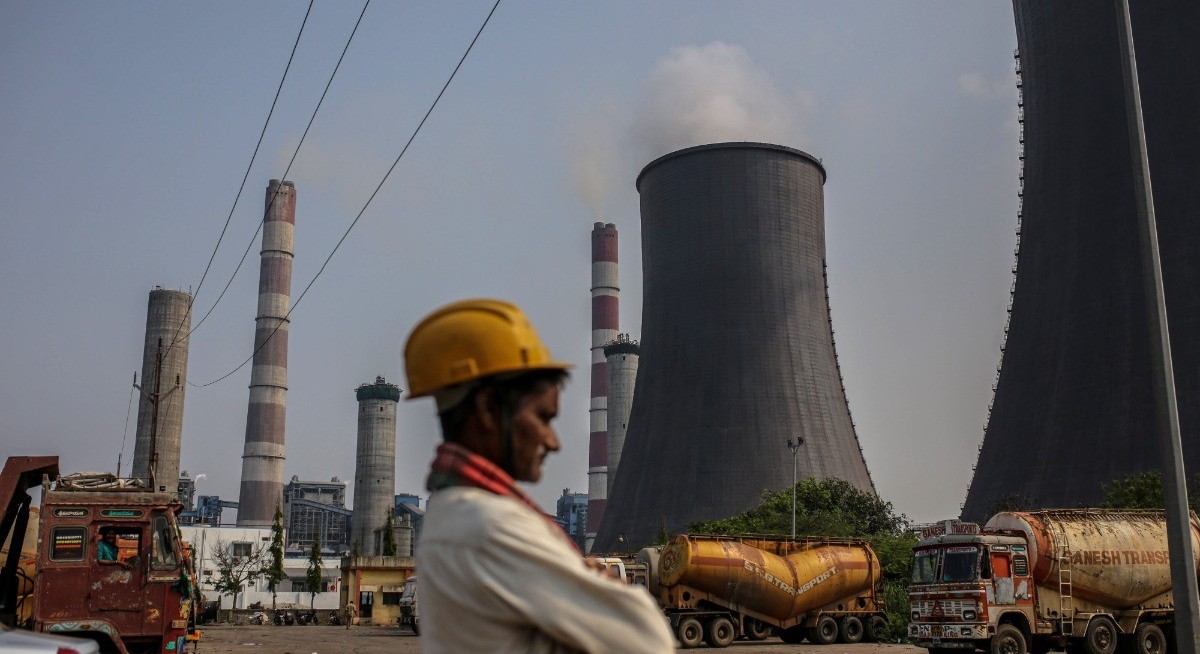


The additional costs would trickle down to consumers once approved by a price-setting regulator, in what would be a calculated trade off to help India make the most of its solar capacity.
After a decade of rapid expansion, India’s grid is struggling to absorb all the clean energy it generates. Without batteries and grid-scale storage to help manage those curtailments, the nation is falling back on its coal-fired fleet.
The latest plan, currently being elaborated by the power ministry, involves mandating plants to run at load factors as low as 40% — a level which would hurt efficiency and cause faster wear and tear, the people said. To help individual operations to cope, power producers are being asked to plan for software updates, for a 20% increase in maintenance expenses and for incentive payouts to plants, to increase participation.
A spokesperson for the power ministry did not immediately respond to an emailed request for comment.
See also: Sembcorp expands power supply agreement to Micron
India is not the first country to rely on flexible fossil-fuel power to integrate more renewables into the grid. In 2023, China agreed to compensate such plants for sitting idle, so it could increase the share of green electricity.
With gas plants dependent on imported fuel and hydropower heavily affected by seasonal variability, India has had to turn to coal to perform this role.
Uploaded by Felyx Teoh




