


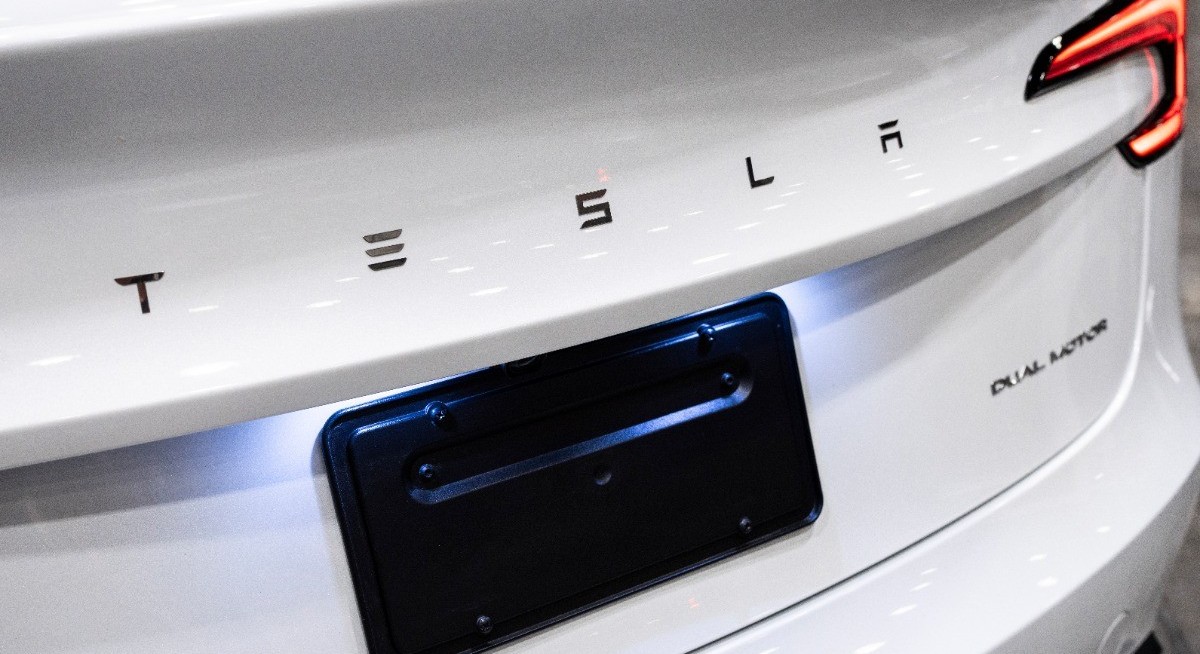


(Jan 19): Tesla Inc and brands controlled by Zhejiang Geely Holding Group Co will likely be the first beneficiaries of Canada’s move to slash import tariffs on made-in-China electric vehicles.
In a deal announced late last week, Canada agreed to allow 49,000 EVs from China annually at a tariff rate of 6.1%, removing a 100% duty, in exchange for a concession on canola. While the agreement is aimed at enticing long-term investment from Chinese automakers, at least initially the companies that stand to benefit will be manufacturers that already have North American certification.
That includes Tesla as well as the Geely-controlled brands Volvo Car AB and Polestar Automotive Holding UK plc, according to Bloomberg Intelligence analysts including Joanna Chen. Tesla had been a major importer of EVs, bringing more than 44,000 to Canada in 2023 — the last full year before the 100% tariff rate was imposed in 2024.
Still, other automakers are likely to follow swiftly as the government looks to cut red tape. As part of the deal, Transport Canada will certify new Chinese EVs within just eight weeks, according to a government official with knowledge of the agreement, who asked not to be identified.
A spokesperson for Geely said its brands will be affected differently but, overall, the change is a positive step. A representative for Polestar declined to comment. A spokesperson for Tesla didn’t immediately respond to an emailed request for comment.
Riding high
See also: Huawei and SP Mobility launch ultra-fast EV charging that can bypass grid limits
The deal with Canada adds to a buoyant month for the Chinese auto industry after the European Commission also paved the way for manufacturers to avoid its most punitive tariffs.
Those moves underscore growing divergence with US President Donald Trump’s increasingly disruptive trade policies that are upending long-time allegiances. It also has the potential to reshape the North American auto industry should Chinese firms establish a firm foothold in Canada.
At the top end of the market, the agreement has been welcomed by Geely-controlled sports car brand Lotus. Its Eletre sport utility vehicle, which starts at C$313,500, is one of the few luxury China-made EVs to have entered the region and the brand said in a statement it expects the selling price will drop by about 50% with the new tariff rate.
See also: BYD’s US$60 bil wipeout points to deeper turmoil for Chinese electric cars
Polestar, another big name in Chinese billionaire Li Shufu’s Geely empire, has been particularly hard hit by the US’s and then Canada’s imposition of hefty tariffs. In the wake of that decision, the company pivoted its focus to the Polestar 3, which is made in its factory in South Carolina, and the Polestar 4, produced in a contract manufacturing deal with a Geely and Renault SA joint venture in South Korea.
BYD Co, the world’s biggest EV maker, currently has negligible sales in Canada. But its mass-market offerings also stand to get a boost from the lower duties. As part of the trade deal, 50% of the import quota will be priced at C$35,000 or less by 2030 to give consumers lower-cost options.
Uploaded by Arion Yeow




