




It also paves the way for Tesla Inc and other automakers to export their Chinese-made vehicles to Canada.
But the government left unanswered the question of how the process would work. Officials are now discussing whether to give various Chinese manufacturers a specific allocation within the 49,000 vehicles — a quota within a quota — to ensure that no one player dominates.
The low-tariff quota came into effect in March, and a government notice said an initial allocation of 24,500 import permits would be available until Aug 31 on a “first-come, first-served” basis. But it also said the government will monitor the process “for the purpose of providing equitable access to the quota to eligible applicants”, without providing further details.
There’s still debate inside Carney’s government about what to do after Aug 31, according to officials who spoke to Bloomberg on condition they not be identified.
See also: BYD to send hot-selling SUV to Europe, pressuring incumbents
The 49,000-vehicle limit is a relatively small slice of the overall Canadian vehicle market — less than 3% of the number of new cars and trucks sold last year. As of this week, none of that quota has yet been used, according to a statement from Global Affairs Canada.
But there are signs that’s about to change.
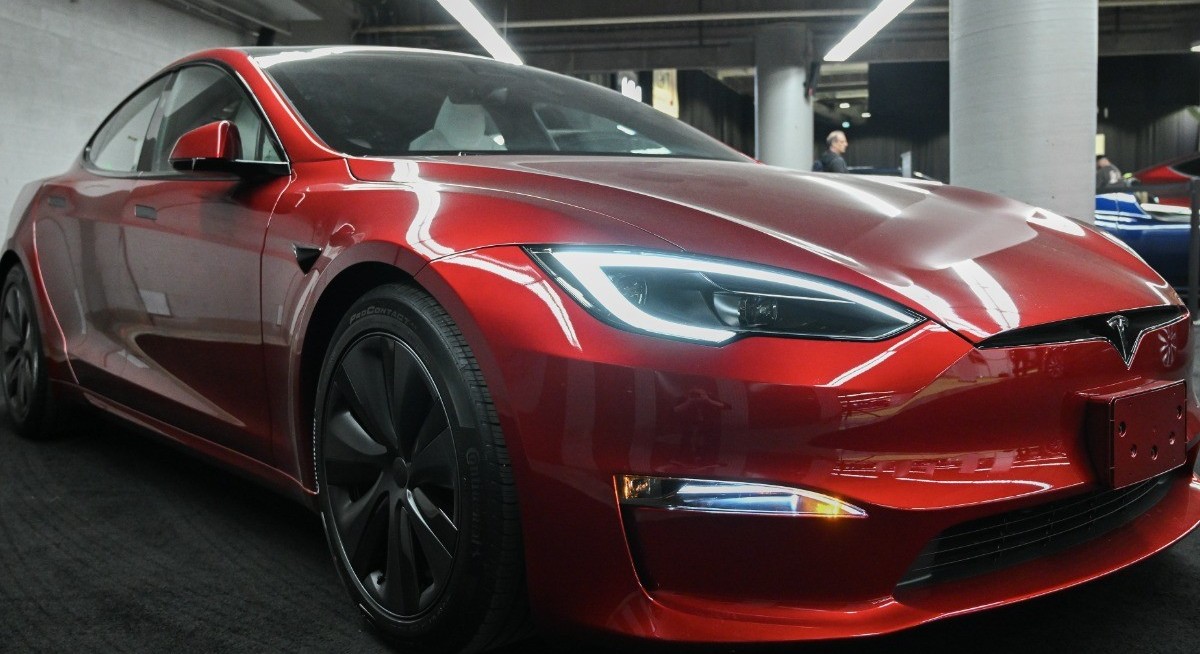
Tesla recently began advertising a Model 3 sedan available in Canada for just C$42,132 (about US$30,900 or $39,156) after delivery fees, a steep drop from its previous list price. The car is thought to be sourced from the company’s Shanghai factory, though Tesla did not respond to a request for comment.
See also: Electric vehicle outlook sinks as US withdraws policy support
It has long been assumed that Tesla and Polestar — brands that have been available for sale in Canada for years — would be the first to take advantage of the low-tariff quota. But the government wants to ensure a wide variety of companies have access to the import permits, the officials said. Polestar is affiliated with Zhejiang Geely Holding Group Co.
The aim is to include Chinese brands that are effectively new to Canada’s consumer EV market, such as BYD, Chery and Geely. The government has promised that within five years, half the quota will be reserved for cars priced under C$35,000.
Over time, the quota system could also evolve to provide favourable access to companies that establish business operations in Canada — especially if those operations include vehicle assembly, said officials familiar with the discussions.
When Carney announced the pact with Chinese President Xi Jinping in January, he said Canada wanted it to “drive considerable new Chinese joint-venture investment in Canada with trusted partners”.
Uploaded by Chng Shear Lane




