


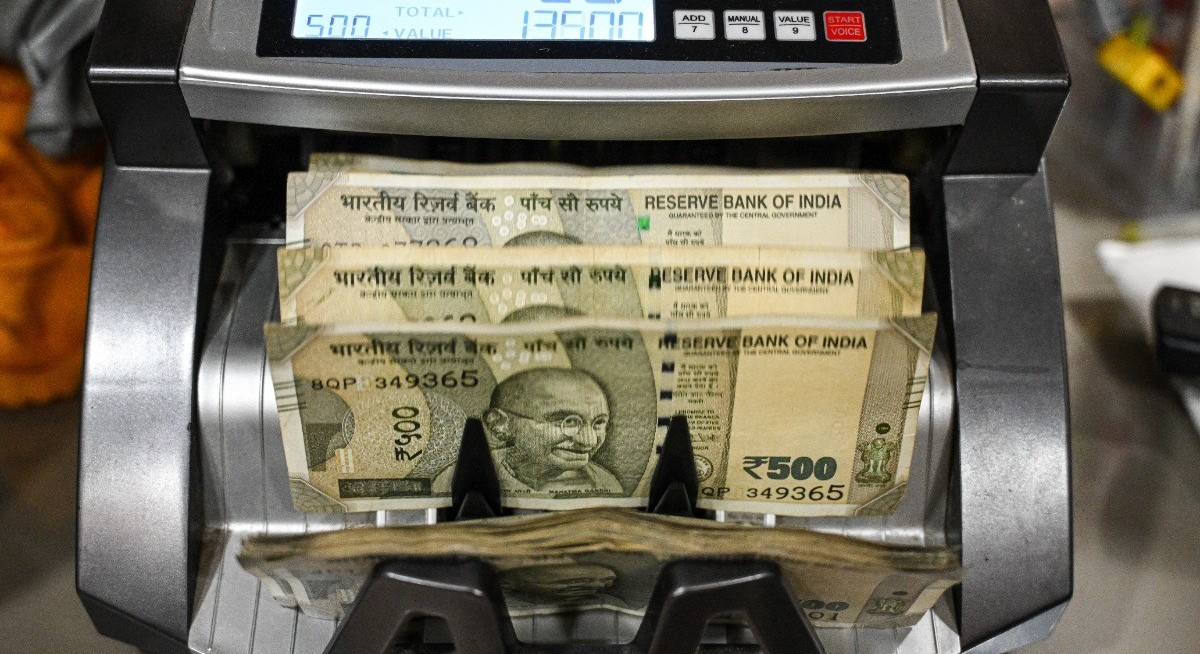


(March 30): India’s most dramatic step in more than a decade to curb speculation in the foreign-exchange market delivered only fleeting gains, with the rupee’s initial jump reversing.
After surging as much as 1.4% at the Monday open, the rupee gave up gains and hit a fresh low in the final stretches of trading. The Reserve Bank of India on Friday said it will limit daily currency positions lenders can have in the country to just US$100 million, restricting their ability to take big bets.
The reversal shows how deeply entrenched the currency weakness is, given the broader outlook of elevated oil prices that strain inflation and the trade deficit in the import-dependent country.
“The move in the spot market shows that the RBI’s step on the net open position has not worked,” said Ashhish Vaidya, head of treasury at DBS Bank in Mumbai. “Market liquidity has taken a hit and essentially the risk appetite of market-makers is now considerably lower.”

Friday’s directive underscores the RBI’s shrinking flexibility, as foreign-exchange reserves have dropped in the first three weeks of March amid efforts to defend the rupee following the Iran conflict. The measure immediately drew pushback, with banks warning that unwinding positions totalling at least US$30 billion could lead to steep losses. They had requested the rule apply only to new bets, people familiar with the matter said earlier.
See also: Indian rupee set for more chaos as banks unwind US$30 bil in arbitrage trades
The move lower in the local currency was driven by the demand for the greenback from oil importers at lower levels after the initial rupee rally, said Anil Kumar Bhansali, head of treasury at Finrex Treasury Advisors.
The rupee closed at 94.8325, taking its loss to 4% since the Iran war broke out and ranking as Asia’s worst performer so far this year.
The uncertainty over the duration of the conflict has prompted global funds to pull about US$12 billion from local shares while index-eligible bonds have seen record outflows of US$1.6 billion in March, worsening the currency weakness.
See also: RBI urged to relax new FX rules as US$30 bil unwinding looms — Bloomberg
India has been among the hardest hit by the Iran war and rising commodity costs.
Brent prices are holding well above US$110 per barrel, far higher than the US$70 baseline assumed by the RBI in October. Bloomberg Economics estimates that crude at US$100 a barrel and gas prices 50% above pre-war levels will raise India’s import bill by US$5 billion a month.
“Pressure will likely continue if crude prices remain around US$100,” and warned that the brokerage’s target of 100 to a dollar “may occur sooner rather than later,” Systematix Institutional Equities analyst Siddharth Rajpurohit said in a note.
Still, the measure shows the authority is urging local banks to alter their currency strategies and supply dollars themselves, rather than relying on the central bank to do that. In recent years, the RBI has mainly sold dollars — including more activity in offshore markets — to curb sharp swings in the rupee. The authority was a net seller of US$51.7 billion last year, the most on record.
The RBI’s directive “is effectively engineering a near-term supply of dollars in the market", said Kunal Sodhani, head of treasury at Shinhan Bank. “But the durability of this support will depend on external variables — chief among them, the trajectory of oil prices and the broader geopolitical landscape.”
The move dragged down lenders’ shares. The State Bank of India tumbled 3.9%, set for its lowest level this year. HDFC Bank Ltd and ICICI Bank Ltd dropped at least 2.1% each.
Every single rupee move versus the dollar could lead to a one-time loss of 30 billion rupees to 40 billion rupees for banks, according to Jefferies analysts.
To stay ahead of Singapore and the region’s corporate and economic trends, click here for Latest Section
Prior to the RBI’s latest measure, banks were permitted to set the so-called open position limits within 25% of their capital.
Besides the limits on open positions, the RBI has also proposed stricter reporting rules requiring overseas affiliates of lenders to disclose rupee-linked trades to a clearinghouse supervised by it, in a bid to better understand who is driving offshore activity and why. That plan has also met resistance from banks.
Uploaded by Arion Yeow




