


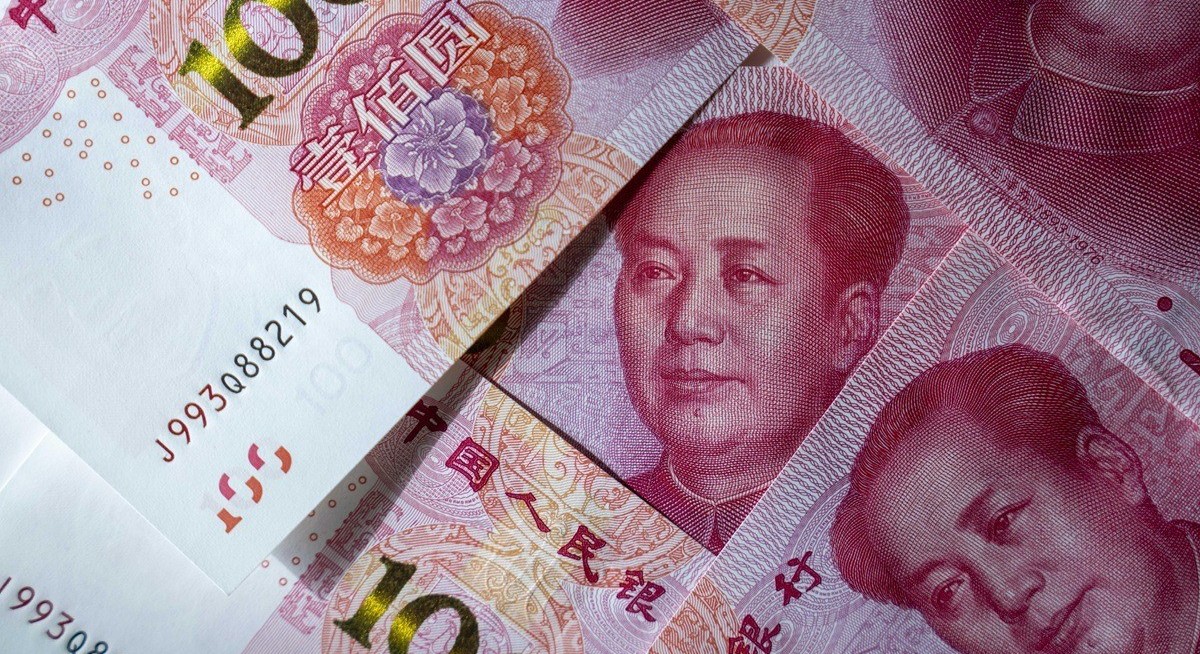


(March 25): The war in Iran is testing the dollar’s role as the currency for global oil trade, with one long-term consequence being a potential shift to using more Chinese yuan, according to Deutsche Bank.
“The conflict could be the catalyst for erosion in petrodollar dominance and the beginnings of the petroyuan,” Mallika Sachdeva, a strategist at the German lender, wrote in a note on Tuesday, citing media reports that Iran is allowing the passage of ships through the Strait of Hormuz if oil payments are made in yuan. China, a long-time partner of Iran, is also the nation’s biggest oil customer.
Further fault lines in the petrodollar regime could have “significant downstream effects” to the dollar’s use in global trade and savings, as well as its role as the world’s reserve currency, according to the research report. China meanwhile has accelerated its efforts to boost the yuan’s global profile, challenging the dominance of the dollar in global trade and finance.
The petrodollar arrangement can be traced back to 1974, when Saudi Arabia agreed to price oil in US dollars and invest surpluses in dollar assets, in exchange for security guarantees from Washington. Saudi Arabia, however, now sells four times as much oil to China as to the US. Gulf countries have also been experimenting with forms of non-dollar payment infrastructure such as Project mBridge.
The near-halt to ship transits via Hormuz — through which about a fifth of the world’s oil and gas, along with vast amounts food, metals and other materials are shipped every day — has sent the prices of vital commodities soaring.
Iran has said foreign ships are allowed to cross the Strait of Hormuz, as long as they aren’t supporting acts of aggression against the country and follow regulations put in place by Tehran.
See also: India’s falling FX buffer prompts calls for softer rupee defence
Uploaded by Liza Shireen Koshy




