


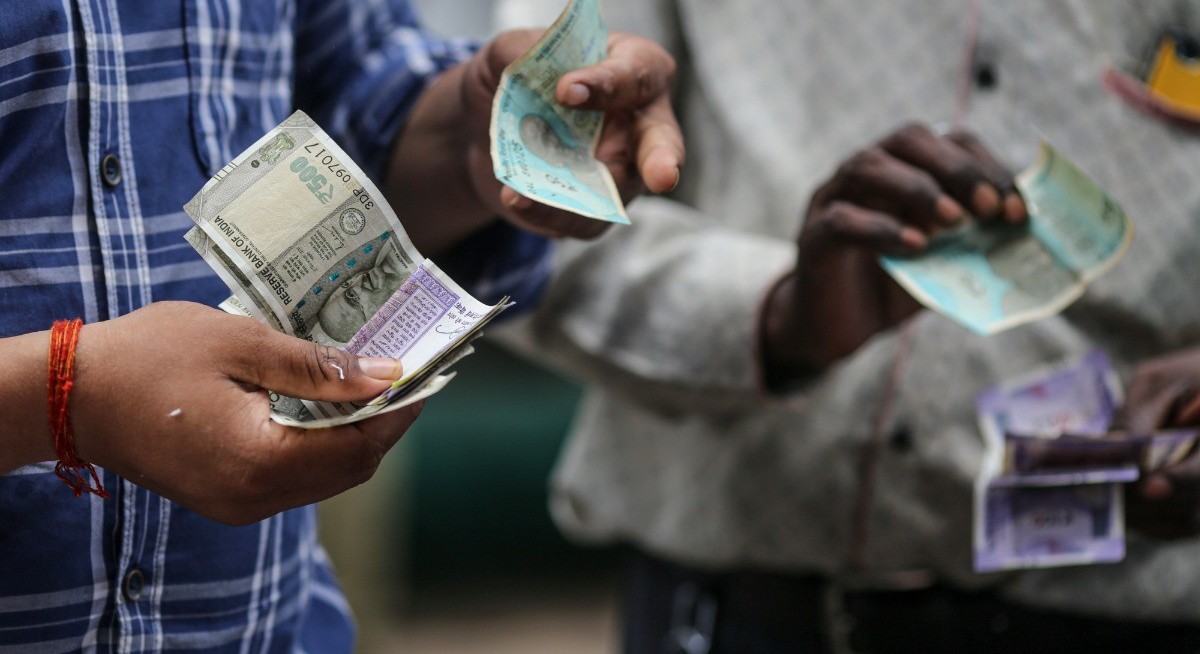


(May 5): The Indian rupee fell to a record low as crude prices rose following a flare-up in violence in the Middle East, leading analysts to consider whether the central bank may return to its 2013 playbook to support the currency.
The rupee weakened as much as 0.4% to 95.4175 per dollar on Tuesday, breaching its April 30 low of 95.3337. Brent traded near US$113 a barrel after surging 5.8% on Monday as traders tracked tensions in the Middle East after fresh clashes between the US and Iran.
The currency has come back under pressure as the Reserve Bank of India’s recent crackdown on speculative bets delivered only brief relief. The Middle East conflict has kept energy prices elevated, while foreign investors have already pulled US$21 billion from local equities this year — surpassing 2025’s full-year outflow. Those trends are straining the country’s external finances.
“The underlying issue for INR remains the balance of payments,” UBS Group AG economists including Tanvee Gupta Jain wrote in a note. “Measures to increase capital flows need to be the key policy priority.” The Swiss bank lowered its fiscal 2027-end rupee forecast to 96 per dollar from 94.

To address these pressures, the RBI has scope to deploy its 2013 policy toolkit — drawing on measures used when the taper tantrum hit — to support the rupee, according to the analysts. Those steps included raising dollars from expatriate Indians, curbing gold imports and opening a special forex swap window for oil-marketing firms, who account for US$250 million to US$300 million in daily demand.
See also: Asia’s beaten-up currencies gain traction after defensive moves
At the time, the authority supplied about US$12 billion to refiners as the rupee slid past 60 per dollar — then a record low.
The central bank has so far relied on dollar sales to defend the currency. India’s forex reserves stand at about US$700 billion, though a negative US$103 billion forward book — reflecting future dollar obligations — limits the central bank’s flexibility.
While the Iran war shock poses challenges for India, a large oil importer, some of those headwinds should be offset by capital flows from the numerous free trade agreements that the country has recently signed, RBI Governor Sanjay Malhotra said on Friday. The country’s net capital account position should be better than last year, he said at an event in Amsterdam.
Uploaded by Arion Yeow




