




(May 6): Asian currencies extended a rebound as the artificial intelligence trade gathered pace and sentiment improved on hopes of a peace deal between the US and Iran.
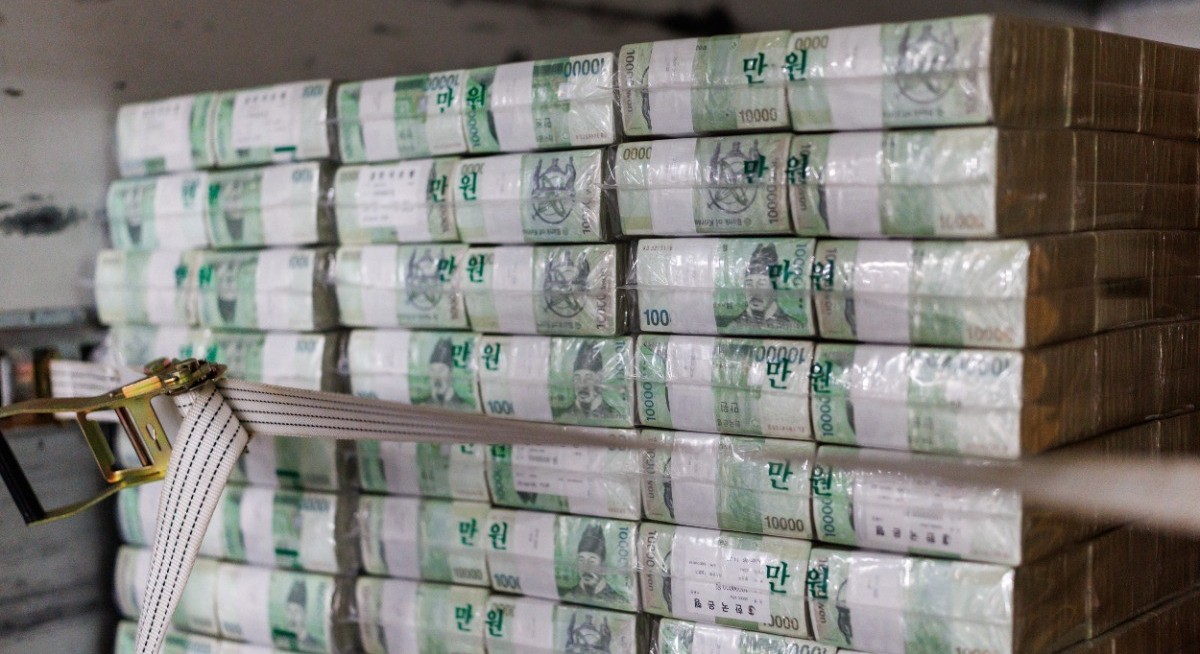
The Korean won led currencies higher, rising the most in almost three weeks as Samsung Electronics Co.’s market value hit US$1 trillion on booming demand for microchips. The Thai baht climbed as much as 0.8% — its biggest increase since April 17 — lifting most Asian peers, particularly those sensitive to oil price swings. Meanwhile, the yen rallied to the strongest level in over two months, once again fuelling speculation about possible intervention by Japanese authorities.
The rally comes as renewed optimism for AI lifts Asian markets, a key part of the global AI ecosystem. US President Donald Trump also suspended a plan to escort ships through the Strait of Hormuz following clashes with Iran in an effort to reach a deal to end the conflict.
“Trump’s suspension of Project Freedom, which may raise the hope of negotiation between US and Iran” is driving high-beta FX higher, said Kiyong Seong, lead Asia macro strategist at Societe Generale SA in Hong Kong. While it’s hard to speculate if the worst is over for Asian currencies, “the worst case of re-intensifying military action can be avoided", he said.

The rebound eases some pressure on Asian currencies. The jump in oil last week — driven by fears of a breakdown in the US-Iran ceasefire — pushed currencies of countries facing high crude-import bills like the Indonesian rupiah and Indian rupee to record lows.
See also: Indonesia tightens rule on forex purchases after rupiah's new record low
That prompted repeated interventions from central banks including Bank Indonesia and the Reserve Bank of India to stem the weakness. They’ve also targeted speculative traders, with BI tightening rules on dollar buying on Tuesday while the RBI temporarily curbed the use of offshore rupee derivatives.
The RBI is also weighing a plan for state lenders to sell foreign-currency bonds in an effort to draw capital inflows and support the rupee, according to people familiar with the matter.
Still, the rally may not endure as the performance between Asian currencies exposed to the AI trade and oil swings diverges. India, Indonesia and the Philippines are yet to face the full impact of high energy costs while the Korean won will likely be supported by inflows into stocks, according to Eugenia Victorino, head of Asia strategy at Skandinaviska Enskilda Banken AB.
See also: Japan has two more key windows for yen intervention by IMF rules

“We still think markets are overestimating prospects for a quick resolution,” said Eddie Cheung, a senior emerging markets strategist at Credit Agricole in Hong Kong. “The ceasefire is still fragile.”
Uploaded by Arion Yeow




