


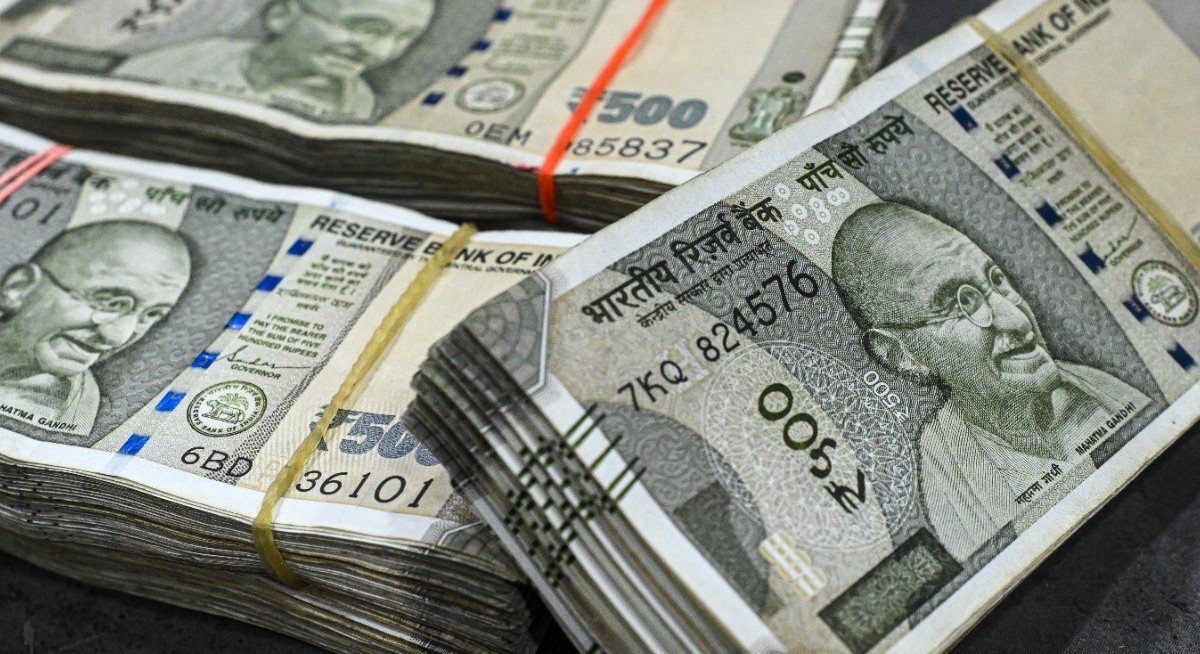


(Jan 21): The Indian rupee fell to a new low on foreign outflows from the nation’s equities, as a delay in a trade deal with the US dents investor sentiment.
The currency fell as much as 0.4% to 91.3350 per dollar on Wednesday (Jan 21), breaching its previous record low set in December. It weakened for a sixth straight day and underperformed all Asian peers.
“The rupee is getting hit by global uncertainties due to geopolitical developments, in addition to idiosyncratic issues like the US trade deal and capital outflows,” said Madhavi Arora, lead economist at Emkay Global Financial Services Ltd.
Most emerging Asian currencies are trading lower against the dollar this year amid global uncertainties. The rupee has weakened 1.6% so far in 2026, while the South Korean won has fallen 2%. The Indonesian rupiah declined to a new low on Tuesday, weighed down by concerns over the central bank’s independence and fiscal worries, while the Philippine peso is hovering near its lowest-ever level.

US President Donald Trump’s threat to impose tariffs on European nations that rejected his proposal to purchase Greenland has unsettled markets, prompting investors to reassess risk. The sell-off in Japanese bonds has compounded the pressure, adding to strains driven by uncertainty over US policy and trade.
See also: Hedge funds boost Aussie long positions as RBA keeps tightening
Foreign investors have pulled US$2.7 billion from Indian equities this month, after about US$19 billion of outflows last year. A delay in finalising a trade deal with the US is hurting sentiment. A steep 50% tariff on Indian goods has hit exporters, while strong imports have kept dollar demand high, adding to the pressure on the rupee.
In recent sessions, the Reserve Bank of India has intervened through dollar sales in the currency market to support the rupee, according to people familiar with the transactions.
“The pace of depreciation will be a key factor for RBI rather than the level itself,” Commerzbank AG analysts Charlie Lay and Moses Lim wrote in a note. The RBI is expected to mitigate the pace of the rupee’s fall but may not be able to offset it completely, they said, forecasting the pair at 92 by the year-end.
Uploaded by Arion Yeow




