


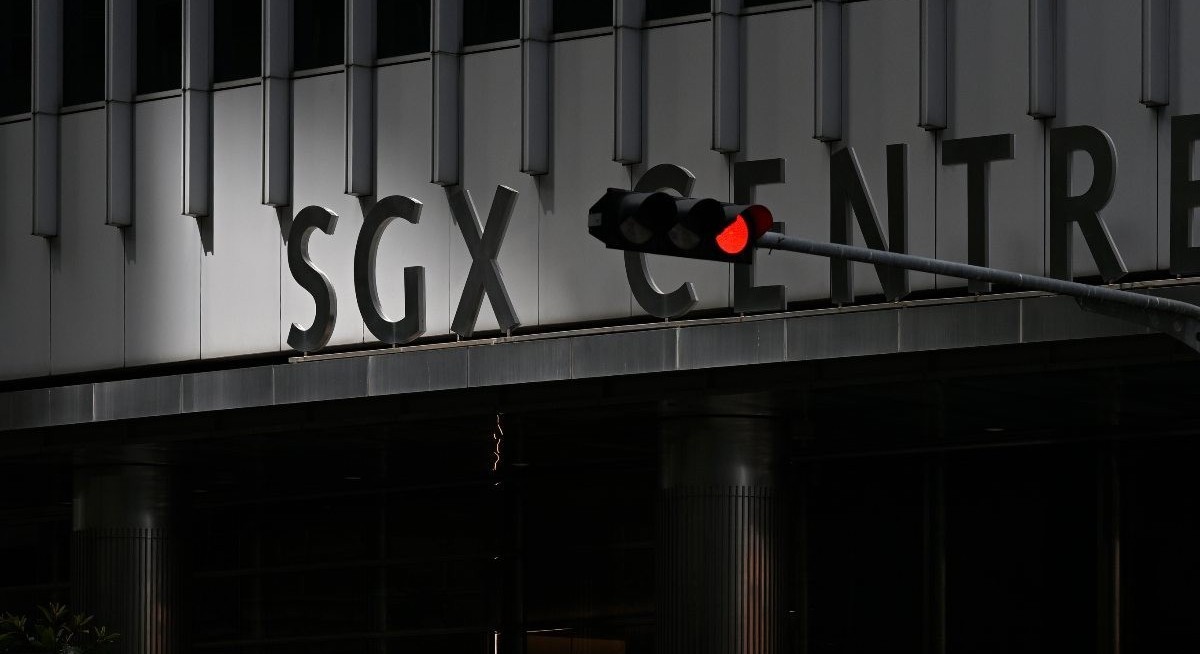


Last August, SGX said there were 30 companies in the IPO pipeline, and 18 have already come to the market. In 1HFY2026, the 15 SGX IPOs raised a total of $3 billion.
As of now, the number of companies in the pipeline is “more than what we’ve said before”, says Loh, who aims to improve on last year’s results. “The number, for now, is greater than 30,” says SGX’s head of global sales and origination, Pol de Win, who elicited laughter in the room. “We see new additions coming in at a greater pace, and that’s encouraging.”
However, he stresses that IPOs do not follow a straight line because of seasonal factors. “It’s normal for the first quarter to be a little bit more quiet as companies prepare [their] full-year financials,” says de Win. What’s particularly encouraging, he adds, is not just the numbers but the quality and breadth of companies in the pipeline. “We’re seeing mainboard and Catalist quite equally spread.”
Structural improvements
See also: MetaOptics stays focused on unicorn ambition with new CEO
The stronger IPO outlook comes amid robust trading activity. Securities daily average traded value (SDAV) rose 20% y-o-y to $1.51 billion in 1HFY2026, the highest in five years. Both retail and institutional investors are more active. The growing interest, says SGX, can be partly attributed to the launch of the iEdge Singapore Next 50 Index last September, which tracks the next 50 largest companies beyond the Straits Times Index (STI) constituents.
The STI posted a 23% one-year return, outperforming most Asean peers. SDAV for small and mid-caps surged by more than two times, outpacing the STI 30 and contributing nearly half of the overall SDAV growth.
Beyond the pipeline and partnerships, SGX is also refining its market structure. For example, it is proposing to reduce board lot sizes for higher-priced stocks, from 100 shares to 10 shares for select companies.
See also: Thomson Medical Group, Johor Bay and its Southeast Asian ambitions
Ng Yao Loong, head of equities, says SGX is starting this initiative for securities trading at $10 and above (See also: Smaller board lots: the race to $10 starts at 10), which will enable blue-chip companies to be more accessible to a wider population.
Ng notes that the exchange has done this before with ETFs in 2022 and has seen good activity. “Gold, for example, was trading at around $600, and we’ve seen activities that helped make the market more accessible,” he says. “Making the stock market accessible to higher-priced shares to a broader population is part of our goal for higher retail participation.”
SGX is also working on modernising its post-trade framework through broader adoption of broker custody accounts, aimed at enhancing accessibility, participation and market efficiency.
GLB and Chinese shares
The Global Listing Board (GLB), developed in partnership with Nasdaq and announced in late 2025, is another thing to look forward to, as it is attracting companies that may not have seen Singapore as a listing destination otherwise. Prospects span consumer, healthcare and digital infrastructure companies. “This is widening the funnel and gradually reshaping the profile of companies looking to list here,” says Loh.
When asked whether companies are choosing Singapore or the US, Loh says it goes both ways. “If you see the pipeline, companies are broadly in this part of the world but with businesses that could extend into Europe or the US,” he continues. “Meaning companies in this part of the world having a global or regional footprint and looking to tap Asian and global investors.”
The GLB pipeline includes companies that have not been listed before, but could also include companies already in the US looking to tap into the GLB framework, he adds.
Another major initiative announced in late 2025 involves China. The Monetary Authority of Singapore and the China Securities Regulatory Commission have expressed support for Chinese corporates or A-share companies to secondary list in Singapore.
“There is now a clear fundraising pathway for eligible Shanghai and Shenzhen-listed companies to raise capital on SGX, while maintaining their A-share obligations,” says Loh, adding that SGX looks forward to welcoming new listings under both initiatives in 2026.




