


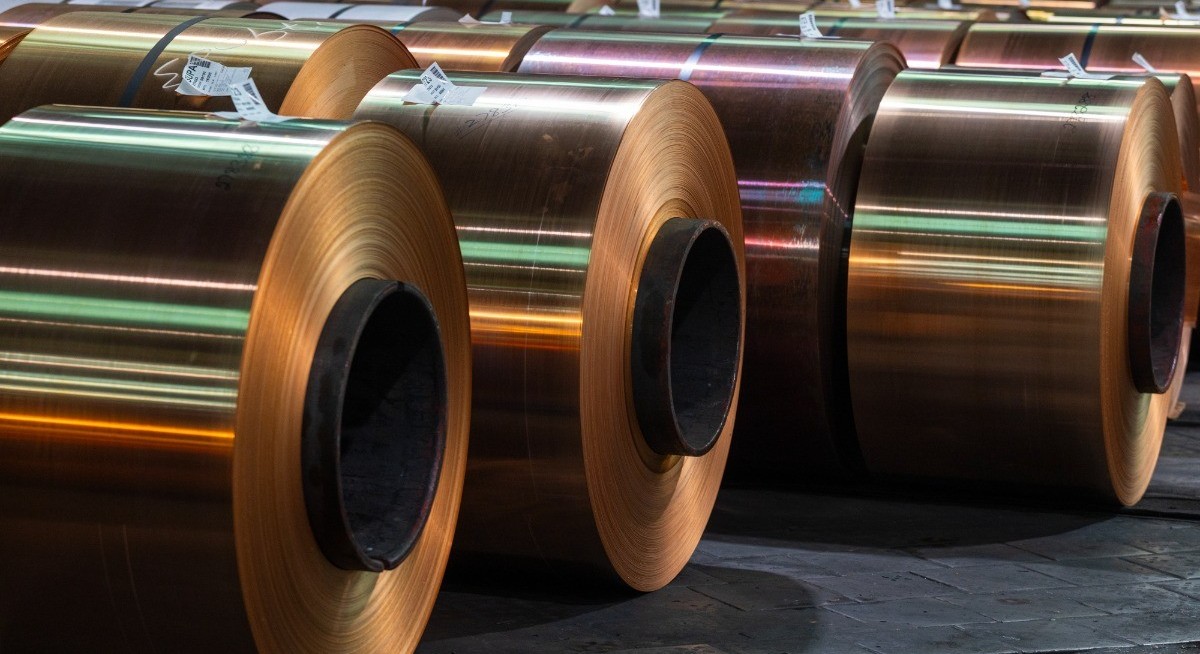


(March 19): Copper slumped below US$12,000 a tonne in London, giving up its gains for this year as the worsening war in the Middle East pushed energy prices higher and increased the risk of damage to the global economy.
There were broad declines across industrial metals after Iran and Israel traded strikes on energy facilities in the Middle East. Tehran targeted the world’s biggest liquefied natural gas plant after Israel hit Iran’s South Pars gas field, prompting European gas and Brent prices to surge.
US President Donald Trump pressed for a de-escalation of attacks after the latest hostilities. With no resolution to the war in sight and energy prices soaring, risk assets including industrial commodities are coming under severe selling pressure.
Copper, which started this year in bullish form and reached an all-time high in late January, has plunged more than 10% this month on the London Metal Exchange (LME). It dropped as much as 3.9% to US$11,910 a tonne on the LME, as all contracts slumped on the exchange.

“It’s about concerns over the economy and inflation,” said Wu Kunjin, head of base metals research at Minmetals Futures Co. “The longer crude oil stays at elevated levels, the more it feeds into inflation. Rising oil prices don’t necessarily mean interest rates will be hiked, but it is possible.”
See also: UK to hike steel tariffs, cut import quotas to boost industry
The Federal Reserve’s latest policy meeting fanned worries about the trajectory for interest rates. While the bank left rates unchanged for a second straight meeting, chair Jerome Powell’s commentary dwelled on signs that inflationary pressures were still lingering even before the Iran war erupted.
Metals traders are weighing the potential for supply disruptions — especially in the aluminium market — against the threat to manufacturing activity worldwide if the conflict triggers a broader economic slowdown. Chinese metals demand was already soft before the US and Israel attacked Iran.
However, the metals rout might also help to stimulate some buying, especially among Chinese consumers who had balked at high prices earlier this year. Stockpiles of aluminium and copper in China had surged.
See also: Aluminum piles up in China as Iran war shrinks global supplies
“After prices fell, expectations for consumption in China have improved quite a bit, which is also helpful for inventory drawdowns going forward,” Minmetals’ Wu said.
Aluminium dropped 7.8% to US$3,135 a tonne by 12.39pm in London, although it’s still up around 5% this year. All base metals were lower on Thursday, with tin slumping more than 6% and nickel declining more than 3%.
Uploaded by Felyx Teoh




