




(March 24): Xiaomi Corp posted its slowest quarterly growth since 2023, after strong sales of its electric vehicles (EVs) failed to make up for slumping smartphone demand.
Sales rose 7.3% to CNY116.9 billion (US$17.0 billion or $21.7 billion) in the December quarter, just edging past the average estimate of CNY116.3 billion. The Beijing-based company shipped 145,115 cars in the period, more than doubling from a year ago, getting a boost from a sports utility vehicle it launched last summer.
Xiaomi’s fourth-quarter sales also benefitted from some consumers’ decision to buy cars before the end of last year as China announced plans to scale back subsidies for EV purchases in 2026. It delivered more than 50,000 units in December, its highest monthly sales so far.
EVs have become an increasingly important growth engine for Xiaomi after it entered China’s crowded market two years ago to diversify beyond smartphones and other gadgets.
That division recorded a profit of CNY1.1 billion, extending its momentum after reporting its first-ever profit in the previous quarter. It also reported an annual profit for the first time in 2025.
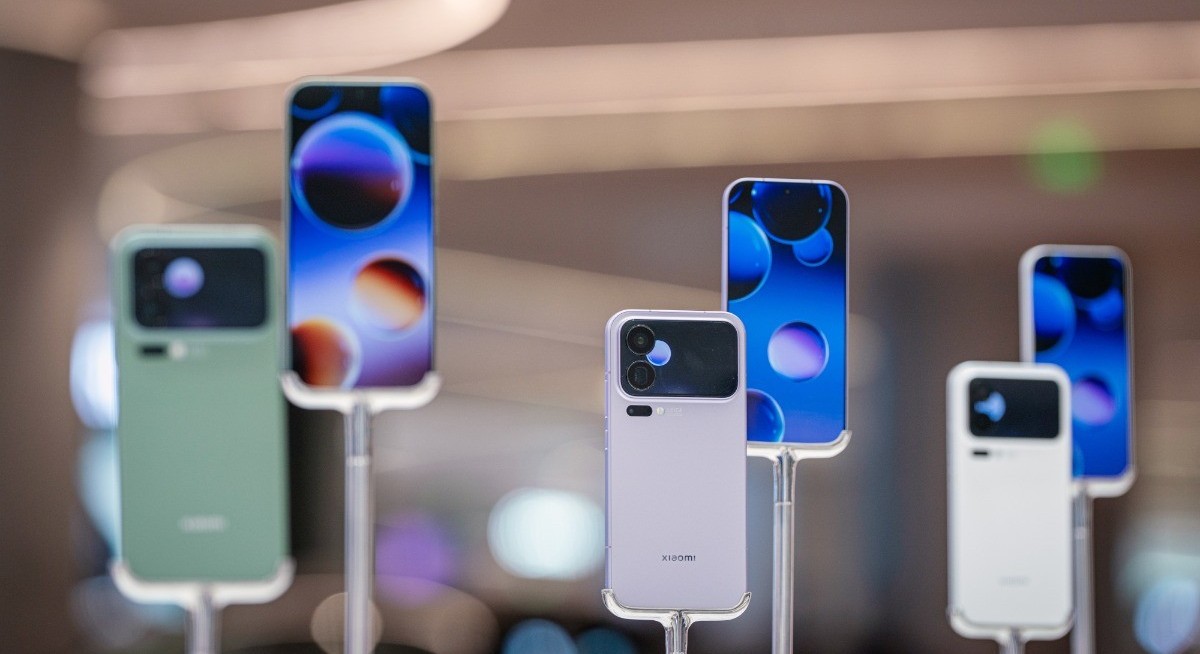
But the smartphone business is getting hit by higher memory prices. Research firm IDC expects a 12.9% contraction in the global smartphone market this year due to an ongoing memory shortage. Xiaomi retained its position as the third-largest smartphone vendor last quarter but saw a 11.5% decline in shipments, while the overall market grew by more than 2%, according to IDC.
See also: CK Hutchison shares jump as firm eyes major deals

Xiaomi may further raise smartphone pricing due to the ongoing memory crunch, president Lu Weibing told reporters on a post-earnings call on Tuesday.
The company’s billionaire co-founder Lei Jun has set a goal of delivering 550,000 cars in 2026, up 34% from last year’s sales of 410,000 vehicles. It is also trying to expand its global footprint, aiming to sell cars in Europe from 2027.
See also: Xi renews push to develop high-tech city outside Beijing
China’s EV market remains a tough arena. Automakers were locked in an intense price war last year, driven by an oversupply and a slowing economy. Xiaomi’s Hong Kong-listed shares are already down more than 40% from the peak in 2025.
Carmakers now face further pressure as costs for chips and battery materials are rising while the government phases out subsidies for purchases. Xiaomi launched an updated version of its first sedan SU7 last week, charging 2% higher than the previous generation.
Xiaomi is also wading into a race to develop OpenClaw‑style artificial intelligence (AI) agents, rolling out models and tools to compete with local giants Alibaba Group Holding Ltd and Tencent Holdings Ltd.
Uploaded by Tham Yek Lee




