


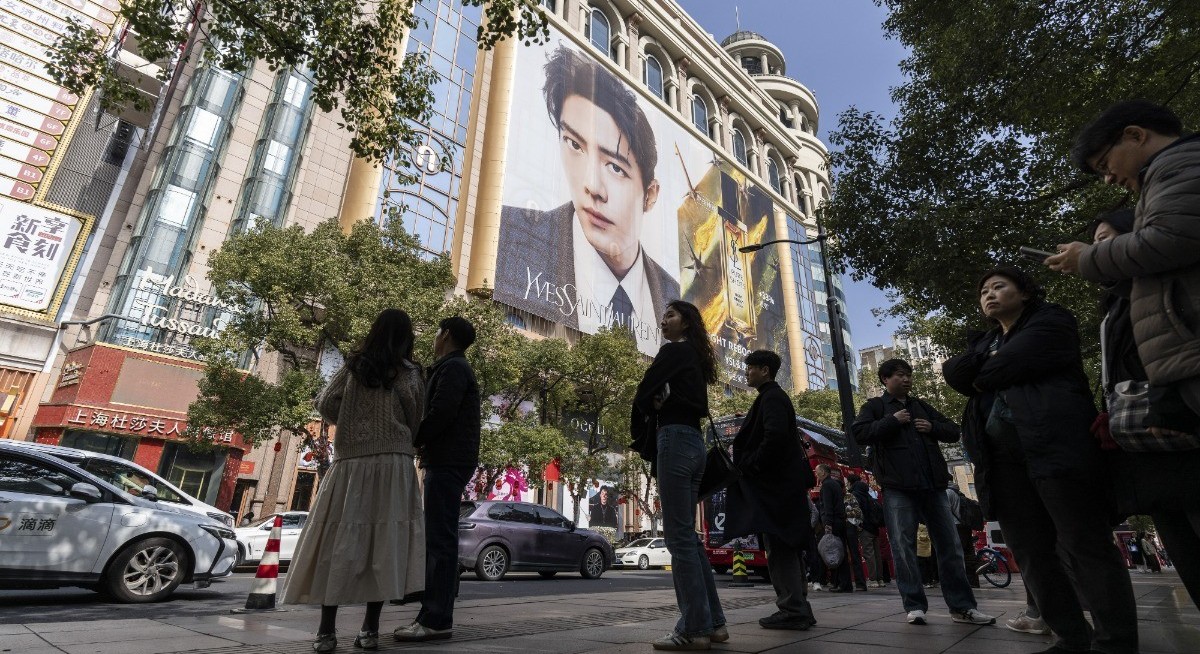


(June 1): Chinese consumers are showing signs of a renewed appetite for high-end beauty and fashion products, a rare bright spot for global luxury brands after years of weak demand and margin-eroding discounts in their most important growth market.
Results from companies including L’Oréal SA, LVMH Moet Hennessy Louis Vuitton SE and Ralph Lauren Corp, along with industry data compiled by Bloomberg News, suggest affluent consumers are starting to spend more again, helped in part by a Chinese equities rally that’s boosting wealth and sentiment. It’s also adding to signs that the cycles of discounting that underpinned the sector in recent years are slowing, as shoppers increasingly splash their cash.
LVMH-owned Louis Vuitton and Burberry Group plc saw sales at their Chinese brick-and-mortar stores return to growth during the first quarter, while Kering SA-owned Gucci’s shops narrowed declines and Tapestry Inc’s Coach accelerated gains, according to Chinese data and research firm BigOne Lab.
The beauty sector is also showing early signs of a high-end revival. On Alibaba Group Holding Ltd’s e-commerce platforms Tmall and Taobao, combined sales of the top 10 labels that retail for more than 200 yuan (US$29 or $37.78) rose 39% in the first four months of the year, according to Hangzhou Zhiyi Tech data. In contrast, lower-priced brands posted slight declines.
“Encouraging signals are showing in China’s consumption for the first time in several years,” said Daniel Zipser, a senior partner at consultancy McKinsey & Co in Shenzhen. “It’s pointing in the right direction.”

See also: War and AI demand break China’s record of falling export prices
Burberry declined to comment on the BigOne data, while LVMH referred to earlier comments on its improving China performance. Gucci and Coach didn’t respond to requests for comment.
‘Wealth effect’
China’s consumer confidence has been closely tied to the property market, which has long accounted for the bulk of household wealth.
See also: China’s de-dollarisation and the QR code
But a persistent real estate downturn has seen the share of Chinese household savings allocated to property drop from more than 90% in 2016 to about one-third last year, with more money shifting into stocks and other financial assets, according to McKinsey’s analysis of official data.
That shift has made China’s technology-fuelled stock rally increasingly important to consumer sentiment. The ChiNext Index — dubbed China’s Nasdaq — rose above its 2015 bubble-era peak in May and is up about 26% this year.
“Luxury spending, as well as discretionary, is closely linked to income expectations among wealthy households,” said Fu Zhifeng, chief investment officer at Shanghai Chengzhou Investment Management. “The strong stock market performance could create a wealth effect, adding upside and supporting a pickup in the data.”

For luxury and cosmetics groups, the tentative rebound in demand could also help stabilise margins as they begin to wind down the heavy online promotions and discounts that they’d been relying on to boost sales.
Estee Lauder Cos executives said during the company’s February earnings call that discounting levels in China were easing, even as the brand continued to drive growth by offering more tailored shopping experiences.
Sales contributions from higher-end products at several premium beauty and luxury fashion brands rose in April from the same period two to three years earlier even as many companies reduced promotions, according to data from Hangzhou Zhiyi Tech. The figures suggest affluent consumers are becoming more willing to spend on pricier products again.
To stay ahead of Singapore and the region’s corporate and economic trends, click here for Latest Section
Early rebound
“We have finally exited the era of mass discounting,” said Jessica Gleeson, Shanghai-based CEO of retail consultancy BrighterBeauty. “Premium brands are transitioning consumers away from margin-eroding price cuts by using platform incentives strictly for high-value bundling, including opportunities for offline experiences.”
The early rebound is taking on greater significance as the war in the Middle East hurts demand in that region and darkens the global economic outlook. Bright spots include Ralph Lauren’s China sales, which jumped more than 50% in the latest quarter, helped by strong Lunar New Year demand and an influx of new customers. LVMH reported stronger-than-expected regional performance in the quarter ended March, buoyed by China holiday spending.
L’Oréal reported mid- to high-single-digit sales growth in China in the first quarter, accelerating from the second half of 2025. Chief executive officer Nicolas Hieronimus said improving consumer sentiment and stronger equity markets were helping drive the revival.

Investors and retailers alike will be watching closely for whether the comeback can spread more widely across the retail economy.
Analysts caution that a recovery in luxury demand may not immediately translate into a broader consumer turnaround in China. The country’s growth broadly slowed in April, with investment falling again, raising doubts about authorities’ reluctance to add stimulus as the global energy crisis pressures factories and consumers.
“The rebound in housing and equities has created a wealth effect, but both remain volatile,” said Morningstar Inc analyst Jeff Zhang. “It will take time for consumption to fully recover.”
Uploaded by Chng Shear Lane




