


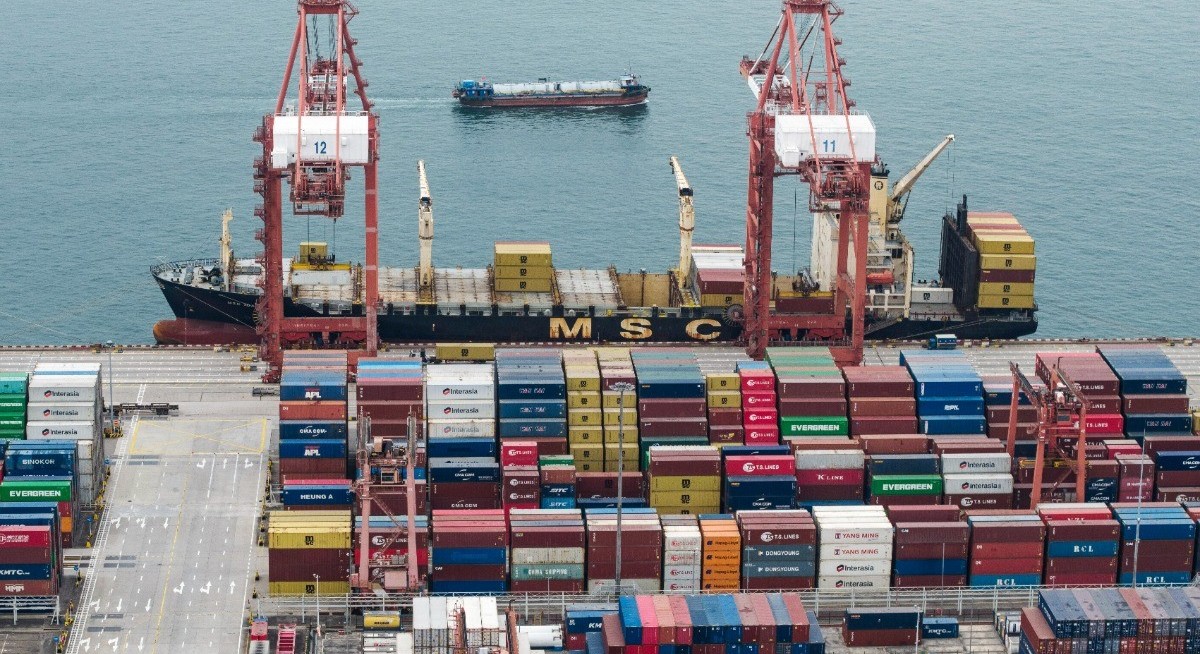


(May 29): China’s export prices jumped at their fastest rate in three years, as a global surge in energy costs and an artificial intelligence (AI) boom broke a long streak of falling prices.
Official data released Thursday showed overall export prices rose 5% in April from a year ago, the biggest gain since April 2023 and a reversal from years of almost unbroken contraction.
The increases were concentrated in global commodities like crude oil, metals and semiconductors. These goods rallied worldwide as the war in Iran triggered an energy crisis and massive corporate investments in AI prompted global supply scrambles.
Outside of these sectors, however, the picture looks very different. Prices for most Chinese goods are still falling, as intense domestic competition and an oversupply of products have limited what factories can charge buyers.
“Chinese products are not what’s driving prices hikes. China is still largely a price taker,” said Xing Zhaopeng, senior China strategist at Australia & New Zealand Banking Group. “Even if prices continue to rise down the road, it will be a passive reaction rather than an active choice.”

See also: China’s de-dollarisation and the QR code
The data highlights how conflicts in the Middle East affect the world’s largest exporter. As higher oil prices lift the cost of things from plastics to chemical fibres, some Chinese factories have started raising prices for consumer items including swimsuits and bandages.
This shift, if sustained, could spell trouble for shoppers overseas. For years, international markets relied on cheap Chinese manufacturing to keep their own everyday living costs down.
However, a weak domestic economy prevents Chinese factories from passing on all their higher costs. Intense local competition means manufacturers must absorb much of the raw material spike, heavily squeezing profit margins downstream.
See also: China’s ‘slow bull’ financial sector overhaul

For China, this profit squeeze threatens to trigger a painful economic loop. Lower corporate earnings will likely depress worker wages, further hobbling the domestic consumer spending that Beijing has been trying to revive.
Recent official data shows a highly uneven pattern of profit growth across Chinese industry. Factories linked to AI or high oil prices are thriving, while the rest of the manufacturing sector continues to struggle.
Within the customs data, mineral fuels — which include petroleum oil — were among categories seeing the biggest price jumps with a 22% gain in April compared to last year. Meanwhile, fertiliser prices climbed 17%, driven in part by the soaring cost of natural gas.
The global AI frenzy created severe chip shortages, driving Chinese electronic export prices up by more than 20%. This tech boom also pushed metals like copper to record highs in recent weeks, inflating the cost of exported copper goods.
In contrast, traditional goods showed significant price drops. Rubber and plastic product prices fell 4%, while textile and apparel dropped 6% from last year. Car and related parts prices were also 6% lower.
Shoppers may not feel the full force of the energy shock immediately. ANZ’s Xing said it’ll likely take about six months for higher oil prices to fully filter down into the price tags of consumer goods.
To stay ahead of Singapore and the region’s corporate and economic trends, click here for Latest Section
Goldman Sachs Group Inc estimated a 10% increase in the cost of oil typically lifts Chinese export prices by an average 50 basis points over the first year, with a peak four to five months from the initial shock.
“Apart from AI and energy, China is still in a deflationary environment,” said Larry Hu, head of China economics at Macquarie Group. “It’s still containing global inflation.”
Uploaded by Chng Shear Lane




