




Tourism is perhaps the most obvious area where consumers feel the impact of rigid currency exchange and settlement systems. They feel it every time they have to convert Singapore dollars into another currency while travelling overseas.
The use of cash is declining in many countries, and much of tourist expenditure is now conducted electronically using credit cards. But these carry high currency conversion fees and thrive on very large currency spreads. It is very profitable for the banks, but it is a drag on how much money you have to spend.
All this is changing, and it’s part of the de-dollarisation process.
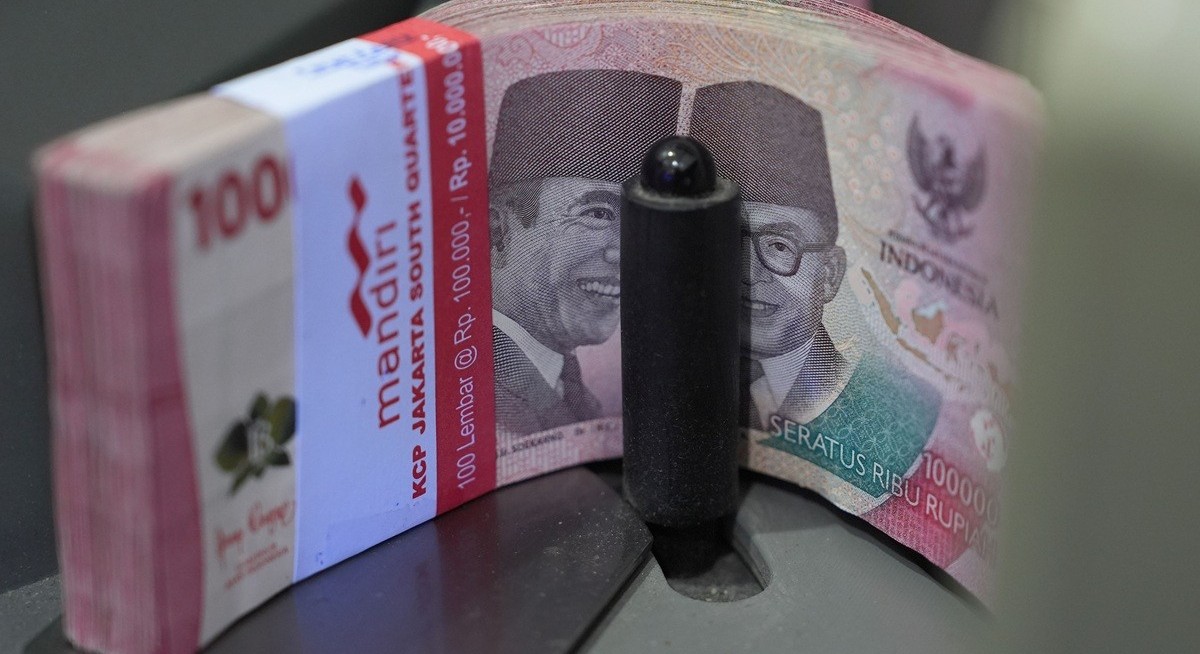
China and Indonesia recently announced they have fully linked their national QR payment networks. This isn’t just about convenience for tourists. Both central banks have identified this as a deliberate move to bypass the dollar. Transactions are settled directly in rupiah and renminbi under their respective local-currency settlement frameworks. There are no US dollars in the settlement chain.
See also: War and AI demand break China’s record of falling export prices
The old rupiah to US dollar and US dollar to Singapore dollar currency transfer system is bypassed. A Chinese tourist can now scan an Indonesian QRIS code with Alipay or UnionPay and pay like a local at over 39 million merchants.
It works both ways. An Indonesian tourist can do the same in China with any of their 33 local e-wallets.
It’s not just tourist-to-merchant; it’s also merchant-to-merchant, business-to-business.
See also: China’s ‘slow bull’ financial sector overhaul
China-Indonesia trade was around US$140 billion ($179 billion) last year. Switching to local currencies saves businesses 2% to 3% on forex and hedging costs.
Across Asean, nearly 45% of China’s trade is already settling in the renminbi. Cambodia has full two-way transactions. Thailand’s PromptPay enables Chinese tourists to scan. Vietnam is NAPAS linked with full two-way coming soon.
Malaysia and Singapore provide this for inbound Chinese visitors, but have yet to develop a two-way settlement like Indonesia has.
Laos has an active digital renminbi pilot programme. More broadly, China’s CIPS now reaches 122 countries and regions.
One-way links are becoming two-way and are then fully integrated. Central banks are testing mBridge for CBDC-based settlement. These changes are developing a parallel financial infrastructure where the US dollar is no longer the only option for business and trade settlement.
Now the QR link covers everything from big commodity deals to everyday retail for coffee, hotels and shopping. The expansion of effacement trade is taking place one scan at a time. Businesses benefit when they are prepared to offer these new settlement paths.

Technical outlook of the Shanghai market
The Shanghai Index is moving sideways. It is finding support near 4,100 and in the long-term group of averages in the Guppy Multiple Moving Average (GMMA) indicator. The uptrend line has provided strong resistance to rebounds.
This is a pullback from the previous uptrend. It is not yet a change in trend direction. This is indicated by the good degree of separation in the long-term GMMA.
This sustained separation indicates that investors enter the market as buyers when the index dips. The probability of a trend change increases when the long-term GMMA contracts in reaction to index retreats. This contraction shows that investors are also becoming sellers as they agree with lower market valuations. This is the key relationship that traders and investors will watch.
The historical support level near 4,100 forms the base for index behaviour. The sideways movement remains part of a longer-term bullish uptrend with an upside target near 4,300.
The uptrend line is acting as new resistance as the index approaches 4,300. A very bullish resumption of the uptrend will move above the uptrend line, using it as support.
The 4,300 target level is calculated by projecting the width of the trading band above the historical support and resistance level near 4,100.
Confidence in the longer-term uptrend is evident in the fact that the long-term GMMA did not compress during the pullback.
The index’s retreat to the upper edge of the long-term GMMA remains consistent with a continuation of this uptrend.
Daryl Guppy is an international financial technical analysis expert. He has provided weekly Shanghai Index analysis for mainland Chinese media for two decades. He is a former national board member of the Australia China Business Council.




