




(March 18): Chinese shares related to OpenClaw jumped, buoyed by bullish comments from Nvidia Corp’s chief executive officer on the potential of artificial intelligence (AI) agents.
MiniMax Group Inc, which just released a new self-evolving agent, extended earlier gains to climb as much as 29% to a record high on Wednesday. Knowledge Atlas Technology JSC Ltd, known as Zhipu, rose as much as 23%, while Cloud services provider UCloud Technology Co also gained in Shanghai.
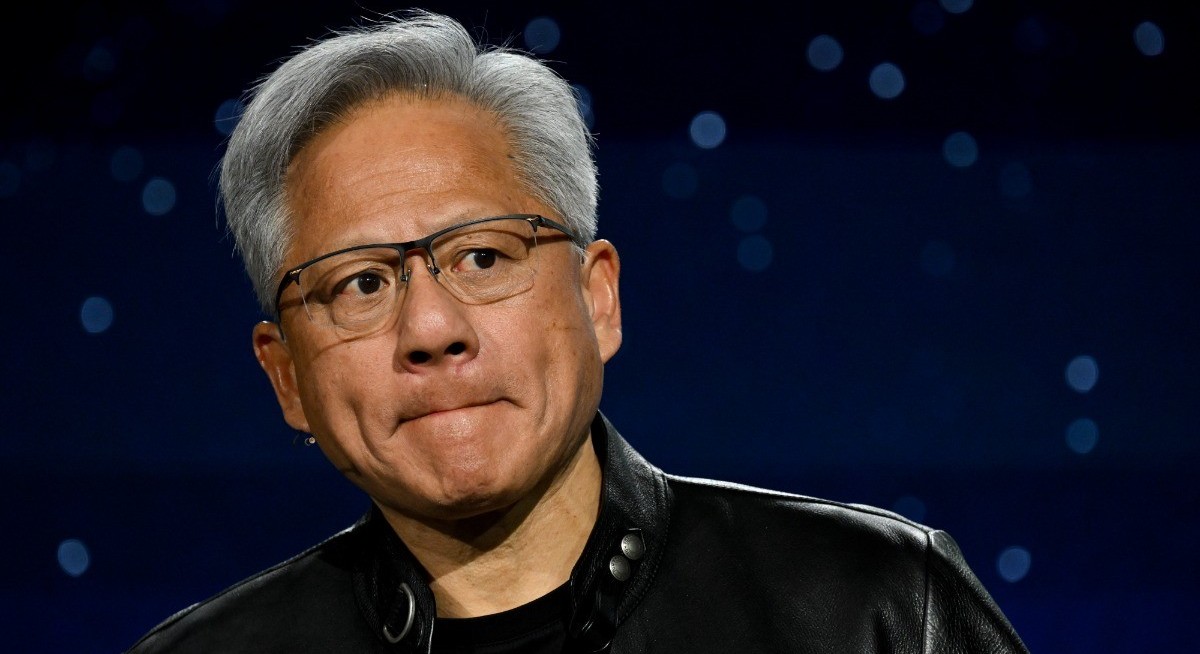
Chinese AI stocks got a lift after Jensen Huang said on Tuesday that OpenClaw is “definitely the next ChatGPT”, describing it as a foundational shift that expands what individuals can do with the technology. The tool has garnered a cult-like following in China, providing a fresh tailwind for the local AI boom kicked off by the launch of DeepSeek more than a year ago.
MiniMax’s latest update on the M2.7 model comes ahead of the next-generation M3, expected in the second half. Its M2.5 has consistently ranked among the better-rated Chinese models. On benchmarking site Artificial Analysis, the model trailed the top open-source offerings from rivals including Alibaba Group Holding Ltd and Zhipu in performance, but its smaller size and lower price made it a popular choice among developers.
“Jensen Huang’s bullish comments about the future of OpenClaw are fuelling optimism over AI agent,” said Steven Leung, an executive director of UOB Kay Hian in Hong Kong. Nvidia’s plan to launch related products also means the “lobster” — the symbol of OpenClaw — fever is just kicking off, he said.

See also: Nvidia CEO says company firing up H200 production for China
Launched in November, OpenClaw is an agent that leverages large language models (LLMs) to perform daily functions. Major Chinese cloud computing providers, including Tencent Holdings Ltd, Alibaba and Baidu Inc, have rushed to offer OpenClaw to their customers, while LLM providers like MiniMax and Zhipu have offered tokens that power the agents.
OpenClaw is an open-source autonomous AI agent platform that does more than the traditional chatbots. Instead of answering questions, these agents can complete tasks, make decisions and take actions with minimal input from users.
Uploaded by Tham Yek Lee




