


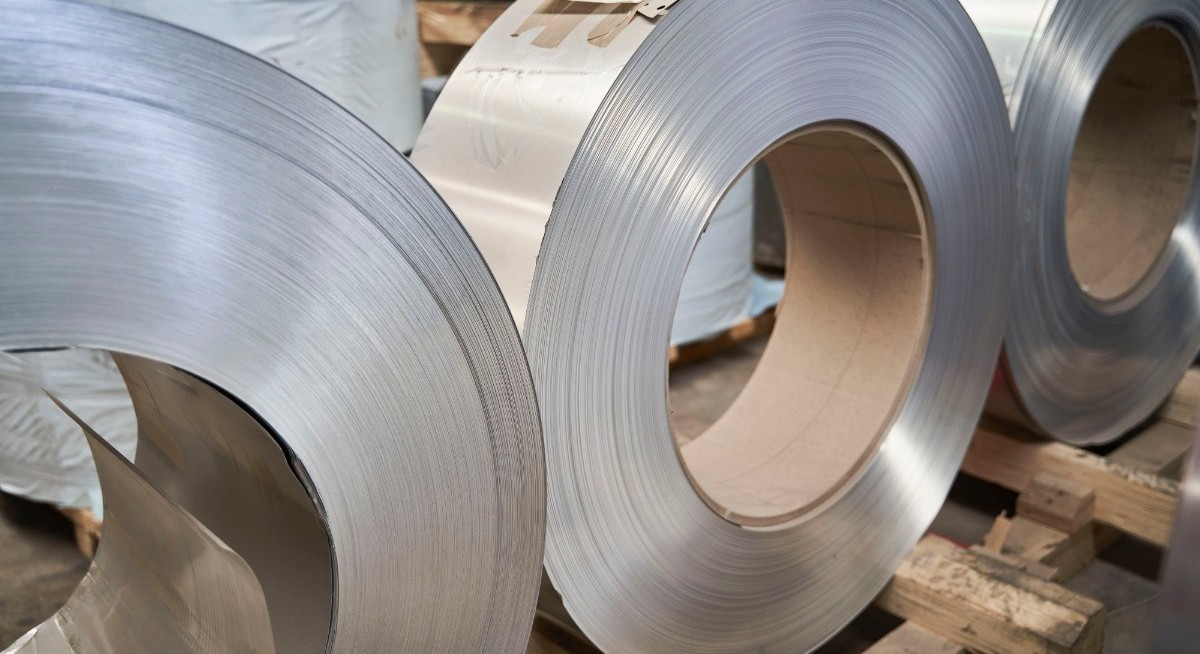


(March 17): Chinese aluminium producers are set to benefit from a rerouting of raw materials away from the Middle East.
The US-Israeli war with Iran is driving more alumina — the precursor refined from bauxite — to China, swelling the country’s surplus and potentially boosting profits at the smelters that turn the material into aluminium.
The near-total halt to shipping in the Strait of Hormuz has choked off supplies to the Middle Eastern producers that account for 9% of the world’s aluminium. Alumina is now “being dumped” on the global market, said Chen Jingmin, an analyst with Shanghai-based broker Zijin Tianfeng Futures Co.
That’s being reflected in prices. Benchmark free-on-board alumina in Western Australia has dropped to US$298 a tonne, its lowest since July 2021.

China, home to the world’s biggest aluminium industry, is an obvious destination for marooned cargoes. The war has propelled prices of the lightweight metal to near four-year highs and lifted Chinese margins to record levels.
See also: China reins in fertiliser exports as war pushes up global prices
The nation is also the world’s top producer of alumina and, in recent years, has been exporting its surplus. The upshot of the rerouting of trade flows, according to Zijin Tianfeng’s estimates, is that total Chinese imports of alumina could climb to 280,000 tonnes in April, with net imports rising to a two-year high of 90,000 tonnes.
There will be more volumes arriving in China, “distorting domestic supplies that otherwise should be up for export", Chen said.
As well as Australia, other large alumina suppliers include Brazil, India and Russia. Even if their cargoes are heavily discounted, shipping costs could still deter buyers. But any pooling of supply in China is sure to help depress costs for smelters and could in turn stimulate more exports of aluminium products to fill the Middle Eastern shortfall.
See also: China’s 30-year yields set for highest close since 2024 on oil
Traders are monitoring whether export orders will rise further from already lofty levels, after fielding more enquiries for semi-finished products from European and US clients since the war began, said Zhang Meng, general manager of Shandong Aize Business Information Consulting Co.
Chinese exports of unwrought aluminium and products surged 13% in the first two months of the year due to rising demand from data centres and solar panels, he said.
Uploaded by Arion Yeow




