




“It seems a bit bizarre; it is something it has to look at; it’s obvious it wasn’t tested,” Fernandes said in an interview Tuesday. “I’m not an expert but it failed at that height. They have to make sure they get the experts or checks.”
Airbus has largely dealt with the brief fallout and disruption from the software glitch, which stemmed from the potential risk for solar radiation to corrupt computer data that helps maintain flight controls. However, the European planemaker’s top-selling aircraft faced a new issue Monday, with revelations of quality issues on some fuselage panels.
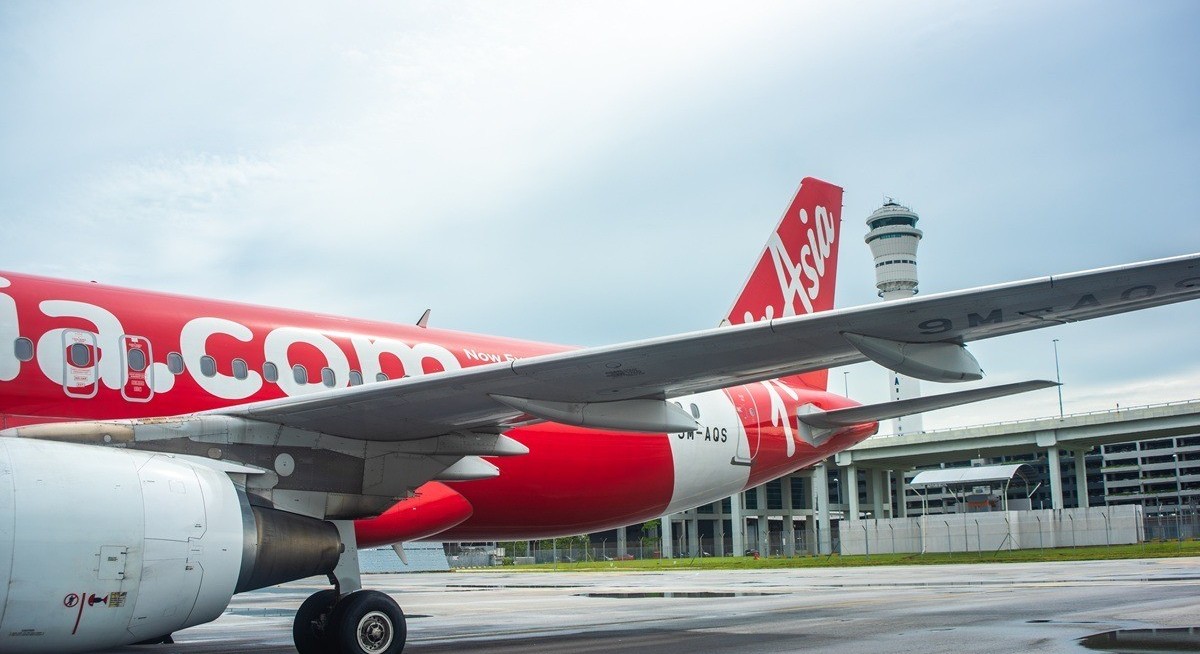
Fernandes said AirAsia wasn’t affected by the fuselage issues, and also suffered “negligible” impact from the need to roll back software updates on 96 of its more than 210 single-aisle aircraft.
The software incident was a “good warning” to the industry at large, to ensure it has its priorities right, given the challenge of delivering more and more planes and meeting financial targets, he said.
See also: Saudi Arabia explores giant jet purchase from Airbus, Boeing — Bloomberg
Planemakers should “take a step back and make sure you can handle this ramp-up; make sure you test software properly, don’t rush,” Fernandes said in a separate interview with Bloomberg Television. “The pressures of quarterly results, sometimes the pressures of competition, probably the quality drops a little bit.”
The Toulouse, France-based Airbus is racing to meet its annual delivery goal of 820 aircraft. Airbus delivered about 70 planes in November, according to people familiar with the figures, leaving the company needing to hand over about 165 in December, which would mark a record.
Airbus was contacted for comment.
See also: Boeing to cut around 300 defence supply chain jobs — Bloomberg
AirAsia operates around 240 mostly single-aisle jets and has orders for almost 400 more Airbus aircraft. On top of that, the budget carrier in July tentatively agreed to buy up to 70 extra-long range single-aisle jets.
The company is planning a further order of 150 regional jets and is deciding among Airbus, Embraer, or Commercial Aircraft Corp of China Ltd. Fernandes said this latest planned order is still months away, while engine choices could sway its final decision.
Uploaded by Liza Shireen Koshy




