


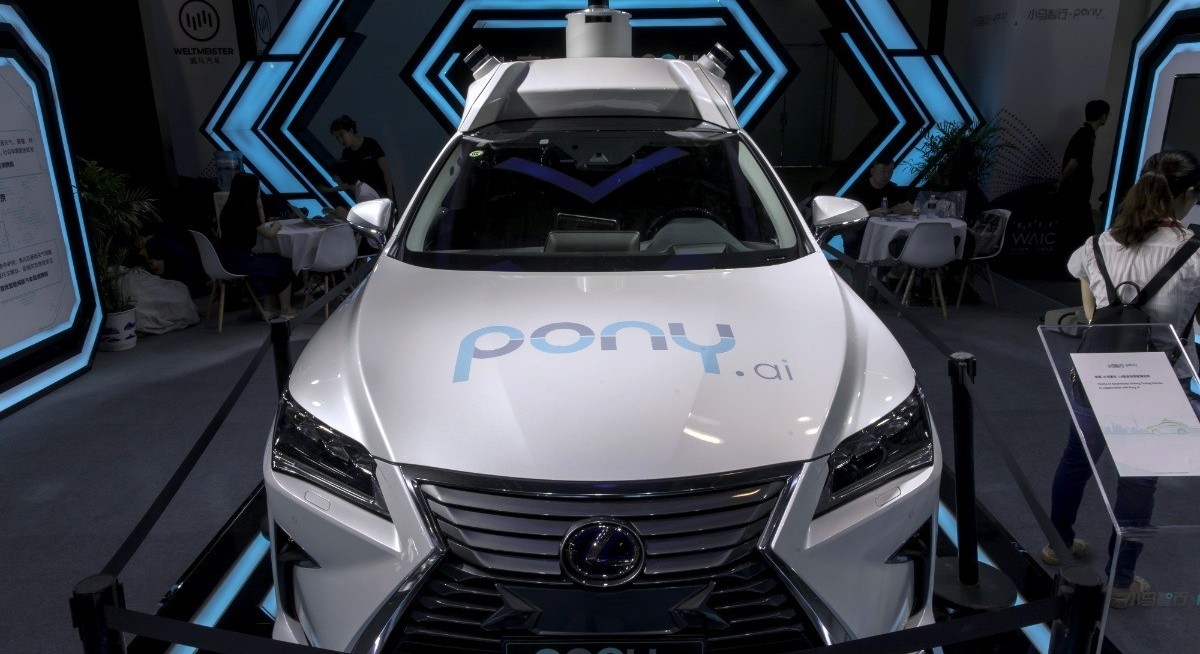


“We are making front-loaded investment to drive our commercialisation at a quicker pace,” said chief financial officer Leo Wang, according to the statement.
Though the investment gain wasn’t specified, a Pony AI unit is an early investor in Chinese chip designer Moore Threads, whose shares surged as much as 425% when it went public in December.
The global robotaxi race is heating up, with players in China and the US leading deployment. Alphabet Inc’s Waymo has expanded to 10 cities in America, while Chinese companies such as Pony AI, Weride Inc and Baidu Inc’s Apollo Go are working with partners such as Uber Technologies Co and Lyft Inc in markets such as the Middle East and the UK.
Pony AI has set a goal of deploying robotaxis with partners in more than 20 cities worldwide this year. The company said late last year it plans to grow its global fleet to 3,000 in the same time.
See also: Volvo eyes US$3 bil autonomous truck business in five years
Uber and Pony AI, as well as local startup Verne, are planning to launch robotaxis soon in the Croatian capital of Zagreb, making it likely to be the first European city to have a fare-charging self-driving cab service. Pony AI is also conducting trials in Luxembourg, while Uber and Baidu are testing in London.
After achieving break even on a per vehicle basis in Guangzhou and Shenzhen after the launch of its seventh-generation robotaxi model, the technology firm plans to replicate the business model globally and to more cities in China.
“The foundation we have established in China will enable us to replicate this model in overseas market and build dual growth engines to support our next phase of accelerated growth,” said chief executive officer James Peng.
Uploaded by Felyx Teoh




