


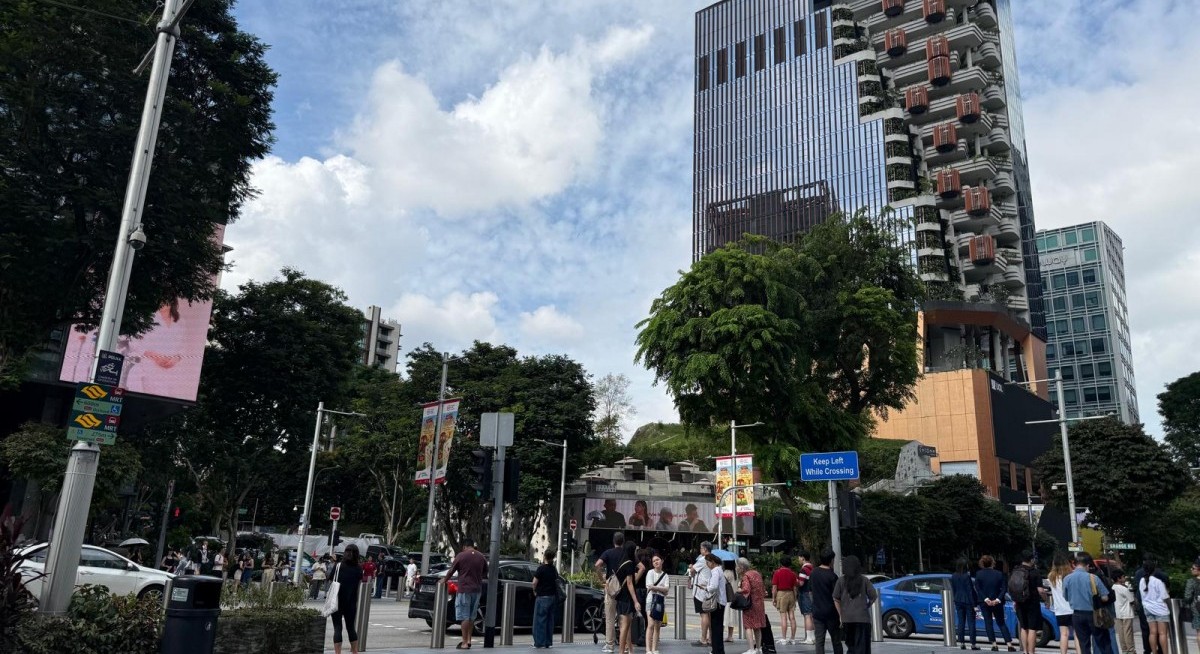


Since then, the government has been working with private-sector stakeholders on various rejuvenation efforts. These include the launch of Trifecta (positioned as Asia’s first lifestyle destination for surfing, snowboarding, skiing and skateboarding under one roof) and the redevelopment of the open-air car park at Grange Road into US entertainment giant Live Nation’s first purpose-built music venue in Asia, awarded via tender to Lendlease Global Commercial REIT.
Additionally, the 1.3ha Istana Park will be expanded into a destination park, combining adjacent open spaces and a pedestrianised section of Orchard Road to become a family-friendly lifestyle zone, complete with a rustic nature play garden.
“As Orchard Road continues to evolve in response to changing consumer preferences — particularly the growing demand for experiential and distinctive experiences, the changes underway are designed to set Orchard Road apart from the typical mall experience, making it more dynamic and better-positioned to compete as a world-class lifestyle destination,” says Ashlynn Loo, director, land and concept development, at STB.
Selling the Singapore experience
For decades, Orchard Road was the undisputed retail heartbeat of Singapore, the place to be for luxury options, essential picks and everything in-between. As it evolves from a premier shopping street to a larger lifestyle ecosystem, there is an emerging new blueprint of what could be.
Amid all this, another question is surfacing: who stands to gain — shoppers, or the landlords and retail tenants driving the transformation?
At first glance, the refresh is universally positive — more energy, more experiences and more reasons to visit.
See also: Amazon Prime Day total online spending beats estimate on day one
For shoppers, the benefits are immediately visible. On paper, a refreshed precinct will bring novelty and vibrancy. Interesting concept displays and new-to-market offerings could create a greater number of reasons to visit the area, hopefully for more immersive, less transactional experiences.
Such initiatives are likely to draw Singapore residents — who make up the largest proportion of visitors — to the area.
Meanwhile, from a market perspective, landlords and retail tenants’ gains are more structural by nature. The area’s rejuvenation will strengthen the long-term value of their properties, either through rental prices or greater flexibility in terms of how spaces can be used.
Minister-in-charge of Trade Relations Grace Fu recently shared that as part of the Orchard Road Rejuvenation Initiative, the shopping belt’s stakeholders, such as mall owners, may be given funding to execute ideas that bring more footfall to the area.
But the reality is a little more nuanced, as these gains come with caveats. The bigger challenge waiting to be addressed is that Orchard Road’s new offerings must compete not only with its past self, but also a global standard of experience.
The advent of e-commerce has further reduced its retail monopoly, and within Singapore, consumers can find strong retail and lifestyle propositions in Marina Bay, Jewel Changi Airport and neighbourhood enclaves.
At the same time, regional cities such as Bangkok, Seoul and Shanghai offer compelling shopping experiences of their own.
Also, as lifestyles evolve, it takes more than a shopping errand for people to visit an area; destinations should ideally serve multiple functions, allowing visitors to dine, shop, recharge, work, discover experiences and run errands — all within the same trip. F&B operators, wellness concepts and social spaces will become critical pillars that entice visitors to stay, and not just spend.
A new blueprint beyond retail boundaries
Collective rejuvenation efforts must foster Orchard Road’s everyday appeal outside of peak hours. Current visitor patterns are predominantly driven by weekend crowds, tourist arrivals and seasonal retail cycles. In between, the day-to-day rhythm of visitors is uneven at best. Moving forward, cultivating frequent, interest-driven visits is imperative, says Leonard Tay, head of research at Knight Frank Singapore.
“The number of repeat visitors must increase to anchor daily presence, which Orchard Road currently lacks,” he explains, adding that part of the solution may lie in an overlooked segment: older but less occupationally costly buildings.
“Not all buildings along Orchard Road are shiny malls that transmit luxury and affluence. Buildings that are older and are under vacancy pressure could meet the specific space needs of niche boutique users in a landscape of more glitzy malls,” adds Tay. “For instance, student workspaces, informal performance zones, repair shops and hobbyist clubs are not footfall drivers in the profit-making sense, but could create repeat users.”
Tay also believes there is the opportunity to reframe strata-titled shop spaces as experience-led, limited micro assets. The shift toward curated retail clusters and differentiated precincts such as lifestyle, wellness and experiential concepts allows proactive owners or consortiums to align their units with broader asset enhancement strategies.
Tellingly, the way spaces are being used is already a growing differentiator. For instance, the redevelopment of Tanglin Shopping Centre into a venue combining retail, office, wellness and cultural uses with new hospitality concepts and public space initiatives reflects how different spending occasions and visitation patterns could be better captured.
Along the way, brands can respond to the changing needs of demographics, from luxury tourists, business travellers and local residents to Gen Z consumers and families looking for alternative experiences.
Similarly, the impending redevelopment of 37 Emerald Hill sends a strong signal about the direction Orchard Road is taking. The adaptive reuse of the former Singapore Chinese Girls’ School site points to a more heritage-conscious and community-oriented model of renewal.

Calls for tender will be launched for the space to be transformed into a mixed-use development featuring unique hotel concepts, lifestyle, retail and F&B offerings and public spaces that will honour its rich heritage. This is significant, suggesting that the precinct’s next chapter will not be built on retail floor area alone.

Delivering a distinctive Singapore experience
Today’s retailers must also compete not only on tenant mix, but energy and memorability. Strong footfall and flagship tenants have lost relevance as success metrics. Retailers will increasingly need to think in terms of exclusivity and collaboration: Dynamic, photogenic spaces that serve as strong motivators to linger; creative installations and attractions that reach diversified audiences; and clever concepts that eventually become part of habitual routines.
This is where ready-to-use pop-up spaces and unconventional retail stores could be impactful. Through lowered barriers to entry for local brands and novel concepts, these “plug-and-play” spaces can inject freshness and playful experimentation while creating a faster cycle of discovery.
Tay adds: “As consumer preferences tilt toward curated experiences and destination retail, strata shops that offer unique ‘hole in the wall’ concepts branded alongside ‘only in Orchard’ experiences could capture attention despite smaller footprints. When strata owners collectively adopt stronger tenant curation and coordinated thematic placemaking, these units can ride the wave of the district’s renewed branding. Strata commercial properties are versatile by nature. Collectively, they could create a collegiate hive of diversity.
“Meanwhile, strata retail units for shops, F&B, entertainment, health and wellness, sports/exercise hubs, physical and mental therapy outlets, and jamming studios offer flexibility that can be attractive as Singapore matures. The melting pot of various cultures and a tech-savvy younger generation spawn interest groups that require bespoke space for a wide span of activities. As these cultural, social and interest group activities morph into business ventures, strata commercial properties could benefit.”
Success belongs to destinations that can curate not just products, but emotion, engagement and repeat visits. It’s time for retailers to become storytellers, landlords to put on their placemaker hats, and precincts to function as living ecosystems — and not just rows of shiny shopfronts.
If Orchard Road can deliver on its vision of the future, its rejuvenation could become a case study in how legacy shopping streets can reinvent themselves for a new era of consumer behaviour.
Alice Tan is head of consultancy at Knight Frank Singapore




