


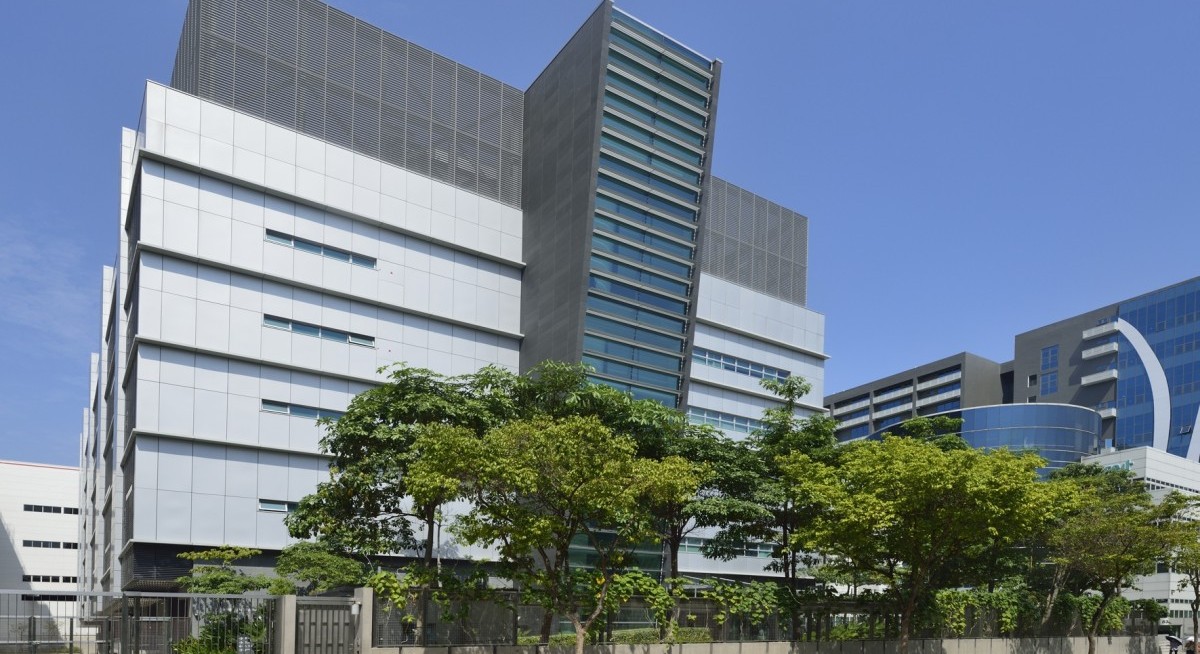


Installed IT power capacity is expected to reach 94.4 gigawatts (GW) by 2028, representing a five-year CAGR of 14.2%. Citing International Data Corporation (IDC) data, Na notes that the region’s rate of expansion “is unmatched in other global regions”.
“If you want to understand where the world’s digital future is being built, you no longer look to Northern Virginia. You look to Asia-Pacific,” he writes in the Asia Pacific Real Assets Association’s (Aprea) 63-page report titled The Road Ahead for REITs, released earlier this month.
‘New economy’
The rapid expansion is reinforcing investor interest in “new economy” real estate sectors, which are increasingly becoming an important component of listed real estate portfolios, says Sigrid Zialcita, CEO of Aprea. “Investors are increasingly allocating capital towards sectors linked to digitalisation, supply-chain modernisation and technological innovation.”
See also: Data centre developers expected to increase fuel cell investment tenfold to US$30 billion by 2030
The “new economy” sectors include data centres, logistics facilities, healthcare real estate and build-to-rent housing — asset classes that are supported by long-term structural trends such as digitalisation, demographic shifts and technological innovation. Among these sectors, data centres have emerged as one of the “most compelling opportunities”, adds Zialcita.
The proliferation of AI and acceleration of cloud adoption are driving demand for digital capacity. As that demand climbs, institutional investors are “zeroing in”, adds TMF Group’s Na.
Governments are also treating digital infrastructure as a strategic imperative. India has introduced a national data centre policy and expects the sector to exceed 4,500 megawatts (MW) by 2030, backed by US$20 billion to US$25 billion of investment.
See also: STT GDC expands Jakarta data centre campus, training efforts for Indonesia’s AI buildout
Meanwhile, Malaysia is actively marketing Johor as a regional data centre hub, while Indonesia has established special economic zones specifically for data centre projects.
As institutional investors seek exposure to the sector’s growth, data centres are increasingly being viewed as a viable REIT asset class.
Unlike traditional office or retail properties, data centres operate at the intersection of technology, energy and infrastructure, giving investors exposure to sectors that are otherwise difficult to access, says Aprea.
They also offer long-term leases, often ranging from 10 to 20 years, with tenants that include hyperscalers such as Amazon Web Services, Google and Microsoft.
Across Apac, hyperscale footprints are expected to grow rapidly, with the region already accounting for around 27% of global hyperscale capacity, according to KPMG.
Lower regulatory barriers
However, the penetration of data centres within listed real estate markets remains relatively limited, notes Kenji Utsumi, partner at Nagashima Ohno & Tsunematsu.
In Japan, for example, there are currently no J-REITs primarily focused on data centres. “Instead, mixed-use REITs and industrial facility REITs hold only a minor portion of their portfolios in data centres,” writes Utsumi. “Virtually very small investments exist in healthcare, data centres or other sectors.”
Among assets other than those in traditional sectors, logistics facilities and hotels account for 19.9% and 11.1% of J-REIT investments respectively, he adds.
The gap in the Japanese market has become apparent as digital infrastructure grows in importance. In July 2025, NTT Data Group listed NTT DC REIT in Singapore through its subsidiary, bypassing the J-REIT market. Utsumi suggests this was partly due to regulatory hurdles surrounding J-REIT investments in operational assets, such as data centres.
However, Utsumi expects improvements to come. Japan’s Financial Services Agency issued interpretive guidance in 2025 stating that these facilities constitute real estate if certain requirements are met.
To be eligible as a J-REIT, more than 50% of capital needs to be invested in real estate.
This move ensures legal stability in the interpretation of J-REITs’ acquisitions of operational assets, such as data centres, and simplifies the process of raising capital for data centre initiatives. By doing so, companies may find it easier to secure funding for data centre projects.
The Asset Management Association of Japan is also considering changes to distribution rules that would make it easier for REITs to hold operational assets with significant depreciation costs, another step that could facilitate greater investment in data centres.
Under current regulations, REITs can generally refund up to 60% of depreciation expenses. The association announced on April 9 that it is considering raising the limit to 100%, a move that could facilitate greater investment in data centres and other operational assets in Japan.




