


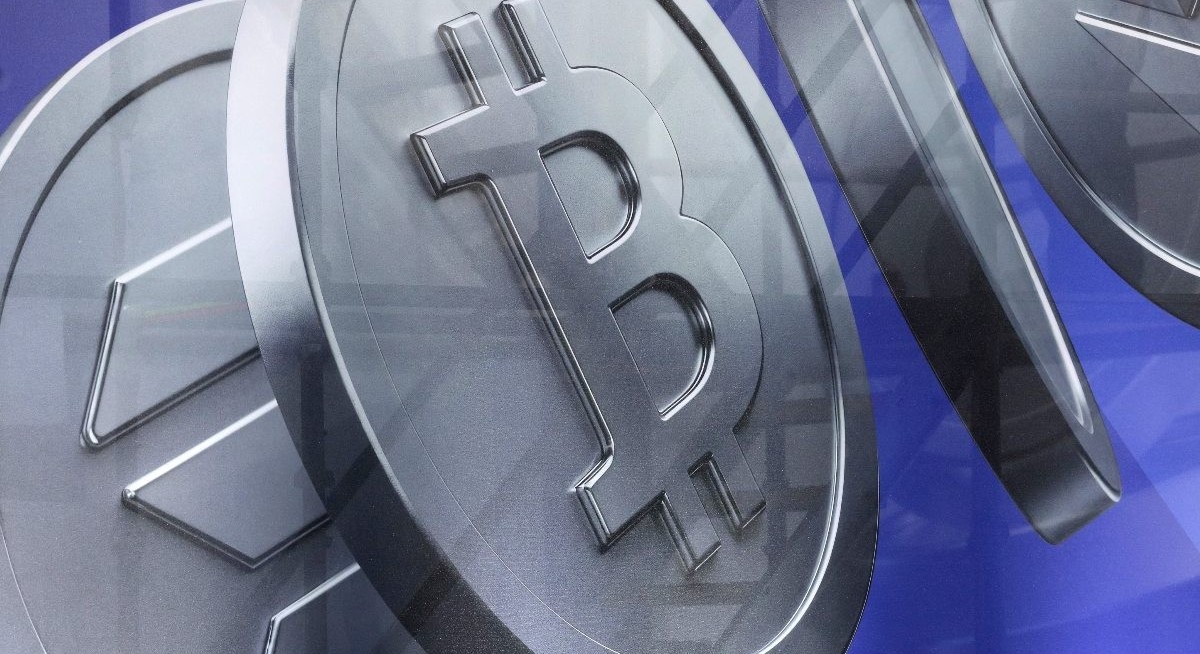


Stablecoins are private digital representations of fiat currency. They are pegged at 1:1 to USD or other fiat currencies, and are backed by cash or short-term government securities. Yes, some are backed by opaque reserves, which should be avoided.
The usefulness of stablecoins is that they act as a fast, widely used and low-cost digital payment and settlement solution, offering price stability and a bridge between crypto and the real economy. Their weaknesses are that stablecoins are effectively pegged to fiat currencies, with counterparty risk and regulatory exposure.
Central bank digital currencies (CBDCs) are the digital form of sovereign money, issued directly by the central bank, like cash. They effectively modernise payment systems, maintain monetary sovereignty and improve financial inclusion.
Their advantages include no credit risk, legal tender status and completely stable prices. Their disadvantages are the same as holding cash or money in the bank: privacy concerns, reliance on trust in governments and banks, and fiat debasement.
See also: The great misreading of China: Why exports are a consequence, not a strategy
In short, cryptos, stablecoins and CBDCs are not competing versions but occupy different layers of the monetary stack. CBDCs are the base layer as state money; stablecoins are for settlements (private but regulated); and cryptocurrencies are the speculative and alternative asset class. In other words, CBDCs formalise trust in the state, stablecoins borrow trust from existing money, and cryptocurrencies replace trust in institutions with blockchain technology. It is likely that they will each have a role, one layering on top of the other. CBDCs will co-exist with cash and bank deposits, stablecoins will be regulated for more efficient payments and settlements, and cryptocurrencies will remain volatile as a niche hedging instrument.




