


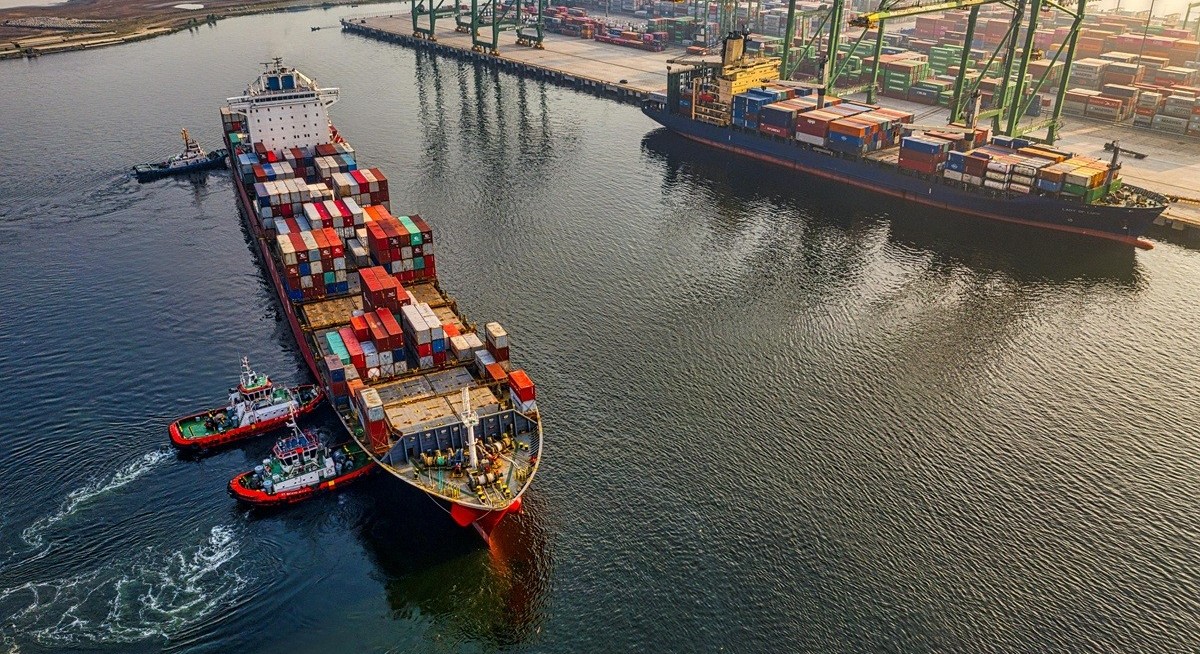


“Geopolitical conflicts have become bigger drivers of the shipping industry in recent years compared to underlying industry fundamentals,” says Raman Singla, Fitch’s director of corporate ratings. “We expect container shipping fundamentals to weaken in 2026, while other shipping segments should remain stable.”
The report explores the possibility of a resumption of Red Sea transits leading to a reduction in tonne-mile demand, although it has “limited visibility” on this possibility.
“If the existing vessels using the Cape of Good Hope route return to the Suez Canal route, effective capacity could increase by low double-digit percentage, with a large impact on rates,” notes the report.
Fitch also explains that the tariff war has “moderated” expectations for volume growth, in particular for container shipping. It notes that the impact should be “negative”, with rising trade protectionism potentially modifying trade flows and restricting demand for high-margin or critical products over the medium term. There is a possibility of opening new trading corridors to mitigate the impact of tariffs, notes the report.
See also: Men with a vision
Delving deeper, the report projects container shipping freight rates to weaken in 2026 but tanker shipping to hold steady, with crude tankers expected to thrive, backed by demand growth. The bulk tanker segment is expected to show signs of weakness but still stable on a fundamental basis, while other segments such as LNG and car carriers are predicted to remain “broadly stable”.
On vessel newbuilds, the report notes that orderbooks that moderately increased. However, with vessel scrappage on the low side, overall capacity is expected to rise.
The postponement of adopting the International Maritime Organisation’s net zero framework offers temporary reprieve for the sector. If it comes into effect in 2026, the report notes that this could put pressure on shipping bottomlines in the medium term and alludes to increased costs for consumers.




