


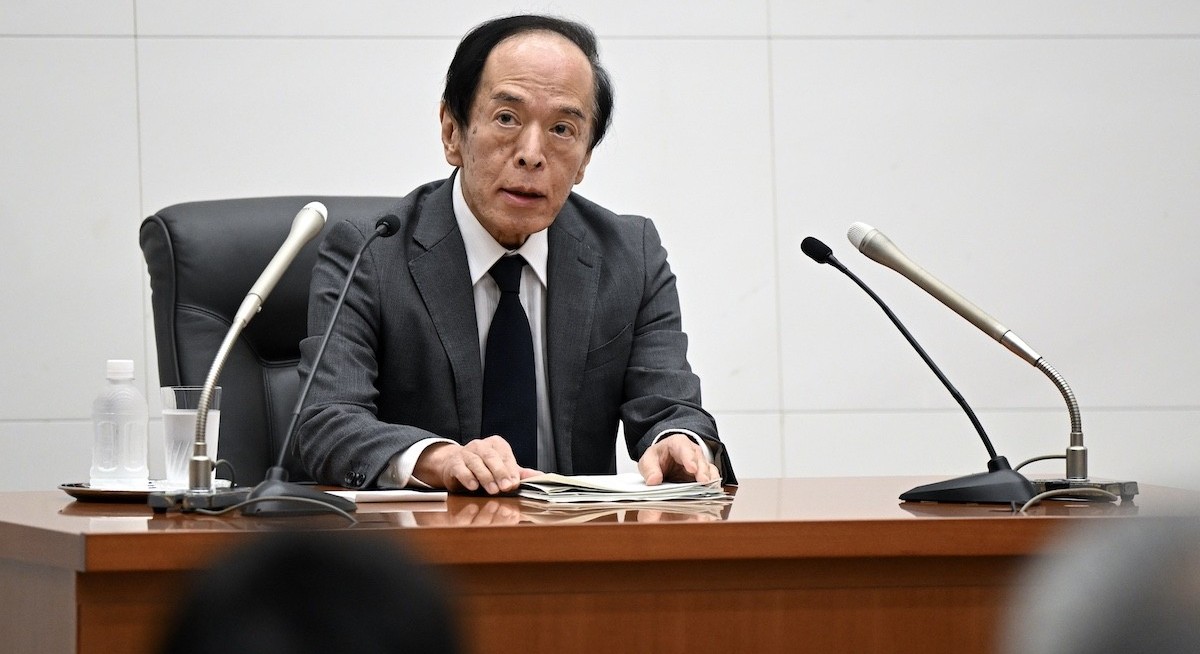


Hirofumi Suzuki, chief FX strategist and head of a research group in treasury at Sumitomo Mitsui Banking Corporation (SMBC), says the decision “was in line with market consensus expectations and therefore not a surprise”. Suzuki adds that the BOJ has explained the hike “largely in terms of the initial momentum in this year’s Shunto (spring wage negotiations)”, aligning with Governor Kazuo Ueda’s earlier guidance. On the outlook, Suzuki expects the BOJ to keep moving but not to rush: it is likely to continue hiking gradually without explicitly stating a terminal rate, and “a rapid pace of tightening is not expected”, which, in Suzuki’s view, means downward pressure on the yen in the FX market is likely to remain persistent.
For global investors, the question is not simply whether the BOJ hikes again, but whether it can do so while managing the currency, domestic growth and market stability. Masahiko Loo, senior fixed income strategist at State Street Investment Management, frames the challenge as communication as much as policy: “The BOJ’s 0.75% hike is a foregone conclusion but the real story lies in Ueda’s tone. Striking a balance between dovish and hawkish is critical — too soft could make the yen weaken further, overly hawkish could risk the markets to repeat the July 2024 selloff.” Loo adds that JGBs are set to stabilise with strong technical support and attractive yield pickup is driving foreign inflows, while fiscal discipline and domestic funding keep Japan’s debt picture resilient.
State Street’s Krishna Bhimavarapu, APAC economist, also links Japan’s path to the US cycle, arguing that relative policy may matter more than absolute levels. “The BoJ’s policy rate has approached an inflection point where consistency in normalisation matters more than simply catching up,” Bhimavarapu says. “By 2026, faster policy cuts in the US could make the BoJ’s gradual hikes appear less behind the curve as convergence accelerates.” Bhimavarapu anticipates strong macro tailwinds in Japan next year, reinforcing the BOJ’s commitment to normalisation even if the Fed continues to ease, and adds that this could unfold even as balance-sheet normalisation gathers pace.
Meanwhile, Carol Lye, portfolio manager and senior research analyst at Brandywine Global, says the BOJ was expected to hike due to a weak yen and still-strong inflation trend, but adds that participants have already priced in the rate hike and a terminal rate of around 1.5% by FY2027. Lye points to domestic data that supports the BOJ’s confidence, including a Tankan survey showing corporates remain confident about capital expenditure and Shunto wages for next year that are on track to match this year’s levels. With negative real policy rates and a relatively firm economy, Lye says the BOJ is likely to remain in hiking mode next year as long as inflation momentum remains strong.
See also: Local firms powering Singapore’s strong green revenues
On the yen, Lye is cautious about assuming BOJ policy alone will deliver a sustained rally. She says, “the dollar and Fed policy may drive yen to a greater extent”, and that a pickup in global growth combined with central banks pausing could revive carry trades. She adds that if the BOJ turns more hawkish by publishing estimates on neutral or terminal rates, the yen may outperform, but if the yen weakens towards 160, signs of intervention by the MOF may increase.
On the other hand, Louise Dudley, portfolio manager, says expectations of a hike may limit near-term yen gains, but support can come from cycle timing, noting that today’s US inflation figures point towards a cut in the US, which can support a stronger yen. Dudley says the BOJ must balance stimulus linked to Prime Minister Sanae Takaichi with containing inflation, and adds: “We don’t expect the BOJ to pre-empt inflation by being more aggressive with rate hikes, but do see them taking a reactionary approach should the stimulus be inflationary.” Dudley also flags risks from tariffs on Japan’s export-heavy economy and from the cost of servicing debt as rates rise, though she says that risk is abated by the BOJs consistent and considered approach to rate hikes.
Some, however, think markets may still be underestimating how far the BOJ goes. Vincent Chung, co-portfolio manager for the Diversified Income Bond Strategy at T Rowe Price, says the market has shifted expectations forward, moving the next hike from January 2026 to December 2025, and that pricing now reflects only one hike expected in 2026. “However, we anticipate the BoJ will hike rates more aggressively than the market expects, with the potential for two hikes in 2026, largely due to persistent real negative interest rates,” Chung says. He adds that Japan’s economic performance has been slightly better than consensus even as it slows, and that inflation remains persistent with upward pressure from wage inflation. On FX, Chung says the market has moved away from focusing on the correlation to the interest rate differential between the US and Japan, but he believes reduced carry pickup would lessen the appeal of shorting the yen, with any near-term yen weakness from less hawkish guidance likely to be temporary.
Credibility is another recurring theme. Sam Jochim, economist at EFG, says The BoJ’s credibility was starting to be called into question by markets as inflation is set to remain above its 2% target for the fourth consecutive year. Jochim argues this is a structural change in Japan’s economy and that the BOJ had appeared constrained by political developments and was falling behind the curve. Still, he points out the central bank also emphasised that interest rates remain low, and that policy is still accommodative even after the hike. “This move can therefore be viewed as the BoJ easing off the accelerator rather than stepping on the brake,” Jochim says, adding that there is room for further increases next year. Like several others, Jochim ties timing to Shunto, saying it is unlikely there is another hike before June and that the pace will remain very gradual.




