




There is certainly nothing we can do to alter the course of these behemoths. We have no influence over policy, nor any command authority over ships and aircraft attacking Venezuela or potentially Greenland. That does not mean, however, that these events will not affect our ability to do business globally and particularly with China.
Three examples illustrate some of the potential impacts. The more than three million Chinese tourists in 2025 are a significant component of tourism arrivals, and many of them travel on American-built aircraft. A US restriction on the export of aircraft maintenance parts and software upgrades needed to keep the Boeing fleet operational in China would directly affect Singapore’s tourism sector by limiting flight capacity from China. Unthinkable? So too was the US snatch kidnapping of a head of state.
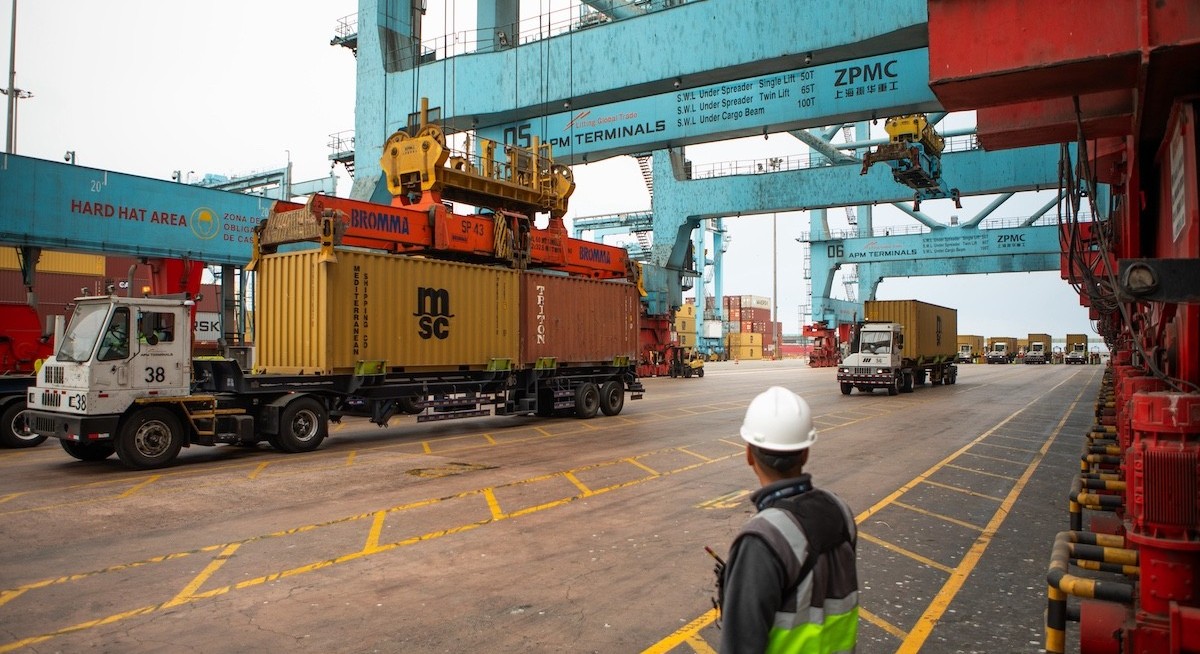
The second example is already partly underway. President Donald Trump is determined to interrupt and hinder China’s economy, and that includes shipping. Low-level charges have already been imposed on China-built ships docking in American ports. These port charges create additional costs, which are passed on as freight charges.
Currently, they are best described as nuisance taxes, but that could change on a whim with the flick of a presidential pen. These charges and levies have the potential to rise dramatically, affecting the economics of exporting to the US market.
See also: Epic Fury vs True Promise
The third example is the very mechanisms of cross-border trade settlement. China is determined to move away from reliance on the US dollar-dominated SWIFT settlement system for international trade. The SWIFT system settles trade in US dollars through intermediary or co-respondent banks in the US.
China is slowly and diligently building an alternative Renminbi-based trade settlement process, most recently through oil payment agreements in the Middle East. China is applying pressure on major commodity producers to settle contracts in Renminbi. Several Australian iron ore exporters have accepted these conditions.
Singapore and China recently announced a new set of financial and capital markets initiatives aimed at strengthening cross-border connectivity, expanding investment channels and deepening cooperation between the two markets.
See also: The time has come to shutter the World Economic Forum
As part of this, DBS Bank has become the country’s second Renminbi clearing bank, further facilitating the use of the Chinese currency for trade, investment and other economic activities across the region.
This year opens with a level of uncertainty not seen since Covid-19. The rules-based order and the stable trade environment it supported are disintegrating with every news headline. This does affect trade with China. It is too early to assess these impacts accurately, but it is not too early to start paying closer attention to events, because businesses will need to make a China choice in 2026.
Technical outlook for the Shanghai market
After hovering around the support resistance level near 3,888, the Shanghai Index has metaphorically shaken itself out of lethargy and developed a new strong rebound rally that has touched the 4,100 target we set several weeks ago.
The weekly chart provides the broad view and has two components. The first component is trend analysis. This is a combination of trend line analysis and the Guppy Multiple Moving Average (GMMA) indicator.
Trend line placement is difficult. Trend line A rests on two anchor points, but it starts midway down the index dip in April 2025. This trend line needs a third anchor point before we can treat it with full confidence.
The GMMA is a more reliable indication of trend behaviour. The long-term group of moving averages is widely separated. This suggests strong investor support for the trend. When the index dips, investors regard this as a buying opportunity and quickly come back into the market.
For more stories about where money flows, click here for Capital Section
There is increased confidence in the trend rebound. This is shown by the increasing separation in the short-term group of averages.
The degree of separation between the two groups of averages is comparatively steady. This suggests trend stability.
Defining the nature of the trend is the first step in analysis. The second component is to establish potential targets where the index may pause. The Shanghai index moves in well-defined trading bands. The width of the band is measured and the value projected upwards to set the next target level. The breakout above 3,900 has a calculated target of 4,100. This was achieved. The market may hover around this level before continuing with the uptrend.
The GMMA relationships suggest there is a strong probability of uptrend continuation. The breakout target calculated using trade band analysis is set at 4,300.
Trade band analysis does not tell us how the target will be reached. The behaviour of the market is reflected in trend analysis, and this remains bullish.

Daryl Guppy is an international financial technical analysis expert. He has provided weekly Shanghai Index analysis for mainland Chinese media for two decades. Guppy appears regularly on CNBC Asia and is known as “The Chart Man”. He is a former national board member of the Australia-China Business Council. The writer owns Chinese stock and index ETFs




