


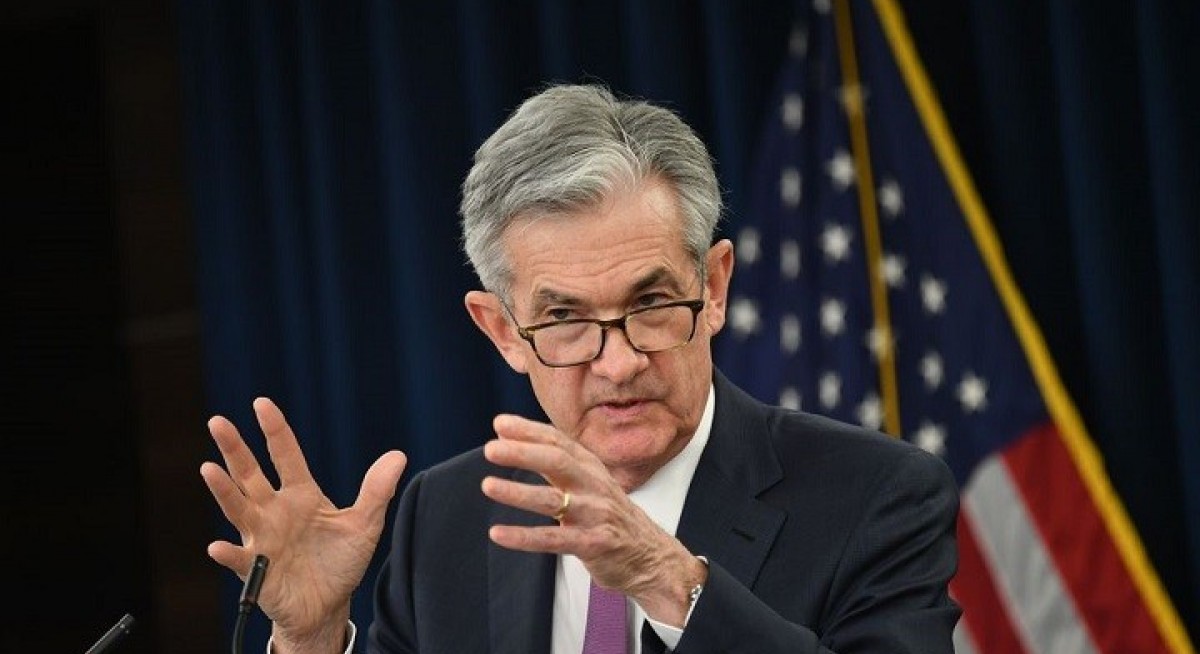


Speaking to the American people on Sunday, Jan 11, Powell said the US central bank had been served grand jury subpoenas threatening a criminal indictment related to his June congressional testimony on renovations of the Fed’s headquarters. In his strong response, he characterised the scrutiny of the renovations and his testimony last year as mere pretexts.
“The threat of criminal charges is a consequence of the Federal Reserve setting interest rates based on our best assessment of what will serve the public, rather than following the preferences of the President,” Powell said on Sunday. “This is about whether the Fed will be able to continue to set interest rates based on evidence and economic conditions — or whether instead monetary policy will be directed by political pressure or intimidation.”
Decades of experience have demonstrated that independent central banks deliver the best outcomes, both in the US and abroad. Without adequate firewalls, presidents can use the central bank to juice the economy and boost their electoral fortunes, leaving an inflationary mess for subsequent administrations. That was the case with Richard Nixon, who appointed his former economic counselor Arthur Burns as Fed chair and joked about lower interest rates at Burns’ swearing in ceremony. It took decades to build back the Fed’s credibility, an asset that Trump seems intent on squandering.
Trump’s demands for vastly lower rates defy the economic reality. Policymakers are juggling lingering inflation with a wobbly labour market, all while trying to size up the economic impacts of a massive shift in global trade policies and an artificial intelligence revolution. In response to the uncertainty, they have been prudently cutting rates very gradually, and may conceivably lower them further if the economic data demands it. Trump, by contrast, wants to throw caution to the wind and rapidly ease policy at the risk of reigniting inflation.
See also: Treasuries decline as Trump’s Iran threats stoke inflation fears
Fortunately, Powell is no Burns. The Fed is also getting some help from Senator Thom Tillis, who promised to oppose any Trump nominees to the Fed “until this legal matter is fully resolved”. At a time when Trump is poised to nominate a new Fed chair, that could prevent the president’s candidates from advancing out of the Senate Banking Committee.
Powell should now buck tradition and strongly consider serving out his term on the Board of Governors until 2028 after his chairmanship ends this May. He has proved to be a powerful moral leader of an institution under fire, and his vote would help create a bulwark against further Trump meddling.
For Congress, Trump’s attacks are a reminder of why lawmakers must demand absolute independence from any future chair. That could create additional doubts about candidate Kevin Hassett, Trump’s National Economic Council director. It should also make lawmakers more enthusiastic about Governor Christopher Waller, the candidate with the strongest record of sound data-based policymaking.
See also: US jobless claims edge down in sign of job market resilience
In a demonstration of how foolish and self-destructive the Justice Department manoeuvre is, the Fed news initially prompted the S&P 500 Index to retreat and yields on the 10-year Treasury note to rise. While the Fed sets short-term policy rates, mortgage rates and other long-term borrowing costs are set by the market. Ill-advised rate cuts can actually lead to greater interest expenses for consumers.
Even so, the stock market was already recovering just an hour after it opened, and no one should bank on financial markets to discipline the president. Traders have been schooled by Trump’s tariffs to not take too seriously the administration’s every move, but the long-term damage of diminished Fed credibility should not be underestimated.
For now, it is far from clear that the Justice Department’s actions would fundamentally change the near-term trajectory for monetary policy. That’s because public servants such as Powell and Tillis have been willing to stand up to Trump’s misguided bullying. It’s also because the Fed is staffed with principled technocrats who believe in the institution’s mission. The rate-setting committee has 12 voting members at a time, including the seven members of the Board of Governors. The other five votes come from the 12 regional Reserve Bank leaders, 11 of whom were just unanimously reappointed. It’s an institutional structure that was built to withstand executive-branch meddling.
Unfortunately, the administration’s latest overreach shows we cannot take anything for granted. That is why Powell should commit to stay in the fight as long as necessary. — Bloomberg Opinion




