


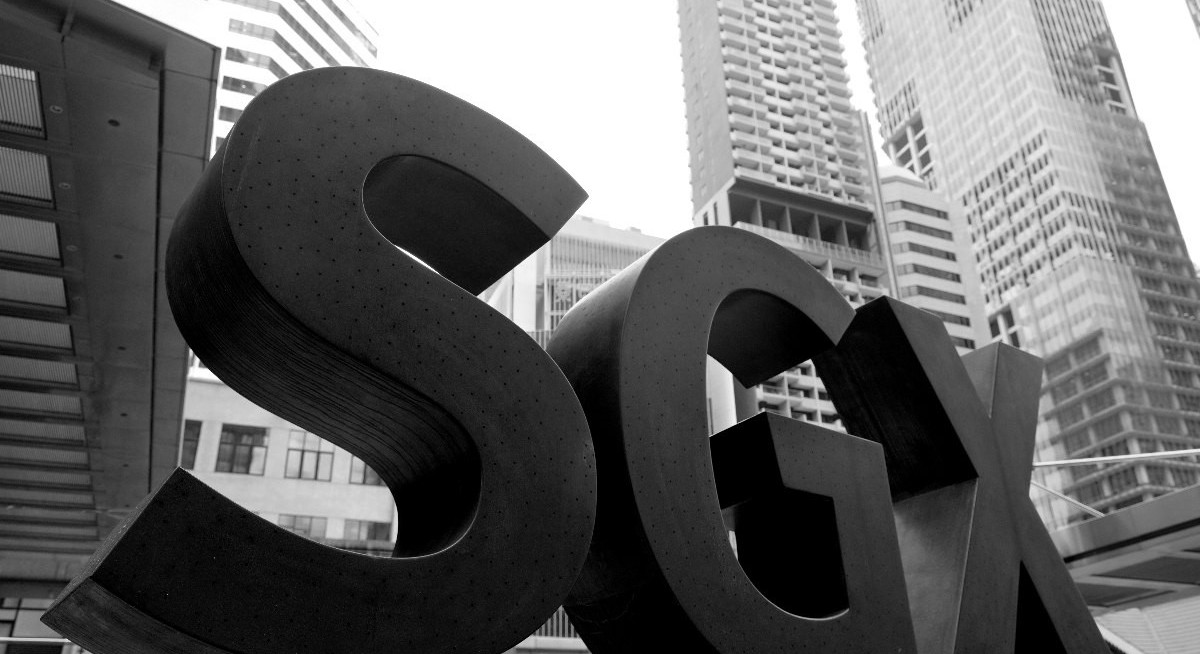


However, dismissing the SGX entirely means overlooking a number of advantages that locally-based investors would enjoy.
One such benefit is having the edge of local knowledge. Investors can literally see and hear what’s happening with Singapore-based companies through the news and AGM meetings, where they can look the board and management in the eye.
In a December 2025 interview, Nicholas Yon of Lim & Tan Securities highlighted this advantage by comparing Mainboard-listed Sheng Siong Group with NYSE-listed Walmart Inc. Yes, of course, with nearly 11,000 stores worldwide, Walmart makes Sheng Siong’s 85 stores look like a rounding error, relatively speaking.
However, local investors can gauge Sheng Siong’s performance simply by shopping at its stores. While browsing promotions for blueberries or freshly caught pomfret, they can observe footfall and store activity — insights that are harder to glean from a US-based supermarket chain. Meanwhile, Sheng Siong has been attracting a growing institutional following, supported by steady share price gains and a consistent dividend yield.
See also: A growing Temasek’s multifold challenge of mandate, liquidity and returns
Another advantage is the lack of foreign exchange (forex) risk. By investing locally, investors avoid the uncertainty of US dollar (USD) and Singapore dollar (SGD) swings, making returns more predictable. After all, if you spend in Singapore dollars, earning returns in SGD is a natural hedge.
The SGX also provides access to stable, dividend-paying companies such as the three banks — DBS, Oversea-Chinese Banking Corporation (OCBC) and United Overseas Bank (UOB) — and a variety of REITs.
Despite the Straits Times Index’s (STI) reputation for being a dividend index, its yield of around 5% is nothing to scoff at. While these returns may not make for sexy headlines, they provide steady income and can compound into substantial long-term wealth.
See also: Why Temasek’s total portfolio emissions will rise before (hopefully) falling
Investors should also tap into the SGX for diversification. The bourse houses over 600 listcos that provide exposure to small-cap firms as well as the larger banking and industrial stocks.
The SGX is beginning to show renewed excitement. Last month, SGX reported that over 100 of its counters were now seeing an average daily trading turnover of $1 million or more, thanks to new listings, including Catalist-listed Toku and The Assembly Place.
Finally, the full effects of the Equity Market Development Programme (EQDP) have yet to take hold. Of the $5 billion EQDP fund, only $3.95 billion has been disbursed to nine asset managers, leaving the final tranche of $1.05 billion to be allocated this year. That figure excludes additional capital that the asset managers are expected to crowd in. Many analysts The Edge Singapore spoke to noted that the higher valuation multiple for the local bourse is justified, given the low base it started from.
With the STI nearing the historic 5,000 level (as at the time of print) and board lot sizes reduced to 10 shares for stocks trading at $10 and above, there are more reasons than ever to stay closer to home.




