




Alphabet is making equity fundraising a key AI battleground. That presents a headache for Son, who has committed $64.6 billion for a 13% stake in Sam Altman’s OpenAI. If and when the ChatGPT maker goes public, will the liquidity tap have gone dry?
The rivalry for public funding is certainly getting heated. Space Exploration Technologies Corp, or SpaceX, is expected to begin formal marketing this week to raise up to US$75 billion. Anthropic has pulled ahead as well with a confidential IPO filing, right on the heels of a private funding round that valued the maker of Claude higher than OpenAI’s.
And let’s not forget the old guards — namely Google, Amazon.com Inc, Microsoft Corp and Meta Platforms Inc — which collectively aim to spend up to US$715 billion on AI infrastructure this year. Now that Alphabet is selling shares, the rest will likely follow suit. This is already the case with corporate bonds. Last month, Amazon sold its first bonds denominated in Swiss francs, following Alphabet’s debut issues in March.
With a handful of mega-cap companies absorbing so much capital, there is now the concern that OpenAI might be crowded out and that its IPO valuation could be lower than the US$852 billion achieved at the latest funding round.
See also: Cisco, Digital Defence Alliance Singapore launch a three-year AI and cybersecurity training push
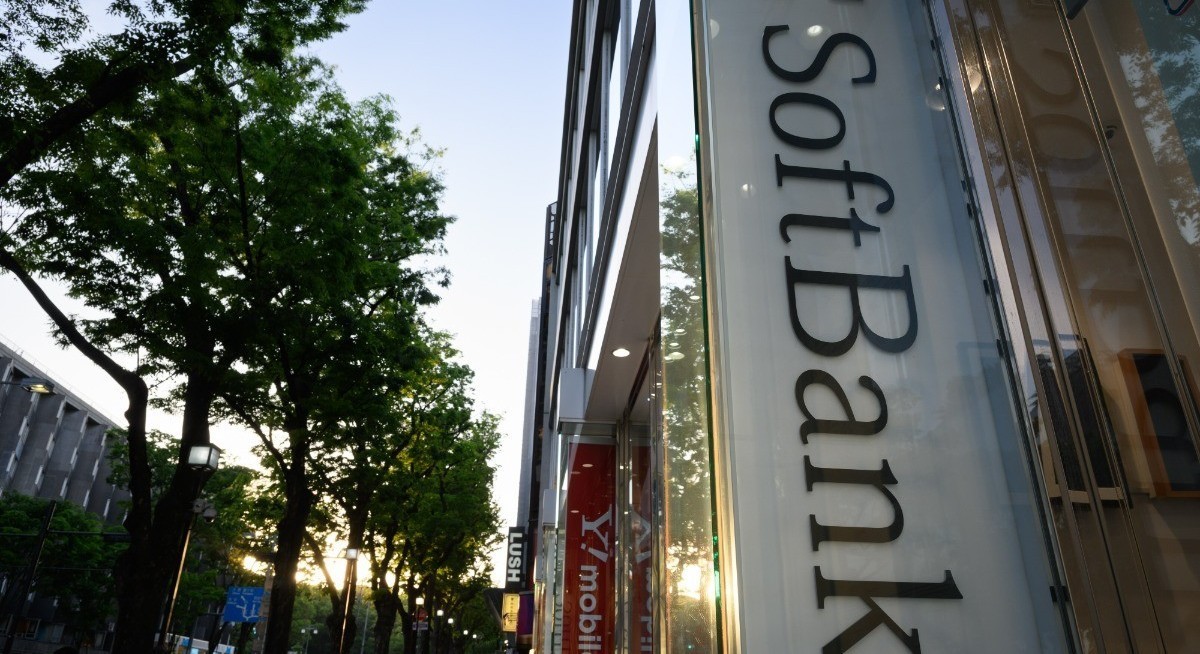
This would substantially alter SoftBank’s bottom line. The company reported a surge in earnings for the fiscal year ending in March, largely driven by US$43.9 billion in unrealised gains from its OpenAI stake. Some of the paper profit will have to be written down if an IPO flops.
More importantly, short on cash, SoftBank had to borrow to fulfil its latest US$30 billion commitment to Altman, thereby creating a bit of a liquidity problem. The US$40 billion bridge loan taken out to cover it is due next March.
This is why an imminent OpenAI IPO is imperative to Son. Once the unicorn becomes a publicly listed company, SoftBank can sell some of its stake — or obtain margin loans using the shares as collateral — and repay its bankers.
See also: When billions watch, every impression counts
Of course, Son could seek funding from other sources. SoftBank’s subsidiary, SB Energy Corp, founded as a solar and battery-storage developer, is aiming to go IPO. There is also a plan to establish and take public an AI and robotics company called Roze. But then Son runs into the same problem: Will there be interest in these esoteric firms if mega caps are soaking up all the capital?
One could argue that Alphabet’s latest move to raise equity is strategic, aiming to shut down funding channels for unlisted competitors preemptively. But an equally likely explanation is that hyperscalers’ AI spending this year is so great that they have to exhaust all financing options. Having tapped out the domestic dollar bond market, they have been issuing notes in yen, euros, Canadian dollars — you name it. So it is only natural that they come to the public equity space, too.
Their dominance inevitably casts a long shadow over the likes of OpenAI and SoftBank, which do not have the same kind of clout in capital markets. Son and Altman will have to manoeuvre a lot harder to realise their IPO dreams. — Bloomberg Opinion




