


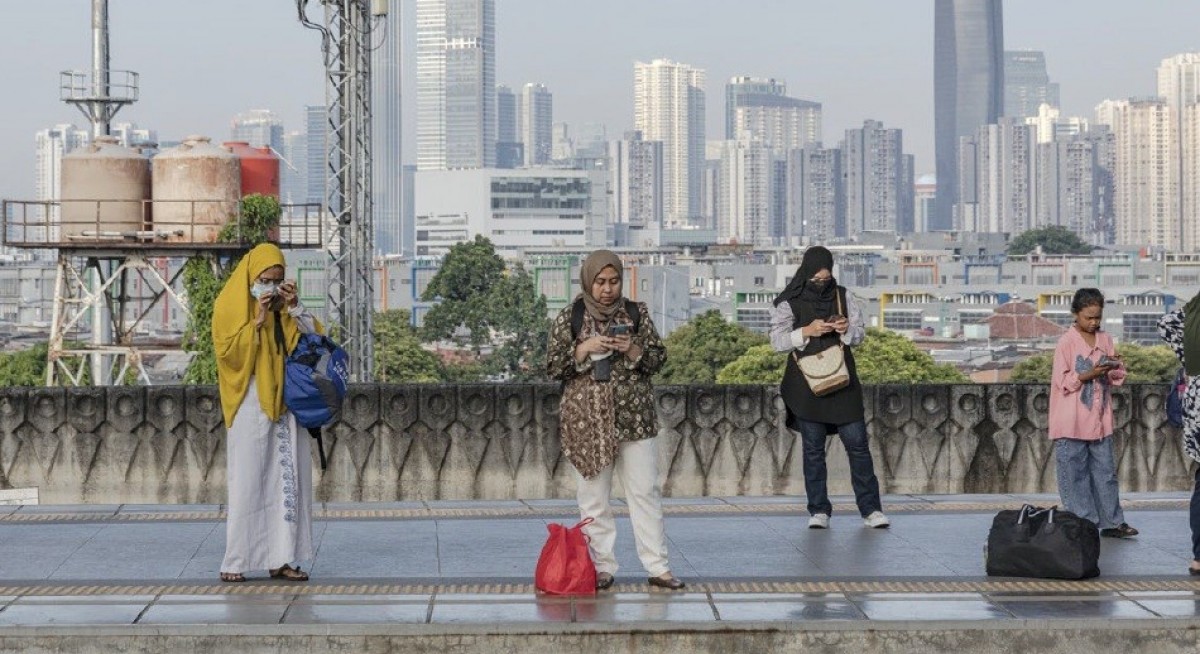


Against the backdrop of the historic Liberation Day tariff shocks and a global trading system splintering under rising protectionism and multipolar tensions, Asean consumers viewed 2025 with measured optimism. Notably, consumer sentiment rose slightly upwards from 2024, although a clear sense of financial caution persisted.
While there are perceived market differences, a growing sense of control over personal finances is underpinning a tempered optimism in many markets across the region, despite turbulence in the macro environment. The latest insights from Boston Consulting Group and UOB’s Asean Consumer Sentiment Index revealed a region with different perceived trajectories.
The index captures consumer sentiment through six key indicators spanning both current conditions and the future outlook at the macro and microeconomic levels. The overall 2025 regional Index was 54, with levels above 50 reflecting consumers’ general optimism. Even as consumers voice concerns about inflation and job security in the current macro environment, the overall Index remained positive, as many feel capable of managing their personal finances at the microeconomic level.
Malaysia, Thailand and Vietnam all showed signs of improved optimism at the point the survey was conducted. Vietnam emerged as the most optimistic nation surveyed, with an Index score of 67. This shows that Vietnam remains an optimistic bright spot for the region — fuelled by reforms, robust manufacturing, and an expanding retail sector.
Malaysia saw the sharpest improvement, rising from 42 to 53, while Thailand saw a modest increase from 45 to 47. Thailand’s score was still below the regional average, likely weighed down by trade concerns and a subdued tourism recovery. The country’s worries remain overwhelmingly macro in nature, with sentiment held back despite government stimulus.
Indonesia and Singapore diverged from the overall regional trend, with optimism in Singapore dropping by 10 points to 47 in 2025, making it the least optimistic market in the region. Indonesia also fell 3 points to 55 but remained relatively close to the regional average. Singapore’s decline reflects unease at both the macro and micro levels. Consumers are less confident about the broader economy and equally concerned about household finances. As for Indonesia, the dip in optimism is driven more by micro-level pressures — rising living costs and household expenses — than by macroeconomic uncertainty.
See also: Philippines sees another rate hike to curb war-driven inflation
Optimism is generational in Asean
This diversity of cautious optimism is evident even across demographic cohorts where the most positive consumers are younger. 84% of Generation Y and 80% of Generation Z report positive emotions about the current economic situation — well above older cohorts.
What sets these groups apart is not only their confidence, but their approach to spending. Generation Z are reshaping consumption patterns across Asean by prioritising experiences over possessions. 35% of them reported higher spending on experiential categories such as travelling for vacations, fine dining, concerts, events and festivals this year. Interestingly, Generation Z view such spending as essential, possibly worthwhile investments in wellbeing and fulfilment — particularly in Vietnam (85%) and Indonesia (85%).
See also: Indonesia raises rates again to go ‘all out’ supporting rupiah
A “live in the moment” mindset defines this generation, with 73% of Generation Z preferring to enjoy their money now rather than worry about the future. This blend of optimism and experience-seeking behaviour makes younger consumers essential to future regional growth.
Rising costs, tempered fears across Asean
Strikingly, there is persistent pessimism about inflation across the region. Singapore consumers evidence the most concern, with 66% of respondents citing an increased cost of living due to inflation, and more than half (59%) worried about the household’s increased expenses.
Yet, broadly across the region, there are also indications of resilient and positive spending behaviour, reflecting how consumers are adapting to economic uncertainty. 39% of regional consumers believe it is a good time to make major purchases, compared to 29% who consider it a bad time. Vietnam is leading the resurgence, with 60% of Vietnamese consumers considering it a good time. While the journey to increased spending is cautious, it is nevertheless shining through in most markets in the region.
Asean demonstrates confidence through investment
The same quiet confidence is visible in financial behaviour, explored through three key topics of savings, emergency funds and retirement savings, and legacy planning. Asean consumers are cautiously planning for the future with forward-looking investment and financial decisions.
Nearly half of Asean consumers now invest more than 10% of their annual income — with consumers in Indonesia and Vietnam leading the region. This is an important signal of renewed trust in both financial markets and economic prospects.
Sink your teeth into in-depth insights from our contributors, and dive into financial and economic trends
The majority (79%) of consumers feel prepared with sufficient emergency funds to cover unforeseen situations, although Singapore lags the regional average with just 73% of consumers feeling prepared. This is despite 88% of Singapore consumers having an emergency fund in place, the highest in the region. This suggests that a gap remains, as Singapore consumers believe their emergency funds are not sufficiently large to meet their household’s needs.
Retirement and legacy planning remain strong motivators for many consumers. A substantial 85% of respondents intend to maintain or enhance their lifestyle in retirement.
Yet the data also exposes a gap between perceived preparedness and actual readiness. In Singapore, for instance, less than 20% of consumers met three or four of the guidelines identified by the Monetary Authority of Singapore and the financial industry’s Basic Financial Planning Guide, including adequate emergency funds and investment diversification. Across the region, only six in 10 consumers have emergency funds to cover three to six months of financial disruption. These figures indicate that consumers may feel more financially confident than they truly are.
A turning point for Asean consumers
The region stands at a fascinating crossroads. Consumers are cautiously moving beyond macroeconomic gloom and focusing instead on how they live, spend, and plan.
For companies, this shift presents an opportunity. Brands that position themselves to help consumers ‘live in the moment’ through personalised experiences will find resonance among younger consumers eager to embrace rewarding experiences.
Meanwhile, for policymakers, this is a reminder that confidence must be matched by resilience. As spending rebounds, there is a need to reinforce financial literacy, encourage savings, and promote long-term planning. Asean’s consumers are ready to believe in their future once again. The challenge now is for businesses and governments to keep pace with that belief.
Aditi Bathia is an expert project leader in consumer insights at the Boston Consulting Group; Jasmine Yeo is executive director and head of insights and transformation at UOB




