Pilot Corporation is one of the leading global manufacturers of writing instruments and stationery like Namiki fountain pens, which convey Japanese traditional culture. President Fumio Fujisaki shares how the brand readies itself for the future while staying true to its heritage.

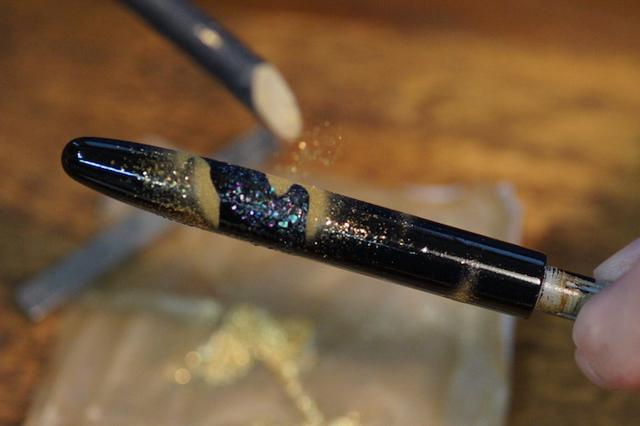
The limited edition “Blooming Flowers in Profusion”
Pilot is a household name and is a brand that has been around for a long time. How does it evolve to stay relevant as trends and culture change?
Pilot Pen stays relevant by balancing its heritage of craftsmanship with a commitment to innovation that reflects how people write and create today.
While the brand is known for reliability and quality, it continually refreshes its portfolio with new technologies, such as smoother gel inks, precision tips, sustainable refill systems, and ergonomically designed pens for long writing sessions. Pilot also leans into consumer trends such as sustainability and personalisation, ensuring its products resonate with students, professionals, and creators who expect both performance and responsibility from the brands they use.
See also: Fully Charged
Culturally, Pilot Pen maintains relevance by staying close to the communities that shape modern expression. From partnering with artists and educators to engaging on social platforms where handwriting, bullet journaling, and creative planning thrive, Pilot positions itself not just as a pen maker but as an enabler of creativity and self-expression. By combining its long-standing credibility with an ongoing dialogue with culture, Pilot Pen continues to feel timeless yet fully aligned with contemporary trends.
On the other hand, what has remained the same throughout the years for Pilot Pen?
What has remained constant for Pilot Pen over the years is its unwavering commitment to craftsmanship, writing quality and dependability. Regardless of changing trends, the brand has always stood for tools that feel good in the hand, write smoothly and elevate the everyday act of putting ideas on paper. That dedication to precision and performance continues from the earliest fountain pens to today’s most advanced gel and rolling-ball innovations.
See also: Let’s dance
Equally enduring is Pilot’s belief in the power of writing as a form of human expression. While formats and habits evolve, Pilot has consistently championed creativity, learning and communication. The brand has never strayed from its mission to help people express themselves clearly and confidently — whether they are signing a document, sketching an idea or capturing a moment of inspiration.

Elevating the writing experience with Japanese manufacturing excellence
How did Pilot grow from a local Japanese brand to a global name? What were some challenges in expanding overseas and how did you overcome them?
Pilot’s evolution from a local Japanese maker of precision writing instruments to a global category leader has been guided by a simple principle: innovation with purpose. From our earliest days, we focused on craftsmanship, ink technology and ergonomics — areas where Japanese manufacturing excellence could meaningfully elevate the writing experience. As we expanded, we treated every new market as a learning partnership, not just a distribution opportunity. That mindset enabled Pilot to maintain the soul of a heritage brand while continually adapting to changing cultural, educational, and professional needs worldwide.
Global expansion, however, came with challenges, ranging from navigating differing consumer preferences to building supply chains capable of maintaining quality across continents. In some markets, “premium” writing instruments were perceived differently; in others, sustainability standards or retail models required us to rethink our product and channel strategies. We overcame these hurdles by investing in local insights, empowering regional teams, and staying relentlessly focused on product integrity. Ultimately, Pilot grew globally not by diluting who we are, but by listening deeply, innovating boldly, and proving that even in a digital world, the power of a well-made pen can transcend borders.
How do you protect craftsmanship quality while scaling ergonomic, mass-market designs?
For more lifestyle, arts and fashion trends, click here for Options Section
Protecting craftsmanship while scaling mass-market, ergonomic designs starts with a philosophy that precision and human experience are never optional. Our guiding principle is: How do we maintain the tactile quality, balance and reliability that define a Pilot pen, even as we design for millions of users with diverse needs? This quest drives every stage of our process, from material selection and ink formulation to ergonomic prototyping and assembly standards.
We achieve this through a combination of advanced engineering, rigorous quality control, and iterative design informed by user feedback. By embedding these practices into scalable processes, we ensure that every pen delivers the same thoughtful performance and comfort as our most artisanal pieces, making high-quality craftsmanship accessible to all without compromise.

Pilot makes an effort to protect craftsmanship even as the brand goes global
What are your expectations for Singapore’s role in regional growth and brand building?
Singapore plays a strategic role in Pilot’s regional growth and brand building, serving as both a hub for innovation and a gateway to Southeast Asia’s dynamic markets. Its connectivity, business ecosystem and consumer sophistication allow us to test new product concepts, refine brand messaging and respond quickly to regional trends.
We see Singapore not just as a market, but as a platform for influence where we can elevate Pilot’s reputation for quality, innovation, and sustainability across the region. By leveraging insights and partnerships here, we aim to drive meaningful engagement, expand our footprint, and reinforce the brand as the go-to choice for inspired, everyday writing experiences.
What advice do you have for first-time fountain pen collectors?
My advice for fountain pen collectors is to approach the hobby with both curiosity and patience. Every pen tells a story through its design, materials and the craftsmanship behind it, so take the time to explore different nibs and inks to discover what resonates with you personally. Treat each pen not just as a tool, but as a bridge to creativity and expression. Above all, enjoy the process — collecting is as much about the journey of learning and appreciating craftsmanship as it is about the pens themselves.
Outside work, which craft traditions in Japan do you most enjoy visiting or collecting?
Outside of work, I am deeply drawn to craft traditions that combine precision, patience, and a sense of artistry. I particularly enjoy playing tennis, which to me embodies discipline, focus and continuous improvement — values I see reflected in many Japanese crafts. I also have a passion for sake, not only for tasting it but also for visiting different sake breweries across Japan. Experiencing the dedication and care that brewers put into every step of the process — from selecting the rice to perfecting fermentation — gives me a profound appreciation for craftsmanship and tradition. These experiences continually inspire me to bring the same attention to detail and passion to everything I do, including my professional life. — as told to Samantha Chiew