


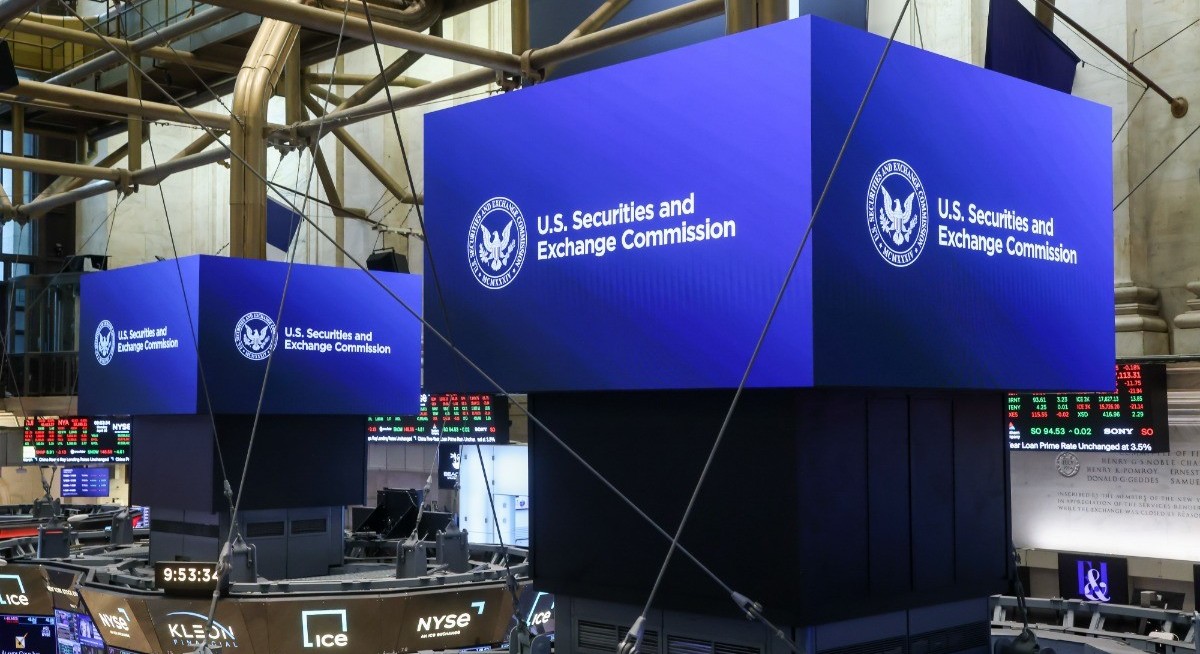


(June 25): The US Securities and Exchange Commission (SEC) is turning its attention to the potential for misconduct in a private equity product that has become popular with asset managers struggling to sell their investments, a person familiar with the matter said.
The probe focuses on so-called continuation vehicles, said the person, who asked not to be identified discussing internal agency matters. The person did not name which firms or funds were part of the probe. Reuters first reported the investigation.
Continuation funds allow a private equity firm to transfer one or more companies from an existing fund to a newly created fund. Such transactions have been around for more than a decade but surged in recent years as private equity firms have faced a dealmaking drought.
Some firms have bought themselves even more time to realise gains by rolling one continuation vehicle into another — called a CV squared.
The transactions have raised concerns about self-dealing, fair valuations and conflicts of interest. In December, an Abu Dhabi sovereign wealth fund sued to block a Houston-based private equity firm from shuffling a natural gas producer into a different vehicle, which would prolong the asset sale and delay distributions to investors.
The dispute centered on the proposed valuation of the company and the governance surrounding the transaction, Bloomberg reported.
See also: Stocks climb late after Micron’s blowout outlook
The SEC has signalled since at least 2021 that its examiners would pay close attention to investment advisers who lead fund restructurings, including transactions where new investors purchase the interests of existing investors while also agreeing to invest in a new fund.
It included continuation funds on a 2023 list of examination priorities for registered investment advisers and later said examiners would zoom in on how investment advisers disclose risks and conflicts of interest in adviser-led secondary transactions.
Continuation vehicles have also been the subject of at least one recent enforcement case. In 2023, a California-based investment adviser agreed to pay US$1.6 million ($2.1 million) to settle SEC allegations that it breached its fiduciary duties three times, including in a continuation fund transaction.
See also: Stocks slide as Wall Street gets AI wake-up call
The firm allegedly transferred assets from a 10-year fund investing in toll bridge projects into a new fund created by the firm, locking up investor money for at least an additional decade. The firm did not obtain investor consent and did not give investors an option to exit, nor did it disclose its conflicts of interest in the transaction, the SEC said in its cease-and-desist order.
SEC enforcement director David Woodcock said at a conference in May that the regulator was “attuned to potential risks” relating to liquidity, fees, valuations, and conflicts of interest “not only at the private fund adviser level but throughout the distribution chain”.
SEC chairman Paul Atkins in May said the regulator was investigating fraud in the private credit market but did not add specifics.
Uploaded by Tham Yek Lee




