




Caution towards AI heavyweights persisted, with Nvidia Corp down around 3% amid Magnificent Seven losses. Bitcoin fell more than 2% toward US$90,000. The dollar ticked lower.
Oracle’s results pushed worries about tech valuations and whether heavy spending on AI infrastructure will pay off back into focus, reviving concerns that fueled weeks of volatility in November. While the sector has powered the S&P 500’s stunning rally this year, spending fears have prompted some investors to rotate into other areas as the US economic outlook remains robust.

“Markets have grown far more wary of AI-related spending, which is a sharp contrast with mid-2025 when anything hinting at higher capex sparked excitement,” said Susana Cruz, a strategist at Panmure Liberum. “Oracle has been the weakest link in all this, largely because it’s funding a big chunk of its investment with debt.”
See also: S&P 500 halts rally as bonds climb on retail sales
Traders will get another read on the strength of the AI trade when Broadcom Inc reports after the close. The stock has surged more than doubled from its April low, and Bloomberg Intelligence expects results that are in line with, or slightly above, estimates as hyperscaler customers continue to ramp up spending.
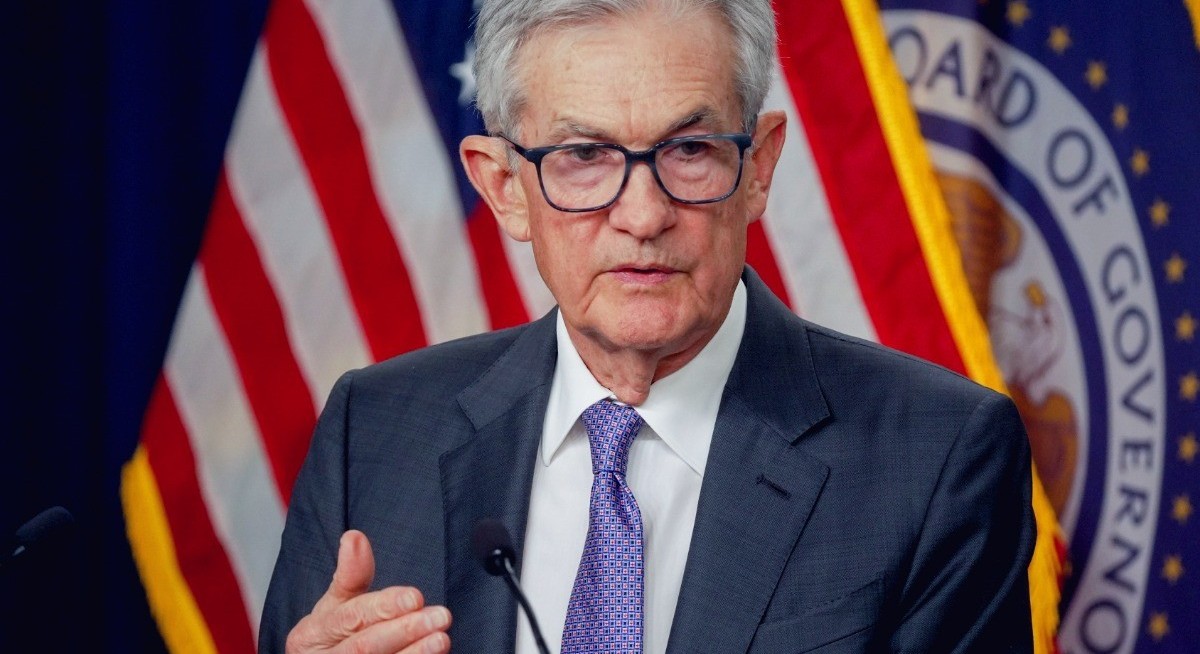
Oracle’s earnings landed after the S&P 500 closed just shy of a record on Wednesday, lifted by a Federal Reserve interest-rate cut and chair Jerome Powell’s sanguine economic outlook.
Investors had taken comfort in Fed policymakers leaving the door open to more easing next year, even though the quarter-point cut drew three dissents. Traders stuck to bets on two cuts in 2026, even as the Fed’s new projections signalled only one such move.
See also: US stock turnover tops US$1 tril a day amid trading surge
“The effect of Oracle has been greater than the Fed. This already tells us everything as we’ve been witnessing a strong concentration and one theme — AI — leading the market,” said Alberto Tocchio, a portfolio manager at Kairos Partners. “This doesn’t mean that AI is gone or it’s a bubble, but we need to focus on a wider scale.”
US Treasuries rallied after the rate cut was paired with the authorisation of fresh bill purchases to rebuild bank reserves. The 10-year note held gains on Thursday after initial jobless claims rose more than expected in the Dec 6 week, with the yield four basis points lower at 4.11%.
Powell suggested that the Fed had now acted sufficiently to help stabilise the labour market while leaving rates high enough to continue weighing on price pressures. Officials upgraded their median outlook for growth in 2026, to 2.3% from the 1.8% they projected in September. They also foresaw inflation declining to 2.4% next year, from the 2.6% in the previous projection.
“The Fed’s ‘hawkish-but-bullish’ cut last night [Wednesday] reinforces this: stronger 2026 growth, faster disinflation,” said Florian Ielpo, head of macro at Lombard Odier Investment Managers. “Cuts are continuing, but they’re no longer automatic — and that’s usually a constructive backdrop for equities.”
In commodities, oil retreated tracking wider losses in risk assets. Silver extended an all-time high past US$62 an ounce.
“The good news for equities, insofar as there is any, is that we may have crested the wave of peak rate hawkishness, at least for the time being. Fixed-income markets reacted to yesterday’s Fed and BOC meetings by pushing yields a little lower. A drip lower in global yields could provide a more reassuring backdrop for those corners of the equity market that aren’t directly tied to AI disappointment,” says Cameron Crise, macro strategist, Markets Live at Bloomberg Strategists.
Uploaded by Felyx Teoh




