


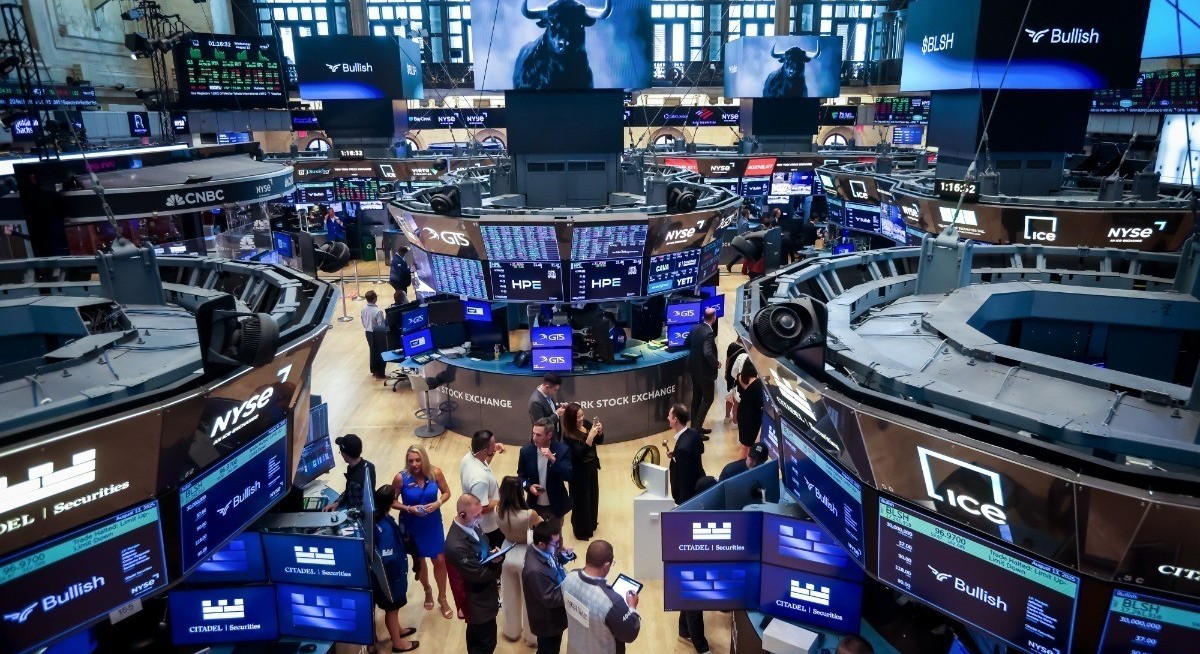


(May 29): Renewed attacks in the Persian Gulf lifted oil prices while keeping a lid on stocks and bonds amid mounting concern about the economic fallout of the war-driven spike in energy costs.
Clashes between the US and Iran highlighted the fragility of the ceasefire and the challenge of forging a peace deal that would restore global energy flows. Brent crude topped US$96. While action in the equity market was fairly muted, the S&P 500 snapped a five-day winning streak that had sent the gauge to all-time highs. Treasury 10-year yields hovered near 4.5%.
Iran and the US accused each other of violating a truce in their three-month war, after Washington struck Iranian military targets for the second time this week. Ongoing negotiations via mediators are making progress, they say, although there’s little public sign of significant headway.
Higher energy prices resulting from the closure of the Strait of Hormuz are likely to keep inflation elevated and force central banks to hold rates higher for longer, rather than deliver cuts many expected before the conflict with Iran started.
US consumer spending edged up in April, with annual inflation accelerating to the highest level since 2023. Separate figures showed the economy expanded in the first quarter at a 1.6% annualized pace, slower than previously estimated.
“We think it’s unlikely the Federal Reserve hikes rates, given how the oil price spike is likely to be short-term, and since there is immense pressure on the Fed to keep rates in check and a hike would require an especially rare set of circumstances, such as a year or longer of US$100 per barrel oil, and we are nowhere near that point yet,” said David Laut at Kerux Financial.
See also: Ordinary Americans deserve a fair shot at IPOs
Federal Reserve Vice Chair Philip Jefferson expects inflation to cool later this year as the effects of tariffs and higher energy costs wear off, but he warned inflationary risks remain tilted to the upside. Minneapolis Fed president Neel Kashkari told CNBC that bringing down inflation remains his top priority, warning that consumer prices are still “much too high.”
Meantime, confidence among chief executive officers about the US economy tumbled in the second quarter as concerns intensified about supply chains and energy.
The Conference Board’s Measure of CEO Confidence dropped to 47 from 59 in the first three months of the year, according to results published Thursday. Readings below 50 indicate more negative than positive responses.
Uploaded by Isabelle Francis




