


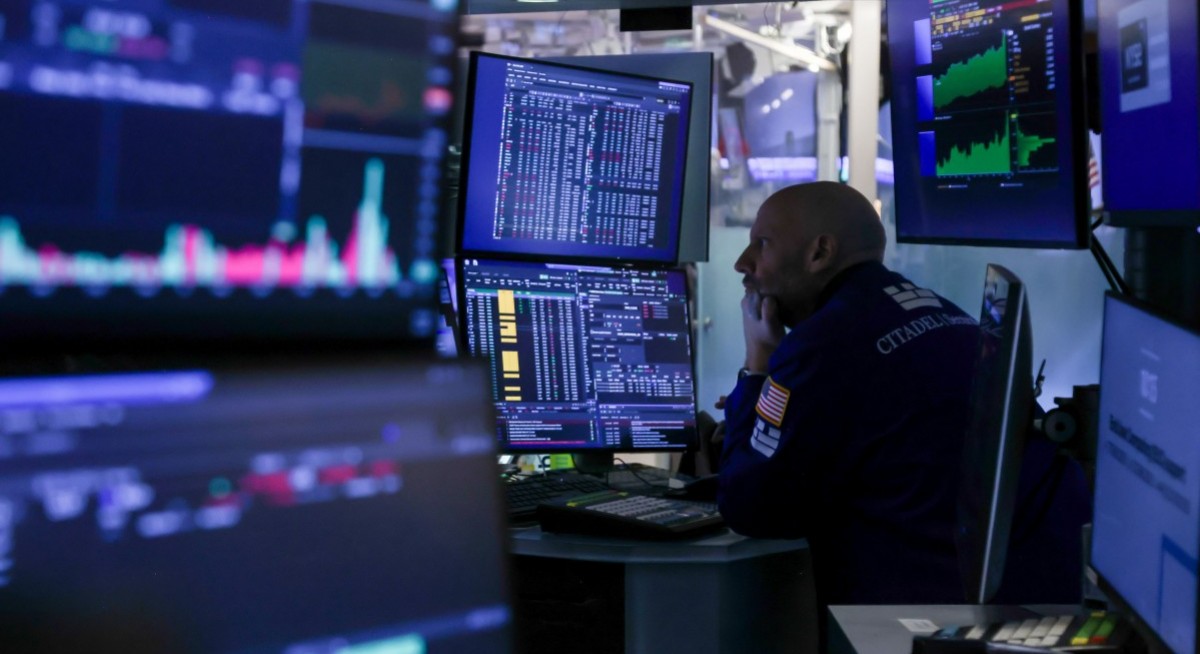


(March 17): A slide in oil prices lifted stocks and bonds on hopes that more tankers will be able to traverse the Strait of Hormuz, with signals that rich nations could release more stockpiles also helping sentiment.
While traffic through Hormuz remains at a near-standstill amid the war in the Middle East, US crude settled at US$93.50 as a trickle of vessels started to find a way through the oil route. The S&P 500 rose 1%. Tech led the advance, with Nvidia Corp. climbing 1.6% as it expects to make at least US$1 trillion from artificial-intelligence chips through the end of 2027.
Treasuries gained as a drop in oil prices eased inflation fears. The dollar fell. Bitcoin topped US$73,000.
President Donald Trump reiterated his appeals for help from other nations to secure the Strait of Hormuz, saying Iran was nearly obliterated. He also noted that attacking oil infrastructure on Iran’s main export hub, Kharg Island, remains on the table.
The International Energy Agency, which recently agreed to a record release of emergency reserves, said it has more that can be made available if needed.
The US is letting Iran continue to ship its oil via the Strait of Hormuz, Treasury Secretary Scott Bessent told CNBC.
See also: US may drop quarterly reporting: WSJ
Asked if there were any tools to mitigate higher oil prices — beyond emergency reserves — he said it would depend on how long the war lasts. Bessent noted prices would be “probably much lower” than US$80 in a couple of months’ time.
“While it’s possible for oil prices to exceed US$100 in the near-term, we don’t expect prices to remain above this threshold for the long-term,” said Richard Saperstein at Treasury Partners. “Oil prices will decline as tensions subside and oil flows return to pre-crisis levels.”
“While markets may experience some relief if the situation in the Middle East doesn’t notably deteriorate, any rebound in stocks risks being short-lived without clearer signs of an off-ramp that will allow oil prices to cool,” said Chris Larkin at E*Trade from Morgan Stanley.
See also: S&P 500 rises as tankers traverse Strait of Hormuz, oil slips
A prolonged war in the Middle East that dislodges inflation expectations could ultimately result in financial-market fallout and fiscal trouble, the Bank for International Settlements warned.
Oil-driven market volatility due to geopolitical tensions may not warrant central-bank tightening and investors should buy equities on weakness, according to JPMorgan Chase & Co’s Mislav Matejka.
In the countdown to this week’s Federal Reserve decision, officials are widely expected to hold rates steady, as attention shifts to how they may respond if the fallout from the war in the Middle East pulls their goals in opposite directions.
Policymakers will likely avoid making bigger updates, reflecting uncertainty around the duration of the energy shock and weaker jobs data that underlines the ongoing need to balance inflation and labor risks, according to Krishna Guha at Evercore.
While the Summary of Economic Projections might see a “hawkish drift,” Guha expects the median forecast to continue showing a rate cut this year and another one in 2027.
Uploaded by Isabelle Francis




