


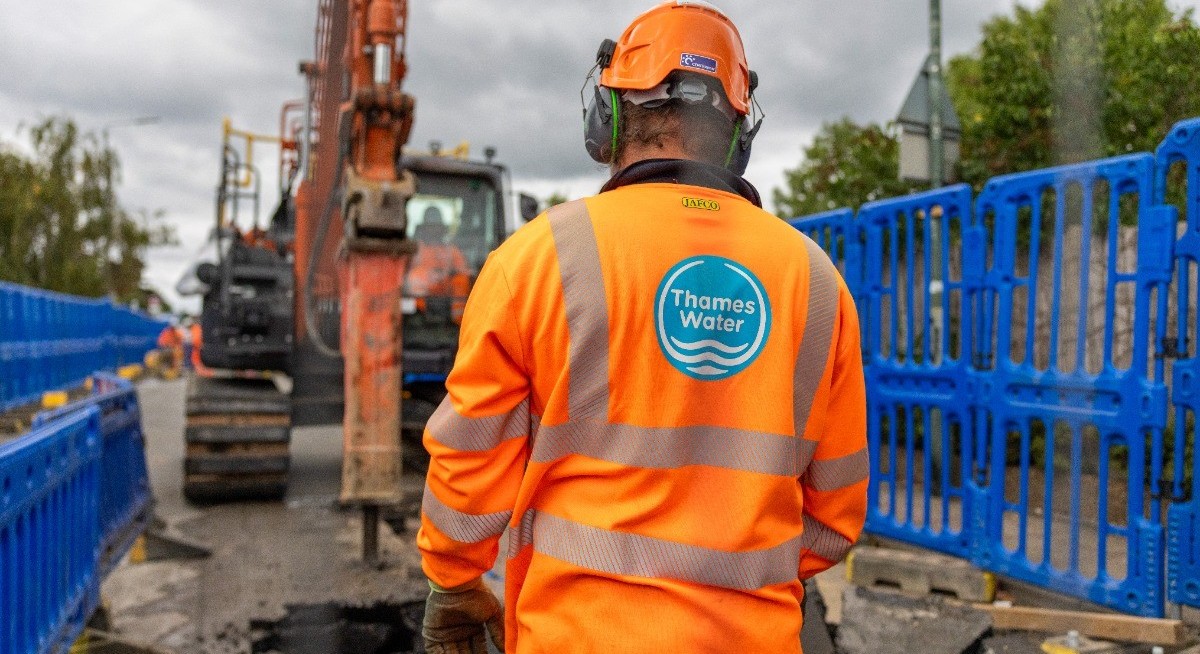


(April 15): The board of UK watchdog Ofwat is split over whether to approve a rescue deal offered by the creditors of Thames Water, increasing the risk the utility could collapse into special administration.
Ofwat’s board — eight men and women charged with deciding the future of the UK’s largest water and sewerage company — have so far failed to reach a consensus on the deal floated last month by senior creditors, according to a person familiar with the matter, who asked not to be identified talking about confidential negotiations.
Thames, which supplies water to about a quarter of England’s population, has been on the brink of collapse for more than two years. It’s buckling under £17.6 billion of debt and has been in the hands of its creditors since its shareholders walked away in 2024, declaring the business “uninvestible”. Efforts to attract new equity failed last year when KKR & Co withdrew a plan to invest £4 billion.
Senior creditors, including Silver Point Capital and Elliott Management, have offered to inject around £3.35 billion of equity and take a haircut of up to 30% to lighten the company’s debt load. Creditors are also asking Ofwat to let Thames off regulatory penalties until March 2030.
Some board members think that deal falls short on both the size of the haircut and equity injection, as well as the leniency on penalties, the person familiar said. Getting a deal with senior creditors is widely seen as the last chance for a market-led solution to get Thames Water back on its feet.
We “are reviewing their plans carefully to assess whether they deliver a turnaround in the company’s operational performance and strengthen its financial resilience to the benefit of customers and the environment,” a spokesperson for Ofwat said.
See also: Scotland’s push for independence could be back in play after Labour flops
A spokeswoman for the creditor group declined to comment.
Fragile finances
Thames Water has come close to running out of money several times and is on track to do so again by the end of October.
See also: Vodafone to buy out UK’s biggest mobile firm for US$5.8 bil
The deal proposed by creditors effectively amounts to a rewriting of Thames’s five-year business plan that was agreed at the end of 2024, the person said. That’s because the creditors want to raise customer bills beyond the level set by Ofwat and renegotiate performance targets on everything from leakage to sewage spills.
“This situation illustrates just how fragile Thames Water’s balance sheet has become,” said Tim Whittaker, a research director at the EDHEC Infrastructure Institute. “Its high leverage, combined with Ofwat’s regulatory constraints, leaves little flexibility to resolve this without some form of government intervention.”
If Ofwat eventually agrees to the proposal from the creditor group, the next step will be to present the plan to the rest of the debtholders to get their consent. The deal should be implemented via a court process, and participants in the process who spoke to Bloomberg on condition of anonymity estimate it will still take several months to be finalised.
The regulator would also need to hold a public consultation on any deal, as it would include changes to Thames’s licence, Bloomberg previously reported. Efforts to reach a consensus on the proposal are being led by board chair Iain Coucher, the person said.
Under the current penalty system, Thames has repeatedly argued that it is locked in a vicious cycle, whereby it’s consistently one of the worst performers when ranked against its peers. That results in fines that prevent the firm from being able to invest in improving its infrastructure, keeping it at the bottom of the table.
“Thames Water remains focused on securing a market-led solution that delivers improvements for customers and the environment as soon as practicable whilst continuing to make progress with our operational and financial turnaround plan,” a spokesperson for the utility said.
Uploaded by Felyx Teoh




