


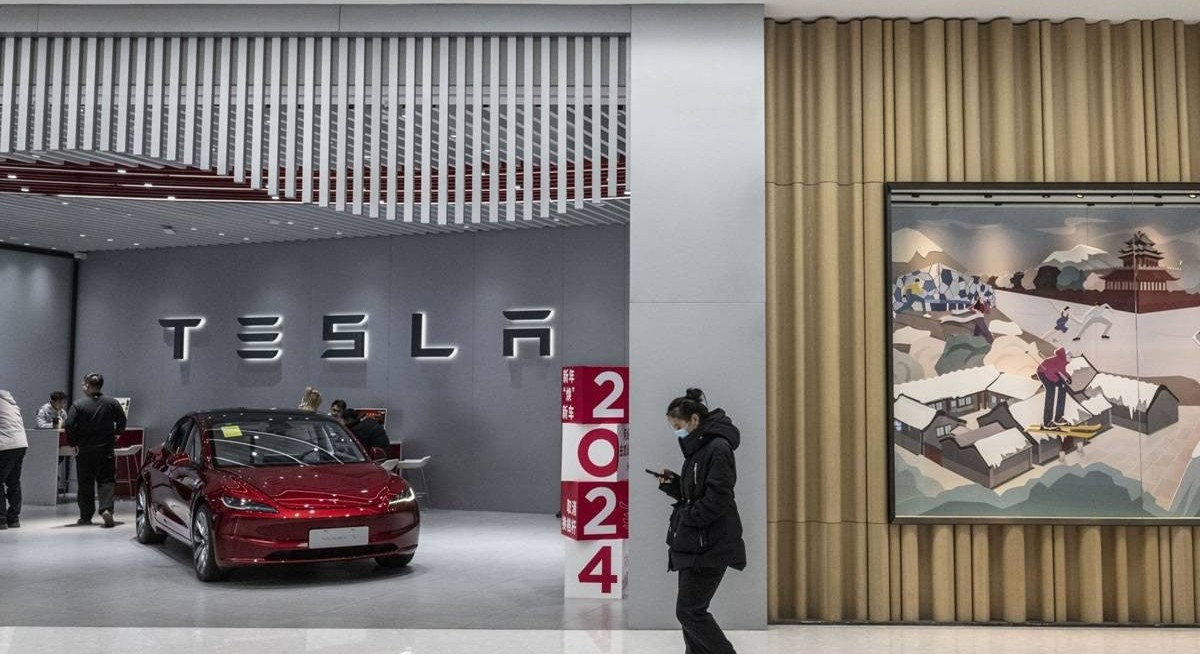


Tao’s comments follow a Wall Street Journal report earlier this month that Tesla planned to stop using Chinese-made components in cars assembled in the US. Reuters has said General Motors Co is undertaking similar measures.
Carmakers’ scrutiny of their suppliers has intensified alongside rising geopolitical tensions between Washington and Beijing. But it’s unclear how easily American manufacturers can move away from China given the latter’s dominance across the complex network that makes up the auto supply chain.
Tesla has been trying to reduce its dependence on China-made components for its US cars since Covid, with President Donald Trump’s imposition of hefty tariffs on Chinese imports accelerating the strategy, the Wall Street Journal said, citing people it didn’t identify.
The carmaker’s Chinese operations are significant, with its Shanghai factory not only its largest production hub but also serving as a primary export centre for markets in Asia and Europe.
See also: Adani plans to invest US$100 bil in AI-ready data centres
Tesla’s procurement decisions are based on quality, total cost, technical maturity and the continuity of long-term supply, Tao wrote.
Tao also wrote that Tesla currently works with more than 400 supply chain partners in China. Of those, the automaker has integrated more than 60 Chinese vendors into its global procurement system, a move she said helps these companies enter the “world stage.”
Uploaded by Magessan Varatharaja




