




(July 1): Panasonic Holdings Corp, the Japanese electronics conglomerate, is attracting renewed investor attention as a beneficiary of the artificial-intelligence (AI) boom.
Demand for products that support AI infrastructure, including electronic components, circuit-board materials and storage batteries used in servers, has helped to more than double the company’s stock this year, giving it a record valuation of ¥11.5 trillion (US$71 billion).
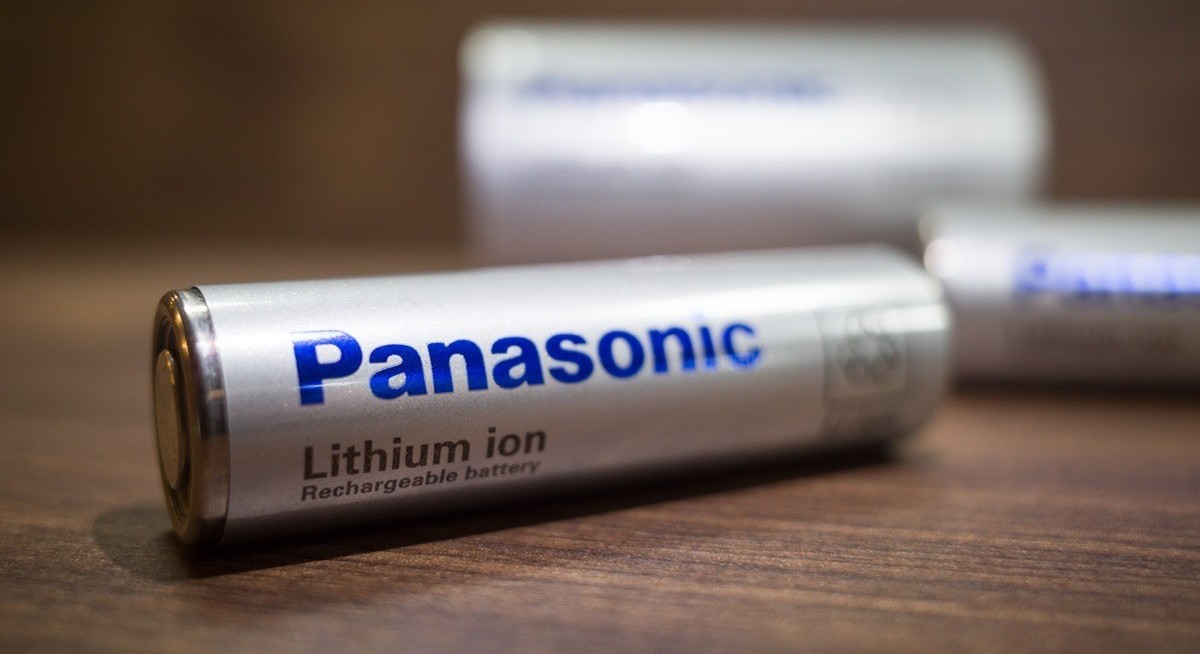
Once a global leader in consumer electronics, Panasonic has been reducing its reliance on appliances and has become a key supplier of batteries to Tesla Inc. Chief executive officer Yuki Kusumi has been revamping the business to cut costs and take advantage of global growth areas. Panasonic plans to leverage its partnerships with major sector players, and is aiming for about ¥1.4 trillion in sales from AI infrastructure-related businesses in three years.
“For the next three years, we intend to capture this opportunity,” Kusumi said in a roundtable interview. “The following three years will be about making that our next engine of growth.”
Recently, Panasonic said it would invest around ¥500 billion through its next two fiscal years in businesses supporting AI infrastructure. The company also expanded the scale of planned job cuts to as many as 12,000, up from a previously indicated 10,000, helping to bolster total annual savings to ¥145 billion compared with fiscal 2024.
Panasonic’s collaboration with major cloud operators running AI data centres is a source of competitiveness for its storage battery systems, Kusumi said. The graphics processing units powering AI servers consume large amounts of electricity and the company’s storage battery systems play a critical role in curbing peak power demand.
See also: WhatsApp opens username reservations to three billion users
Other Japanese suppliers for the AI industry have benefitted from the boom, most notably Kioxia Holdings Corp, which supplies NAND, or flash, storage, used to provide fast access to data. Fiber-optic cablemaker Fujikura Ltd has also benefitted from robust sector demand. The Bank of Japan recently said that strong exports to the sector are providing an economic lift.
Kusumi also expressed caution, saying that the company’s current competitive advantage may not necessarily continue into the future, adding that it is necessary to anticipate risks and take measures now. One example: Panasonic is seeking to redirect production at a US facility that had struggled due to production cuts in EV batteries for Tesla into a manufacturing base for AT power systems.
“We must assume that change is constant and be prepared to change in every direction, at any time,” Kusumi said.
See also: Samsung, SK prep record spending to sustain South Korea’s AI lead
As a result, the company’s shares are trading at their highest since September 1974, the earliest date for which data is available.
Norikazu Shimizu, an analyst at IwaiCosmo Securities, said Panasonic’s current price-earnings ratio of around 25 times isn’t necessarily high compared with stocks whose earnings are more sensitive to demand for AI infrastructure. That’s because the company still has a broad range of businesses, including home appliances, housing-related businesses, automotive operations and software.
Last year, Panasonic announced that it would embrace AI across its hardware and software businesses and team up with Anthropic PBC, one of the leaders in the industry, with the goal of boosting AI-related revenue to 30% in a decade.
Uploaded by Liza Shireen Koshy




