


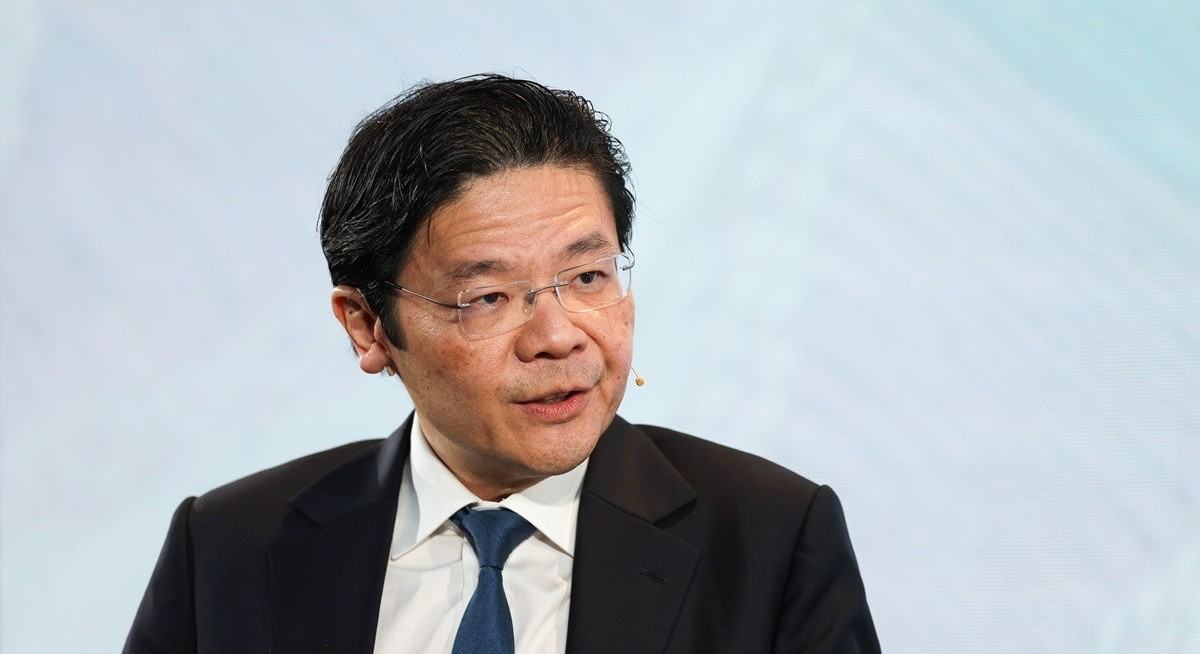


(May 1): Singapore Prime Minister Lawrence Wong warned of bigger disruptions ahead as the country navigates a more uncertain global environment, from the Iran conflict to the rapid rise of artificial intelligence (AI).
“Jobs will change, some will disappear, and the pace of change will be faster than anything we have seen before,” he said in a May Day address on Friday, referring to the impact of new technologies.
Wong paired the caution with a note of reassurance, saying Singapore’s economic transition will create new and better jobs, even if some existing roles cannot be preserved. “We may not be able to protect every job, but we will protect every worker,” he said.
The remarks come as the government tries to balance embracing technologies like AI with addressing the needs of a rapidly ageing workforce, after rolling out a budget this year focused on upskilling citizens and reinforcing social safety nets. Wong said Singapore will make sure the benefits of AI are shared by all, adding that it plans to better connect skills training with job matching.
Part of the government’s approach emphasises strengthening Singapore’s tripartite model, bringing together unions, employers and the state to manage wage pressures and maintain labour market flexibility. Recent policies are aimed at helping workers cope with higher living costs and structural shifts in the economy, including targeted wage support and efforts to improve job matching.
Authorities have also tightened foreign workforce rules by raising minimum qualifying salaries, coupled with increased support for mid-career workers seen as more vulnerable to disruption from technology and global competition.
See also: Singapore firms feel energy cost squeeze, most hold off job cuts
Middle East crisis
Wong used his speech to warn about risks from the Iran war, saying shortages of more goods may emerge. Even if the Strait of Hormuz reopens, a return to normal will take time as damaged infrastructure is repaired, routes are cleared and confidence is restored. That process could take months, he said, adding that pressures from the crisis are likely to intensify in the near term.
Small, open economies like Singapore will need to adapt quickly to stay competitive, and the country is working with like-minded partners to secure its energy supplies, Wong said. A prolonged closure of the Strait will have a “tremendous impact” on energy prices and global supply chains, he added, with knock-on effects for the local economy.
See also: Singapore’s model for success faces test in a less global era
Singapore’s gross domestic product shrank 0.3% in the first three months of the year compared with revised figures for the fourth quarter of 2025. The central bank has tightened policy, becoming the first in Asia to respond to inflation risks driven by higher energy prices linked to the Middle East situation.
Uploaded by Liza Shireen Koshy




